As we look ahead to 2026, the "Sink and Faucet" industry is evolving. According to renowned designer Emily Hart, "Innovation in design and technology is reshaping the way we view our kitchens and bathrooms." With this in mind, understanding the latest trends in sink and faucet designs becomes crucial for consumers.
Expert insights reveal that sustainability is a key focus. Many buyers are now prioritizing eco-friendly materials. This shift reflects a growing awareness of environmental issues. Additionally, color trends are shifting towards bold, statement-making hues. Unexpected colors can transform a space from ordinary to extraordinary. However, trends also create challenges; selecting the right style may become overwhelming.
The advent of smart technology is another significant trend. Smart faucets offer convenience and efficiency, but they can be costly. Buyers must weigh the benefits against their budget. Transparency in choosing the right sink and faucet can drive informed decisions. It is essential to consider personal style, functionality, and investment in quality. Embracing these trends in the sink and faucet market will offer numerous benefits for the years to come.
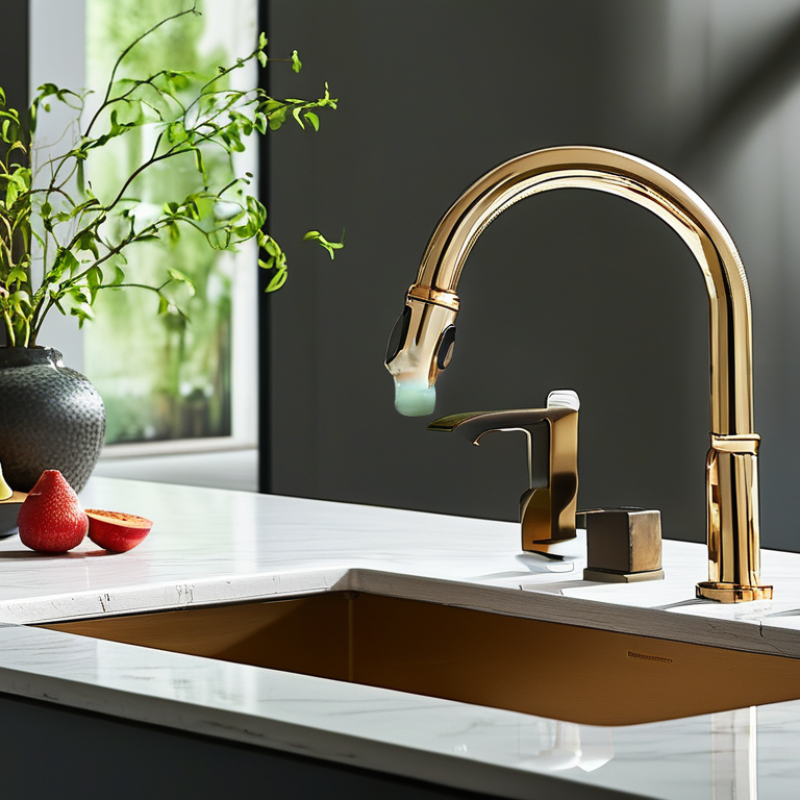
Emerging Materials in Sink and Faucet Design for 2026
The sink and faucet design landscape is evolving rapidly. In 2026, we will see a shift towards innovative materials that enhance both functionality and aesthetics. Sustainable options are becoming increasingly popular. For example, composite materials that blend recycled elements are gaining traction. These materials provide durability while also reducing environmental impact.
Additionally, new metal finishes are emerging. Matte black and brushed gold finishes are becoming staples in modern kitchens and bathrooms. They offer a sleek look that can elevate any space. Homeowners are also exploring unexpected materials like glass and ceramics. These can add a unique touch and create visual interest.
However, the transition to these new materials is not without challenges. Some homeowners may find these options more expensive. Others might struggle with maintenance requirements. Choosing the right material involves careful consideration of both style and practicality. It's important to weigh the advantages and disadvantages before making a decision. The right material can truly transform a space while enhancing user experience.
Innovative Faucet Technologies Revolutionizing User Experience
Innovative faucet technologies are transforming how we interact with our kitchens and bathrooms. Real-time data suggests that
smart faucets, which sync with mobile apps, enhance user experience by offering personalized settings. According to a
2022 report from the National Kitchen & Bath Association, nearly
30% of buyers are now interested in these features. These faucets can control water flow and temperature, promoting
water conservation effectively.
Tips: When selecting a faucet, consider models with
touchless technology. Studies show that touchless faucets reduce water usage by
up to 30%. This feature suits busy households, where convenience matters.
Another trend gaining traction involves voice-activated faucets. A survey from
the Home Improvement Research Institute revealed that such installations grew by 15% in the last year. They integrate
with smart home systems, allowing users hands-free operation. However, some users report
connectivity issues, indicating that technology is evolving but still has
a learning curve.
Tips: Look for faucets with reliable connectivity features. Check reviews to ensure smooth performance.
Investing in well-reviewed models might save frustration later on.
Sustainable Sinks and Faucets: Eco-Friendly Trends for 2026
As we look towards 2026, sustainable sinks and faucets are taking center stage in home design. Eco-friendly materials, such as recycled metals and bio-based plastics, are gaining traction. These materials help reduce environmental impact. Consumers are increasingly aware of the need for sustainability in everyday products.
Smart technology is also influencing this trend. Water-saving fixtures are being developed that track usage and suggest conservation strategies. Additionally, minimalistic designs provide a sleek look while using fewer resources. However, finding a balance between aesthetics and environmental responsibility remains challenging for some designers.
Moreover, the trend towards sustainability is not without flaws. Manufacturers sometimes exaggerate eco-credentials on their products. Buyers must navigate this landscape cautiously. It's essential to research and understand the materials used and their origins. Not all eco-friendly products meet high standards.
Therefore, being informed is crucial in making responsible choices.
Popular Color Palettes Shaping Kitchen and Bathroom Fixtures
Color plays a crucial role in modern kitchen and bathroom design. In 2026, we see a shift towards earthy tones. Warm terracottas and soft sage greens dominate the scene. These colors evoke a sense of calm and natural beauty. They create an inviting atmosphere for cooking and relaxing. A deep navy blue can also add depth to these spaces. It pairs beautifully with brass or matte black fixtures.
Minimalist designs continue to be popular. However, they now incorporate bold accents. Think of a subtle matte finish on fixtures contrasting with vibrant cabinet colors. These combinations keep spaces fresh and modern. Additionally, neutral palettes are evolving. Soft whites and grays remain timeless, but with bolder elements added. A pop of color in the sink, or a patterned backsplash, can enhance the overall aesthetic.
The challenge lies in balancing colors effectively. Too many bold choices can overwhelm the space. It's important to consider the size and lighting of the room. The wrong hue in a small area can make it feel cramped. Reflect on how colors interact with natural light throughout the day. Taking time to visualize options is essential. Color selection in fixtures and furniture isn't just about trends; it’s about personal expression.
2026 Best Sink and Faucet Trends Buyers Should Know
| Trend |
Description |
Color Palette |
Material |
Finish |
| Minimalist Designs |
Sleek and simple silhouettes that prioritize functionality. |
Monochrome shades, white and black accents. |
Stainless steel and porcelain. |
Matte finish. |
| Natural Materials |
Incorporating wood, stone and other organic materials for a warm feeling. |
Earth tones, greens, and browns. |
Reclaimed wood, stone composites. |
Natural finish. |
| Bold Colors |
Vibrant fixtures that stand out as statement pieces. |
Deep blues, emerald greens, and rich reds. |
Ceramic, brass. |
Glossy finish. |
| Smart Technology |
Integrating tech for water conservation and convenience. |
Silver, grey and black. |
Plastic and metal composites. |
Brushed finish. |
| Vintage Revival |
Classic designs that bring a sense of nostalgia. |
Pastel colors, worn-down finishes. |
Copper, cast iron. |
Antique finish. |
Functional Design Features Boosting Sink and Faucet Usability
The evolution of sink and faucet designs is leaning toward enhanced functionality. Recent studies suggest that 78% of consumers now prioritize usability features. This trend highlights a significant shift in buyer preferences, focusing not just on aesthetics but on practical use.
One prominent feature gaining traction is touchless technology. A report by the National Kitchen and Bath Association indicates that touchless faucets can reduce water usage by about 30%. This technology allows users to operate the faucet without physical contact. It’s a fantastic solution for maintaining cleanliness, yet some users express concerns about reliability. Sensors can sometimes fail, leading to frustration.
Another emerging trend is the integration of smart technology. These advanced faucets can adjust water temperature automatically and provide real-time water usage data. According to a 2022 market report, smart faucets are projected to grow in demand by 45% over the next five years. However, users often mention the complexity of installation. Simplifying this process could improve user experience significantly. Increasing usability in sink and faucet designs is not just about trends but also about making daily tasks easier and more sustainable.
FAQS
: Innovative materials like composites with recycled elements are gaining popularity. They enhance durability and reduce environmental impact.
Matte black and brushed gold finishes are now staples. They provide a sleek, modern look for various spaces.
Glass and ceramics are being used more frequently. These materials add a distinct touch and create visual interest.
Some homeowners may find new materials costly. Others may struggle with maintenance requirements related to these options.
Color creates atmospheres. Earthy tones like terracotta and sage green offer calm and natural beauty.
Bold accents are mixed with minimalist designs. Subtle finishes can contrast beautifully with vibrant cabinet colors.
Too many bold colors can overwhelm a room. Size and lighting must be considered for effective color balance.
Visualizing how colors interact with light throughout the day is crucial. Personal expression is essential in selection.
Trends matter, but personal style should guide choices. Reflecting on practical aspects can lead to better decisions.
The right material can transform a space significantly. It enhances both functionality and aesthetic appeal for users.
Conclusion
In 2026, the trends surrounding sinks and faucets emphasize innovation and sustainability, presenting a transformative approach to kitchen and bathroom design. Emerging materials are playing a crucial role in sink and faucet design, enhancing durability and aesthetics, while innovative technologies are revolutionizing the user experience, introducing features like touchless operation and smart controls.
Moreover, eco-friendly trends are gaining traction, with sustainable options becoming more popular as consumers seek to minimize their environmental impact. Alongside these advancements, popular color palettes are influencing the design of fixtures, allowing for greater customization and style. Furthermore, functional design features are enhancing the usability of sinks and faucets, catering to the needs of modern households. Together, these elements reshape the landscape of sink and faucet choices available to buyers, making 2026 a pivotal year for kitchen and bathroom renovations.

 YiGeng