2026 Top Kitchen By Kitchen Trends for Global Buyers?

Time:2026-06-16 Author:Amelia
0%

As we look ahead to 2026, the "Kitchen By Kitchen" trends are set to redefine culinary spaces globally. Homeowners and designers alike are seeking innovative ideas that blend functionality with aesthetics. The market is evolving, and so are the expectations for kitchen design.

Sustainability is a crucial factor. Many buyers now demand eco-friendly materials and energy-efficient appliances. This shift reflects a broader commitment to environmental responsibility. Buyers want kitchens that not only impress but also align with their values.

Additionally, technology is becoming an integral part of the kitchen. Smart appliances are revolutionizing cooking experiences. From voice-activated devices to integrated apps, the future kitchen is more connected than ever. However, the rapid pace of change can be overwhelming. Buyers must navigate trends carefully to create practical yet stylish spaces. Through exploration and reflection, achieving a perfect kitchen becomes a collaborative journey between consumers and design experts.
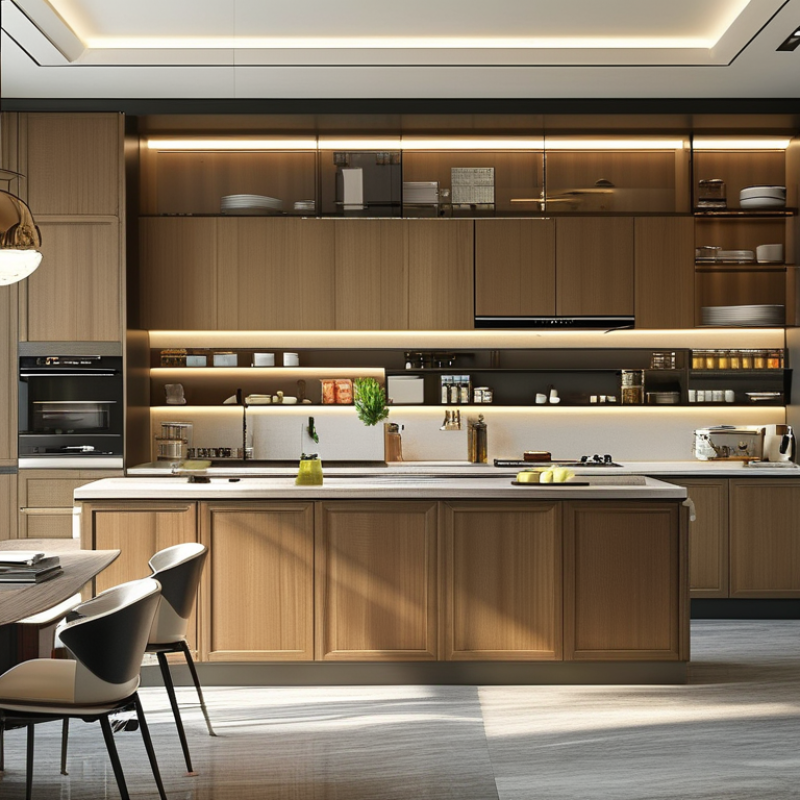
2026 Top Kitchen By Kitchen Trends for Global Buyers?

2026 Kitchen Trends: Embracing Sustainability in Design and Materials

As the kitchen evolves, sustainability stands at the forefront of design. In 2026, global buyers will seek materials that reflect eco-consciousness. Reclaimed wood, bamboo, and recycled metals will dominate the scene. These materials not only enhance aesthetics but also reduce environmental impact. Homeowners want kitchens that tell stories of sustainability.

Color palettes will shift towards earthy tones. Shades of green, terracotta, and deep browns evoke a connection to nature. These colors aren't just trendy; they're a reminder of our responsibility to the planet. However, some argue that preferences can hinder sustainable choices. Choosing a bold color might lead to more frequent renovations.

Innovative technology will support sustainable practices. Smart appliances can reduce energy consumption and monitor usage. Yet, not all tech is user-friendly or accessible. Future designs must address these barriers. Every kitchen ought to balance sustainability with functionality, ensuring that environmental goals do not compromise daily living.

The Influence of Smart Technology on Kitchen Functionality and Efficiency

Smart technology is revolutionizing kitchen functionality. It enhances cooking experiences and streamlines daily tasks. Devices like smart ovens and refrigerators connect seamlessly, allowing for effortless meal preparation. Voice-activated systems improve convenience, enabling users to control appliances hands-free. This innovation resonates particularly well with busy households seeking efficiency.

However, the integration of smart tech brings challenges. Dependence on technology can lead to issues when devices malfunction or software updates occur. Not everyone feels comfortable navigating these advanced systems. Users often struggle with connectivity problems and the learning curve associated with new technologies. There’s a need for reliable support to help users troubleshoot issues and maximize setup.

The energy efficiency of smart appliances deserves attention. Many devices monitor energy consumption, offering insights into usage patterns. This information encourages users to make informed decisions, reducing waste and costs. Yet, some individuals may neglect these features, losing out on potential savings. Balancing high-tech innovations with practical applications remains an essential consideration for future kitchen designs.

Top Color Palettes for Kitchens: Insights from Industry Color Forecasts

As we look towards 2026, the palette choices for kitchens are evolving, reflecting a blend of trends and individual expression. Industry forecasts suggest that warm, earthy tones will dominate. Colors like terracotta, muted green, and soft ochre are expected to bring a sense of comfort and grounding. These hues evoke nature, allowing homeowners to create serene spaces.

In addition, bold colors are making a comeback. Deep blues and rich burgundies can elevate a kitchen, adding character without overwhelming the senses. Mixing warm and bold tones can enhance both aesthetics and functionality. However, achieving balance requires careful thought. Colors that may look appealing in isolation can clash when paired with certain materials or fixtures.

As buyers embrace these trends, the importance of personal touch cannot be overstated. Every kitchen tells a story. Selecting the right palette involves more than current trends; it’s about choosing what resonates personally. Homeowners should reflect on their lifestyles, including family dynamics and activities, to choose colors that will uphold practicality and elegance.

Innovative Layouts: Adapting to Multifunctional Spaces in Modern Kitchens

Modern kitchens are evolving into multifunctional spaces, blending cooking, dining, and socializing. This shift reflects lifestyle changes, with more people spending time at home. Innovative layouts can help adapt to these changes, creating a seamless flow between areas. Open concepts are popular, allowing light to penetrate while fostering interaction.

Incorporating island counters can enhance flexibility. They serve as cooking areas, breakfast bars, or extra storage. They can also act as a central hub for family gatherings. However, it’s important to ensure that the layout doesn’t become cluttered. A well-organized space should allow for movement.

**Tip:** Use vertical storage solutions to maximize space. Hanging pots or installing shelves can free up countertops. Consider multifunctional furniture that can be easily moved or tucked away. Keep the design simple yet functional, avoiding excessive decor that can overwhelm the area. Reflect on your unique needs and adjust your kitchen accordingly.

The Rise of Customization: How Personalization is Shaping Kitchen Design

Personalization is becoming a key trend in kitchen design. As homeowners seek unique spaces, customization has gained traction. From cabinet finishes to countertops, choices are endless. This shift reflects a desire for individuality. Many buyers want a kitchen that tells their story. They are no longer satisfied with generic designs.

Designers now lean towards flexible layouts. Open spaces allow for creativity. Some homeowners prefer areas for socializing, while others opt for functional zones. Innovative storage solutions are in high demand. However, achieving the perfect balance can be challenging. It requires thoughtful planning and a clear vision.

Sustainability adds another layer to personalization. Many consumers seek eco-friendly materials. They want their kitchens to reflect their values. Yet, selecting sustainable options can often prove complicated. Information is abundant, but making informed choices requires expertise. It’s essential to take time to reflect on what truly resonates. This journey of personalization is ever-evolving, encouraging homeowners to invest in spaces that feel authentic.

FAQS

: What materials are trending for sustainable kitchens in 2026?

: Eco-friendly options like reclaimed wood, bamboo, and recycled metals are becoming popular.

How do color palettes affect kitchen design?

Earthy tones like terracotta and muted green create a connection to nature and evoke comfort.

Why is it important to balance aesthetics and functionality?

A beautiful kitchen should also meet practical needs without compromising sustainability goals.

What role does technology play in kitchen sustainability?

Smart appliances help reduce energy use and monitor consumption, promoting eco-friendly practices.

How can I personalize my kitchen color choice?

Consider your lifestyle and family activities when selecting colors that reflect personal preferences.

What layout features enhance a multifunctional kitchen?

Open concepts and island counters create a seamless flow for cooking, dining, and socializing.

How can I avoid a cluttered kitchen layout?

Utilize vertical storage such as shelves and hanging pots to keep counters free and organized.

What are the challenges of bold color choices in kitchens?

Bold colors may clash with materials or fixtures; balance is crucial for cohesion.

How can I maintain a practical kitchen design?

Opt for simple, multifunctional furniture and avoid excessive decor to keep spaces functional.

What should I reflect on when designing my kitchen?

Think about your unique needs to tailor the space for functionality and personal style.

Conclusion

The article "2026 Top Kitchen By Kitchen Trends for Global Buyers" explores the evolving landscape of kitchen design, highlighting key trends shaping the future. A significant focus is on sustainability, with a growing emphasis on eco-friendly materials and designs that minimize environmental impact. Smart technology is also revolutionizing kitchen functionality, enhancing efficiency through innovative appliances and integrated systems.

Color palettes are evolving, drawing insights from industry forecasts to create harmonious and trendy spaces. Additionally, the need for multifunctional layouts is rising, as kitchens adapt to serve diverse purposes in modern homes. Personalization and customization are increasingly influencing kitchen design, allowing homeowners to create unique spaces that reflect their individual tastes. Overall, these trends underscore a transformative shift in the Kitchen By Kitchen experience, catering to the demands of contemporary lifestyles.


Amelia

Amelia

Amelia is a seasoned marketing professional with a wealth of expertise in our company’s core offerings. With an unwavering passion for driving growth and innovation, she plays a pivotal role in shaping our marketing strategies and enhancing brand visibility. A key aspect of her responsibilities......