Choosing the right kitchen sink is crucial for functionality and style. Your kitchen sink and the surrounding area should reflect your needs and preferences. It’s where meal preparation happens, and clean-up takes place. The right choice can enhance your kitchen experience.
When selecting a sink, consider materials, sizes, and designs. Stainless steel sinks are popular for their durability. However, porcelain sinks add a classic touch. Demanding lifestyles require practical solutions. Deep sinks may suit avid cooks, while smaller options fit compact spaces.
Think about your kitchen’s overall look. A rustic farmhouse sink may not blend well in a modern kitchen. Remember that a perfect choice doesn't exist; preferences will vary. Reflect on your cooking habits and aesthetics before finalizing your decision. Ultimately, a kitchen sink and its functionality should serve you well for years to come.
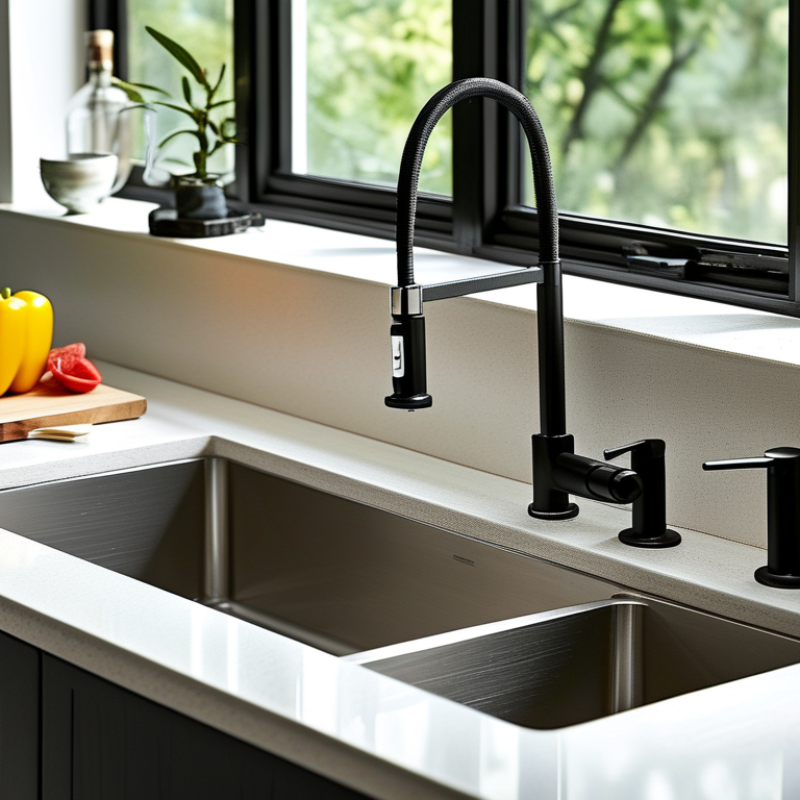
When choosing a kitchen sink, understanding the types available is essential. There are various designs to consider. Top-mount sinks sit above the countertop, making installation easy. Undermount sinks create a seamless look but require more installation effort. An apron sink, often referred to as farmhouses, offers a classic aesthetic but demands precise measurements.
Materials also play a vital role. Stainless steel is durable and easy to clean. However, it can scratch over time. Porcelain sinks are elegant but may chip if mishandled. Composite sinks combine materials for more balance. Each type has its strengths and weaknesses, making personal preference important.
Consider your cooking habits. If you often wash large pots, a deeper sink could be ideal. Furthermore, it's worth noting that size matters. A too-small sink can lead to frustration during meal prep. Reflect on your kitchen layout as well. A well-chosen sink enhances functionality and complements your space.
Choosing the right material for your kitchen sink is crucial. Some materials resist stains better than others. Stainless steel is a common choice due to its durability and modern look. It can withstand heavy use and is easy to clean. However, it can scratch and dent over time. This creates a need for regular maintenance.
On the other hand, fireclay and porcelain sinks offer a different aesthetic. They come in various colors and styles. However, they are more prone to chipping and may require extra care. Think about how often you cook and entertain. Your lifestyle will influence your choice.
Granite composite is another option. It combines durability with elegance. This material is resistant to scratches and heat. However, its weight can be an issue during installation. Consider your own skills and resources. Weigh the pros and cons of each material carefully. Make a decision that aligns with your home's style and your daily needs.
| Material | Durability Rating | Style Options | Maintenance Level | Approximate Cost ($) |
|---|---|---|---|---|
| Stainless Steel | High | Modern, Sleek | Low | 200 - 700 |
| Porcelain | Medium | Classic, Vintage | Medium | 300 - 800 |
| Composite | High | Varied | Low | 250 - 600 |
| Cast Iron | Very High | Traditional | High | 400 - 1200 |
| Granite | High | Luxurious | Medium | 600 - 1500 |
When choosing a kitchen sink, size is crucial. Many homeowners underestimate this aspect. According to the National Kitchen and Bath Association (NKBA), 59% of kitchen remodeling projects encounter issues due to incorrect measurements. Before selecting a sink, measure your countertop's space accurately. Use a tape measure and assess the width, depth, and height.
Consider standard sink sizes. A single bowl is often 22 inches by 30 inches. Double bowls can be 33 inches wide. These measurements ensure proper fit and functionality. Make sure to account for the cabinet's space as well. Many cabinets only accommodate sinks up to 36 inches wide.
Think about the workflow in your kitchen. An oversized sink may look appealing but could disrupt your cooking space. Additionally, a smaller sink may limit your washing capacity. Finding the right balance is key. Always measure twice and choose carefully. This process may require patience, but it will lead to better long-term satisfaction with your kitchen.
Choosing the right kitchen sink involves understanding different installation methods. Drop-in sinks are user-friendly. They are easy to install and fit any countertop. This type has a lip that rests on the counter. It’s a great choice for DIY enthusiasts. However, they can be harder to clean around the edges.
Undermount sinks offer a sleek and modern look. They are installed beneath the countertop, creating a seamless appearance. This option makes cleaning easier since crumbs and spills can be wiped straight into the sink. Nevertheless, installation requires professional help. It also demands sturdy countertops since the weight of the sink will bear on them.
Farmhouse sinks have gained popularity for their charming aesthetic. These sinks extend beyond the cabinetry, creating a rustic vibe. They offer deep basins, making them ideal for washing large pots. Still, their size might limit your cabinet options. Make sure your kitchen layout can accommodate this style. Each installation method has its pros and cons, and personal preference will play a crucial role in your choice.
Choosing a kitchen sink is not merely about functionality; it also involves style and finish. The sink’s material and color can greatly impact your kitchen's overall aesthetic. According to recent market research, over 75% of homeowners prioritize sink design when renovating their kitchens. This statistic highlights the need to align the sink with the existing kitchen theme.
Stainless steel remains a popular choice due to its sleekness and durability, fitting well in modern and industrial designs. However, composite sinks can offer a broader color palette. These materials can complement a farmhouse or rustic kitchen. Experts note that colors should reflect the cabinetry and surrounding decor. Some designers recommend darker finishes for a dramatic effect in lighter kitchens, while others suggest lighter shades for a subtle contrast in darker spaces.
Choosing the right finish can be tricky. Matte finishes can show water spots more than glossy ones, prompting some buyers to rethink their choice. Similarly, finishes that lack scratch resistance may require more maintenance. A sink is a long-term investment, requiring careful consideration of style, durability, and upkeep. Balancing these factors against personal taste can lead to a more satisfying choice in the end.
: There are top-mount, undermount, and apron sinks. Each design affects installation ease and aesthetics differently.
A top-mount sink sits above the countertop, making it easy to install and maintain.
An undermount sink creates a seamless look between the sink and countertop but requires careful installation.
An apron sink, often called a farmhouse sink, offers a classic look and needs precise measurements for fitting.
Stainless steel, porcelain, and composite materials are popular choices, each with distinct advantages and disadvantages.
Yes, stainless steel is durable and easy to clean but may scratch over time. Regular maintenance is necessary.
If you wash large pots frequently, a deeper sink can enhance practicality and ease during meal preparation.
A too-small sink can lead to frustration, especially during meal prep. Choosing the right size enhances functionality.
A well-selected sink complements your kitchen layout and improves overall functionality. Consider both style and practical use.
Consider durability, ease of cleaning, aesthetics, and your cooking lifestyle before making a decision.
When choosing the right kitchen sink for your home, it is essential to understand the various types available, including their functionalities and aesthetic appeal. The comprehensive overview of kitchen sink types highlights how each design caters to different needs, from efficient cleaning to enhancing kitchen decor. Furthermore, evaluating materials is crucial; selecting a sink that balances durability with style can significantly impact the overall longevity and visual appeal of your kitchen.
Size matters when installing a kitchen sink and requires careful measurement of your available space to ensure a perfect fit. Additionally, considering installation methods such as drop-in, undermount, and farmhouse options can influence both practicality and design. Ultimately, aligning the style and finish of your kitchen sink with your overall kitchen design theme will create a cohesive and inviting space, making your culinary area both functional and beautiful.

YiGeng