Why Is My Faucet In The Sink Leaking And How To Fix It?

Time:2026-09-01 Author:Liam
0%

A leaking faucet in the sink can be a frustrating issue. It may seem like a minor problem, but it can lead to bigger complications over time. Understanding why your faucet in the sink is leaking is crucial. This knowledge empowers you to address the issue effectively.

Leaks often occur due to worn-out washers or damaged O-rings. In some cases, mineral buildup can also be the culprit. Identifying the source of the leak requires close inspection. You might notice water pooling beneath the sink, which can damage the surrounding area. It’s essential to act quickly.

Fixing a faucet in the sink is not always simple. DIY solutions are available, but they may not always work. Sometimes, professional help is necessary for a complete fix. Reflecting on the importance of regular maintenance can help prevent leaks in the future. A few preventive measures can save you time and money later.
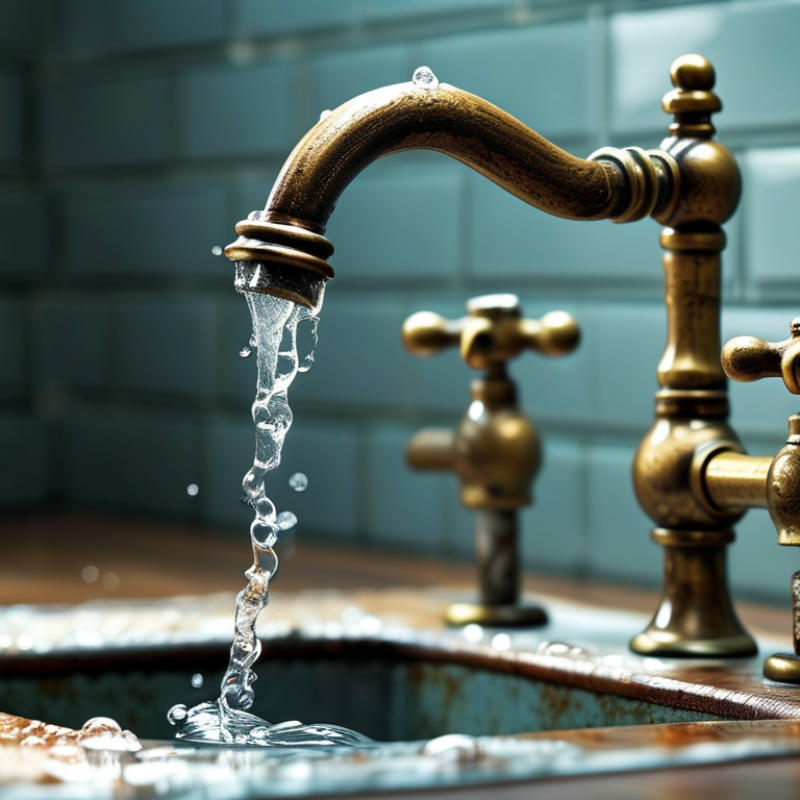
Why Is My Faucet In The Sink Leaking And How To Fix It?

Common Causes of Faucet Leaks in Sinks

Faucet leaks in sinks can be frustrating and wasteful. Understanding common causes can help you identify the problem quickly. One frequent issue is a worn-out washer. Over time, washers can deteriorate due to constant friction. When this happens, water may trickle down from the faucet. Another common culprit is a damaged O-ring, typically found in cartridge faucets. If the O-ring wears down, it can lead to leaks around the handle.

Corroded valve seats also contribute to faucet leaks. These components help seal the faucet and can corrode due to mineral buildup. Regular maintenance can prevent corrosion. However, many homeowners overlook this aspect until water begins to drip. Lastly, improper installation can lead to leaks, especially with newly fitted faucets. An uneven alignment may not be immediately visible. This could create gaps, allowing water to escape.

Being aware of these issues can save time and resources. When faced with leaks, consider if you have experienced any of these problems. Small actions can make a big difference, but sometimes, it’s necessary to seek professional help. Don’t ignore persistent leaks; they could lead to larger plumbing issues over time.

Identifying the Type of Faucet You Have

Identifying the type of faucet you have is the first step in fixing a leak. Faucets generally fall into three categories: compression, cartridge, and ball faucets. Each type has unique mechanisms and typical issues, making it crucial to know the differences. According to a 2021 plumbing industry report, about 15% of household leaks are attributed to faucet issues.

Compression faucets usually have two handles. They work by tightening rubber washers to stop the water flow. If you notice dripping, the washers may need replacement. Cartridge faucets, often single-handled, use a cartridge to control the flow. These can leak if the cartridge wears out or becomes damaged. Finally, ball faucets use a rotating sphere to regulate water. Issues here often stem from worn-out seals.

Fixing a faucet leak can often be a simple task. Familiarize yourself with your faucet type to save time. Look for common signs like water pooling around the base. If you must replace parts, make sure to choose compatible components.

Inspect your faucet regularly to prevent leaks. A small drip might seem harmless, but it can waste gallons of water. According to the EPA, household leaks can waste over 1 trillion gallons of water each year in the U.S. Stay proactive. Knowing your faucet type effectively helps you take charge of repairs.

Step-by-Step Guide to Fixing a Leaking Faucet

A leaking faucet can be a frustrating issue. It not only wastes water but can also increase your utility bill. Identifying the cause of the leak is the first step to fixing it. Common causes include worn-out washers, loose parts, or damaged cartridges. You can often hear the drip or see water pooling in your sink.

Once you identify the problem, turn off the water supply. This prevents further leakage while you work. Gather the necessary tools, such as a wrench, screwdriver, and replacement parts. If you notice the washer is worn or the cartridge is damaged, replace it. You’ll usually find these parts at local hardware stores.

After replacing the faulty components, reassemble the faucet. Remember to tighten not too harshly; over-tightening can cause new problems. Turn the water supply back on and check for leaks. If everything is dry, you have successfully fixed the faucet. Reflecting on this process may reveal the importance of regular maintenance. Noticing small drips early can save you from larger issues later.

Why Is My Faucet In The Sink Leaking And How To Fix It? - Step-by-Step Guide to Fixing a Leaking Faucet

Issue Possible Causes Tools Needed Fixing Steps
Dripping Faucet Worn washer, faulty O-ring Wrench, screwdriver, replacement washers 1. Turn off the water supply. 2. Remove the handle. 3. Replace the washer or O-ring. 4. Reassemble the faucet.
Leaking Base Loose connections, damaged gasket Wrench, plumber's tape, replacement gasket 1. Tighten the connections. 2. Inspect and replace the gasket if necessary.
Water Pressure Issues High water pressure, sediment buildup Pressure gauge, vinegar, cleaning tools 1. Check water pressure levels. 2. Clean aerator with vinegar.
Spraying Faucet Cracked spout, loose aerator Replacement spout, wrench 1. Identify the damaged part. 2. Replace the spout or tighten the aerator.

Tools and Materials Needed for Faucet Repair

When tackling a leaky faucet, having the right tools and materials is crucial. Start by gathering the basics. A pair of adjustable pliers will help you grip tight fittings. You'll also need a flat-head and Phillips screwdriver for removing screws. A basin wrench can be very useful for hard-to-reach areas. Don’t forget a bucket or a towel to catch any dripping water.

Next, focus on the parts needed for repairs. Replacement washers and O-rings are essential, as they often wear out over time. Make sure to check the cartridge, as it might need replacement too. A waterproof grease can facilitate smoother operation. As you embark on this repair journey, remember that leaks usually indicate wear and tear. If you find that parts are degraded, it might be wiser to replace the whole faucet instead. It’s a bit of a gamble to patch things up temporarily. Always consider long-term solutions, as investing in quality parts could save you hassle down the line.

Preventative Maintenance Tips for Faucet Longevity

Regular maintenance is crucial for the longevity of your faucet. A small leak can indicate larger issues if not addressed. Inspect your faucet for wear and tear. Look for rust or mineral build-up around the base. These signs often lead to leaks over time. When you catch these problems early, repairs are simpler and cheaper.

Cleaning your faucet regularly can prevent corrosion. Use gentle cleaners that won’t damage the finish. A soft cloth can keep the surface shiny. Check washers and O-rings for cracks or hardening. Replacing these parts is usually an easy fix and can avoid serious leaks.

Make it a habit to check your faucet components frequently. This task can be done alongside other household chores. Keep a record of maintenance performed. If a leak occurs, you will know where to start troubleshooting. Being aware of your faucet’s condition can save money in the long run. Ultimately, this practice goes a long way in extending the life of your plumbing fixtures.

Faucet Leak Causes and Repair Frequency

FAQS

: What causes faucet leaks in sinks?

: Common causes include worn-out washers, damaged O-rings, corroded valve seats, and improper installation.

How does a worn-out washer affect a faucet?

A worn washer can lead to water trickling down from the faucet due to constant friction.

What is a typical issue with cartridge faucets?

Cartridge faucets may leak if the O-ring or cartridge is worn or damaged.

How can corroded valve seats cause problems?

Corroded valve seats lose their sealing ability, often due to mineral buildup from neglect.

Why does improper installation lead to leaks?

Uneven alignment during installation may create invisible gaps, allowing water to escape.

What should I do if my faucet is leaking?

Inspect for common issues first. If persistent, consider seeking professional assistance.

How can I prevent faucet leaks?

Regular maintenance and inspections can identify problems before they escalate into leaks.

Why is it important to identify my faucet type?

Different faucets have unique parts and issues, which affects repair strategies and part replacements.

What signs indicate a potential leak?

Look for pooling water around the faucet base or persistent dripping sounds.

How significant are household leaks in terms of water waste?

They can waste over 1 trillion gallons of water annually, highlighting the need for proactive measures.

Conclusion

A leaking faucet in the sink can be a frustrating issue, often stemming from common causes such as worn-out washers, corroded parts, or loose connections. To effectively address this problem, it’s essential to first identify the type of faucet you have, as different designs require different repair techniques. A step-by-step guide to fixing a leaking faucet typically includes disassembling the faucet, replacing faulty components, and reassembling it properly to ensure a tight seal.

Before starting the repair, it's important to gather the necessary tools and materials, such as screwdrivers, pliers, and replacement parts specific to your faucet type. Additionally, preventative maintenance tips can enhance the longevity of your faucet in the sink by encouraging regular checks and cleaning. By following these guidelines, you can not only fix the leak but also maintain the overall functionality of your faucet for years to come.


Liam

Liam

Liam is a dedicated marketing professional with a profound expertise in the industry, where he excels at highlighting the unique advantages of our core products. With a keen understanding of market trends and consumer needs, Liam frequently updates our company’s professional blog, providing......