Top Tips for Choosing the Best Kitchen Faucet for Your Home?

Time:2026-07-03 Author:Sophia
0%

Choosing the right kitchen faucet is crucial for any home. A well-selected kitchen faucet enhances functionality and can elevate your kitchen's design. According to a recent survey by the National Kitchen & Bath Association, 70% of homeowners prioritize faucets when renovating kitchen spaces. This highlights their importance in home improvement.

The kitchen faucet serves multiple roles. It is the primary interface for cooking and cleaning. Innovations in technology also play a significant role. Touchless faucets, for example, reduce water wastage. They offer hands-free operation that can make daily tasks easier. The average American family uses a faucet over 20 times a day, making it an essential fixture in any kitchen.

It’s important to reflect on your needs before making a decision. Not all kitchens are the same, and not every faucet will suit your lifestyle. Researching features, finishes, and styles will help. Many homeowners overlook maintenance, which affects long-term satisfaction. Understanding how a kitchen faucet fits your unique space is key to a successful purchase.
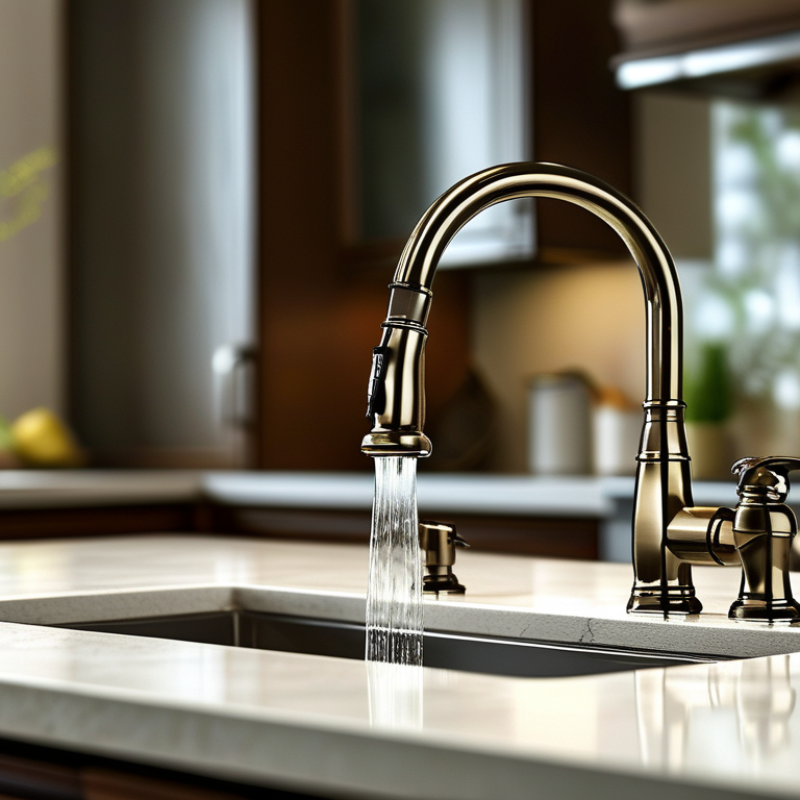
Top Tips for Choosing the Best Kitchen Faucet for Your Home?

Understanding Different Types of Kitchen Faucets and Their Features

When selecting a kitchen faucet, it's essential to know the different types available. There are single-handle faucets, which allow easy temperature control with one hand. They are versatile and great for small kitchens. A pull-down faucet offers flexibility, making it easier to clean dishes. The spray feature is a practical addition, too.

Another option is the pull-out faucet, similar but with a different mechanism. It suits those who prefer a straightforward design and functionality. Touchless faucets are becoming more popular. They use motion sensors, allowing hands-free operation. This feature is beneficial when your hands are dirty.

Consider materials and finishes as well. Stainless steel is durable and easy to maintain. However, it can show water spots. Matte black options look modern but might require more upkeep to stay clean. Assess your kitchen style and choose a faucet that complements it. Sometimes, the best option can be overwhelming. Take your time and reflect on what works for you.

Evaluating Material and Finish Options for Durability and Style

When selecting a kitchen faucet, the material and finish you choose can greatly impact both durability and style. Stainless steel is a popular option due to its resistance to rust and stains. It maintains a sleek look, making it well-suited for modern kitchens. You might also consider brass, which is often chosen for its classic appeal. It can develop a rich patina over time, adding character. However, be mindful that some finishes require more maintenance. For instance, polished chrome might show fingerprints, while matte finishes might be harder to clean.

Different finishes affect both aesthetics and practical usage. A matte black finish can create a striking contrast against lighter countertops, yet it may require frequent upkeep to avoid water spots. On the other hand, brushed finishes, which can hide smudges, might offer a better balance of style and ease of maintenance. Reflect on how these aspects fit into your daily life. Don't forget to think about the overall design of your kitchen. A faucet that clashes with your cabinetry or sink can detract from the space’s harmony.

Choosing the perfect faucet isn't just about looks. You must consider how each material will stand up to daily wear and tear. Each choice has its pros and cons. Take the time to weigh these elements carefully, as they will influence not only the look of your kitchen but also your satisfaction with the faucet over time.

Identifying Key Functional Features: Pull-Down, Pull-Out, and More

When selecting a kitchen faucet, key functional features can significantly enhance your experience. Pull-down and pull-out faucets are leading options today, largely due to their versatility. Data from home improvement reports reveal that nearly 60% of homeowners prefer pull-down designs for their ease of use. These faucets often feature a spray head that easily retracts, making it ideal for both washing dishes and rinsing produce. Their flexible hoses typically extend between 20 and 30 inches, which caters to various kitchen sizes.

Conversely, pull-out faucets offer a different approach. They have a more compact design, suitable for smaller kitchens. Industry analysis shows that these designs are favored for their simplicity and effectiveness in tight spaces. However, users might find that the shorter range can be a drawback for larger sinks. When selecting between these types, consider your daily tasks. A functional faucet should never compromise usability, no matter how stylish it looks.

Handle types also matter. Single-handle faucets provide easier control over water temperature and flow with just one hand. Reports suggest that around 75% of homeowners appreciate this feature for its efficiency. A mixed approach might suit different users, which reflects how personal preferences play a crucial role in choice. An informed decision can lead to better functionality and satisfaction in your kitchen.

Considering Installation Requirements and Compatibility with Your Sink

When selecting a kitchen faucet, understanding the installation requirements is crucial. Measure your sink carefully. Check the number of holes available. Some faucets require one hole, while others need three, or even more. Compatibility is key. A mismatch can lead to complications during installation.

Consider the type of faucet you want. Pull-down sprayers require adequate space above the sink. Wall-mounted faucets need sturdy plumbing support. Don’t overlook your water supply lines, either. Ensure they fit perfectly with your chosen faucet. It’s easy to overlook these details, but they can affect functionality.

In the end, think about the style and finish that suits your kitchen. Sleek designs may require different care than more rustic options. Functionality should never be sacrificed for aesthetics. Choosing the right faucet involves balance and reflection. Remember that each choice has implications, requiring your careful consideration.

Assessing Budget and Warranty Options for Long-Term Satisfaction

When choosing a kitchen faucet, budget and warranty options play a crucial role. A well-defined budget helps narrow down choices and ensures you do not overspend. Kitchen faucets can range from budget-friendly to high-end models. Determine what you can afford without compromising quality.

Warranties are equally important. A reliable warranty can provide peace of mind. Look for faucets that offer at least a five-year warranty for parts and finish. Some manufacturers even provide lifetime warranties. This indicates confidence in their product.

Consider your usage scenarios. If your kitchen sees heavy use, invest in a durable model. Cheaper faucets may save money upfront but could require early replacement. Reflect on how long you plan to stay in your home. If it's a long-term investment, spending more initially often saves money in the long run.

FAQS

: What are the main types of kitchen faucets?

: There are single-handle, pull-down, pull-out, and touchless faucets. Each has unique features and benefits.

What advantage does a pull-down faucet offer?

A pull-down faucet provides flexibility and ease for cleaning dishes. It often includes a spray feature.

How do I ensure compatibility with my sink?

Measure your sink and check the number of available holes. Compatibility is essential to avoid installation issues.

What materials are best for kitchen faucets?

Stainless steel is durable but shows water spots. Matte black looks modern but requires more maintenance.

What should I consider regarding faucet installation?

Check the space above the sink and whether plumbing supports the faucet type. Don’t forget about supply lines.

How can I choose a faucet that suits my kitchen style?

Reflect on your kitchen's design and select a style and finish that complements it. Balance aesthetics with functionality.

Do touchless faucets have any unique benefits?

Yes, touchless faucets allow hands-free operation, which is helpful when your hands are dirty. It's a convenient feature.

What are the common mistakes when selecting a faucet?

Many overlook installation requirements and compatibility. Details like water supply lines can easily be ignored.

How often should I consider maintaining different faucet finishes?

Different finishes require varying levels of upkeep. Matte finishes may need cleaning more often to prevent staining.

Is it better to prioritize functionality or aesthetics when choosing a faucet?

Functionality should not be sacrificed for looks. Each choice impacts overall kitchen efficiency and ease of use.

Conclusion

When choosing the best kitchen faucet for your home, it's important to understand the various types available and their unique features. Different styles, such as pull-down and pull-out faucets, offer enhanced functionality for everyday tasks. Evaluating the materials and finishes is crucial for ensuring both durability and aesthetic appeal, allowing you to select a faucet that complements your kitchen design.

Additionally, you should consider installation requirements to ensure compatibility with your existing sink. Taking your budget into account, alongside warranty options, will contribute to long-term satisfaction with your purchase. By carefully assessing these factors, you can find a kitchen faucet that perfectly meets your needs and enhances your cooking space.


Sophia

Sophia

Sophia is a dedicated marketing professional with an exceptional depth of knowledge about her company's products and services. With a keen understanding of market trends and customer needs, she crafts insightful blog posts that not only inform but also engage readers, enriching the company’s online......