As we approach 2026, the selection of the right Sink Kitchen Sink becomes crucial for homeowners and designers alike. Industry expert John Richards, a renowned kitchen designer, states, "The sink is the heart of the kitchen, influencing both style and function." This statement highlights the importance of choosing the best options available on the market.
Today’s global buyers face a myriad of choices in terms of materials, designs, and functionalities. Options range from stainless steel to ceramics, and even advanced composite materials. The decision is not merely aesthetic; it impacts daily kitchen use and efficiency. Many people overlook how a well-chosen sink integrates with other kitchen elements, affecting workflow and usability.
Yet, there are challenges. With so many products to choose from, determining what works best for your needs can be overwhelming. The Sink Kitchen Sink market is constantly evolving, offering new innovations and designs that can improve kitchen experiences. Reflecting on personal preferences and family needs is essential to avoid the pitfalls of regrettable choices. As we explore the top options for 2026, understanding these dynamics is vital for making informed decisions.
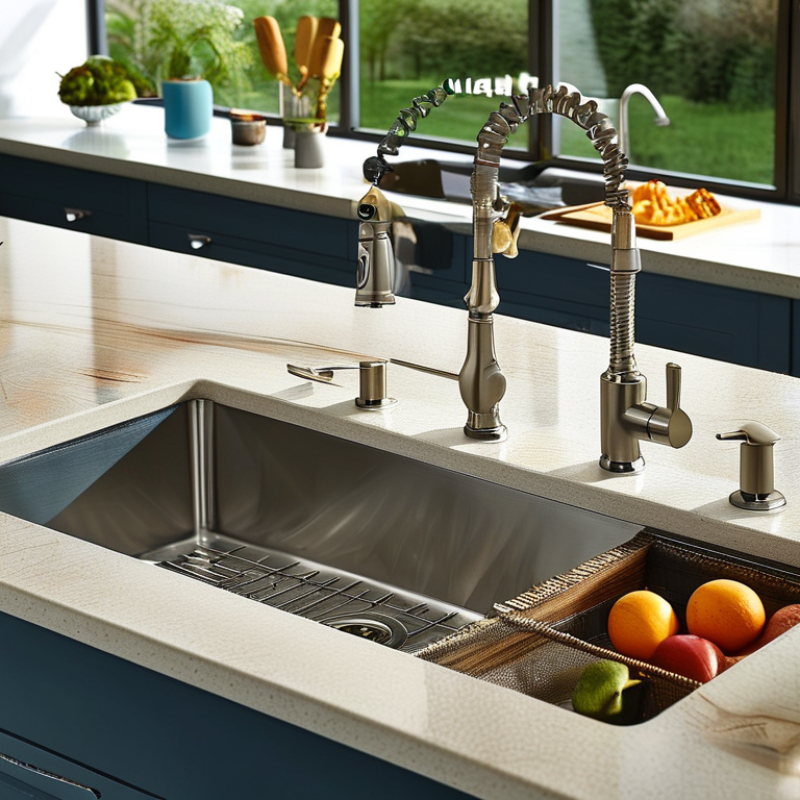
The kitchen sink is evolving rapidly. In 2026, buyers will seek unique designs and functionality. A recent report by the Global Kitchen Design Association predicts a 15% increase in demand for innovative sink solutions.
Sustainable materials are trending. Recycled metals and eco-friendly finishes will dominate. This trend aligns with the global push towards sustainable living. Research shows that 63% of consumers prioritize eco-friendly products in home renovation. Designers are focusing on these materials to attract environmentally conscious buyers.
Smart sinks are also on the rise. Many feature integrated technology for convenient use. These include built-in water purification and touchless controls. A survey found that 58% of homeowners show interest in smart kitchen appliances. This shift reflects a desire for convenience and efficiency. However, the integration of technology may lead to complexities in installation and maintenance. These factors need consideration as designs advance.
Kitchen sinks are essential for every kitchen, and choices are expanding. In 2026, materials like stainless steel and composite are driving sales significantly. A report from the Home Improvement Research Institute indicates that stainless steel holds over 40% of the global market share due to its durability and resistance to corrosion. Likewise, composite sinks, which integrate materials like granite and acrylic, are gaining traction. Their versatility and aesthetic appeal make them ideal for modern kitchens.
When choosing a sink, consider the material's maintenance. Stainless steel is easy to clean but can scratch. Composite options may resist stains but can be sensitive to heat. Furthermore, it’s crucial to consider your cooking habits. Frequent cooks may prefer deeper and more spacious sinks. This need for practicality signifies a shift in consumer preferences towards functionality over mere design.
**Tip:** Always check the gauge of stainless steel before purchase. A lower gauge indicates thicker steel, which enhances durability. Don't forget to explore the color options for composite sinks. They can offer a unique flair to your kitchen. Take your time to reflect on your choice; the wrong sink can lead to regrets later on.
In recent years, farmhouse and undermount sinks have gained immense popularity among consumers. Their design and functionality appeal to many homeowners.
Farmhouse sinks, with their large basins, offer ample space for washing dishes and food preparation. They create a rustic charm, adding character to any kitchen. However, they require careful planning in terms of cabinetry and installation.
Undermount sinks have also captured the interest of buyers. They provide a sleek, modern look, making countertops appear more spacious. Cleaning becomes easier as there are no edges to trap debris. Yet, this style can be challenging during installation. Homeowners often underestimate the need for precise measurements and support.
As consumer preferences evolve, both sink styles reflect a blend of aesthetics and practicality. While they bring beauty to kitchens, potential buyers must weigh their choices wisely. Understanding individual needs is crucial.
Consideration of lifestyle, space, and maintenance can guide the decision-making process. Each style has strengths and weaknesses, inviting homeowners to reflect on what truly suits their kitchen environment.
The kitchen sink market is evolving dramatically as we approach 2026. Innovative features are becoming central to buyer decisions. Reports indicate that about 65% of consumers prioritize functionality. Ergonomic designs are now standard, enhancing ease of use. These enhancements cater to busy lifestyles, making kitchen tasks more efficient.
Smart technology is another key trend. Integrated sensors and touchless faucets are gaining popularity. Research indicates that approximately 55% of buyers are interested in IoT-enabled sinks. These products simplify daily chores while improving hygiene. However, adapting to these innovations can be challenging for some users. Maintaining such advanced features might require specific skills or knowledge.
Sustainability is also shaping consumer choices. The demand for eco-friendly materials is rising sharply. Around 70% of potential buyers are seeking sinks made from recycled or sustainable resources. This shift poses challenges regarding manufacturing processes and cost. Balancing innovation and sustainability is an ongoing industry debate. Buyers are keen for practical solutions, yet the industry must ensure reliability and durability.
| Sink Type | Material | Size (inches) | Installation Type | Innovative Features | Estimated Price ($) |
|---|---|---|---|---|---|
| Single Bowl | Stainless Steel | 30 x 18 | Undermount | Noise reduction technology | 150 |
| Double Bowl | Composite Granite | 32 x 20 | Drop-in | Scratch and stain resistance | 250 |
| Farmhouse | Ceramic | 36 x 24 | Farmhouse | Large capacity for pots and pans | 400 |
| Apron Front | Cast Iron | 30 x 20 | Apron Front | High durability and heat resistance | 450 |
| Workstation | Sink Material | 32 x 18 | Integrated | Multi-functional with accessories | 600 |
| Corner Sink | Stainless Steel | 30 x 30 | Corner Installation | Space-saving design | 200 |
| Vessel Sink | Glass | 18 x 18 | Above Counter | Stylish and unique design | 300 |
| Integrated Sink | Solid Surface | 36 x 20 | Integrated | Seamless integration with countertops | 700 |
| Industrial Sink | Stainless Steel | 36 x 22 | Commercial | High volume and durable | 800 |
| Belfast Sink | Fireclay | 30 x 18 | Farmhouse | Classic style with durability | 500 |
The global kitchen sink industry is projected to experience significant growth in the coming years. According to a recent market report, the industry is expected to expand at a compound annual growth rate (CAGR) of approximately 5% from 2026 onward. Key factors driving this growth include the rising demand for modern kitchen designs and increasing consumer awareness of sustainable materials.
Buyers are increasingly looking for diverse materials and styles. Stainless steel remains popular due to its durability and resistance to corrosion. However, there is a noticeable shift toward materials like granite composite, which combines aesthetics with functionality. This trend reflects a growing interest in innovative designs that enhance kitchen space.
Tip: When selecting a sink, consider the material's longevity and maintenance requirements. A more durable option can save you time and resources in the long run.
The market consists of various players focused on innovation. These companies strive to incorporate features that enhance the user experience. Touchless faucets and built-in accessories are becoming standard. However, the industry must address challenges like supply chain disruptions and fluctuating raw material costs.
Tip: Evaluate both style and practicality. A beautiful sink should also suit your daily cooking needs. Remember, the perfect balance is essential for long-term satisfaction.
: Unique designs, smart features, and sustainable materials will dominate the market. Buyers seek functionality and aesthetics.
Consumers prioritize eco-friendly products. This trend connects to the global shift towards sustainable living and responsible choices.
Smart sinks feature technology like touchless controls and built-in purification. These innovations simplify tasks but may complicate maintenance.
Farmhouse sinks offer large basins and rustic charm. They provide ample space for washing dishes but require careful installation planning.
Undermount sinks create a sleek look and easier cleaning. However, they need precise measurements during installation, which can be challenging.
Homeowners look for blends of aesthetics and practicality. Understanding personal needs helps guide decisions about sink styles and features.
Integrating advanced technology can be tricky. Some users may struggle with maintenance, requiring specific skills to handle new features.
The demand for sustainable materials increases costs and manufacturing challenges. The industry must balance innovation with reliability and durability.
Consider lifestyle, space, and maintenance needs. Each sink style has strengths and weaknesses requiring thoughtful evaluation.
Yes, ergonomic features enhance ease of use, making kitchen tasks more efficient. Busy lifestyles drive the need for practical designs.
The article "Top 10 Kitchen Sink Options for Global Buyers in 2026" explores the emerging trends and innovations shaping the kitchen sink market. It highlights key design preferences expected to dominate in 2026, including the popularity of farmhouse and undermount sinks, driven by consumer demands for functionality and aesthetic appeal. The discussion on materials emphasizes the significance of stainless steel and composite options, which are becoming increasingly sought after for their durability and versatility.
Furthermore, the piece outlines innovative features that are expected to reshape the kitchen sink experience, such as integrated accessories and smart technology. It also examines projected market growth, identifying critical players and trends that could influence buyer decisions. Overall, the article provides an insightful overview for global buyers looking to navigate the evolving landscape of sink kitchen options in the near future.

YiGeng