In today's world, the Kitchen and Sink products industry is thriving. As global buyers seek the best options, expert insights are invaluable. According to renowned industry expert, Chef Emily Hart, “Quality kitchen and sink solutions elevate both utility and style.” Her words highlight the importance of choosing the right products.
The choices in Kitchen and Sink designs have expanded significantly. Buyers now face an overwhelming array of materials, styles, and functionalities. It's essential to consider factors like durability, aesthetics, and ease of maintenance. Yet, many still struggle to find the perfect match. They often overlook how these critical components can transform their cooking experience.
While innovation drives the market, not all products meet expectations. Some boast high quality but fall short in real-life applications. Buyers must reflect on their specific needs and preferences. Balancing practicality with visual appeal is no easy task. As the industry evolves, continuous learning and adaptation remain essential.
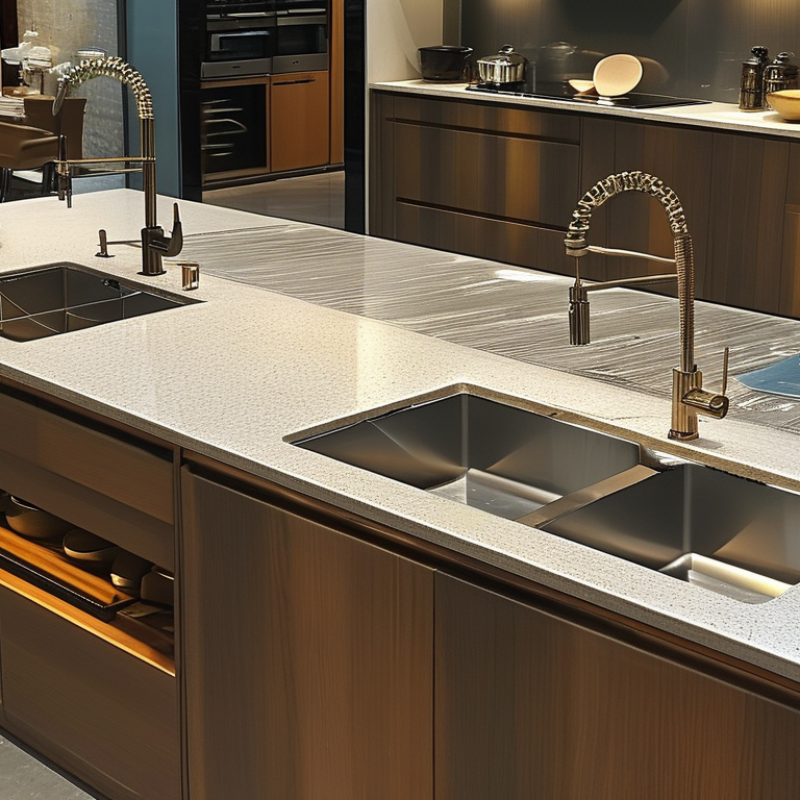
The Rise of Smart Kitchen Sinks: Features and Consumer Trends
The kitchen is evolving rapidly, with smart technology making a significant impact.
Smart kitchen sinks are at the forefront of this change. They offer features that enhance convenience and efficiency in food preparation and cleaning. Many sinks now come with touchless faucets, integrated soap dispensers, and water filtration systems. These aspects appeal greatly to modern consumers.
However, while these advancements are exciting, they also raise questions. Are these features truly necessary? Some users may find them overwhelming. For example, touch sensors can be finicky, and regular maintenance is essential. Frequent cleans can become tedious. Moreover, the reliance on technology means that any malfunction can disrupt daily routines dramatically, leading to frustration.
Consumer trends suggest a growing interest in multifunctional products. Buyers want sinks that not only serve traditional purposes but also fit into a smart home ecosystem.
This shift has led to a variety of designs and pricing options, aimed at diverse consumer needs. Yet, potential buyers should consider whether these features align with their actual lifestyle.
Balancing innovation with practicality remains a challenge for both manufacturers and consumers alike.
Top Materials for Kitchen Sinks: Stainless Steel vs. Composite vs. Fireclay
When it comes to kitchen sinks, material choice significantly impacts functionality and aesthetics. Stainless steel is a popular option, known for its durability and ease of maintenance. Industry reports indicate that nearly 40% of homeowners prefer stainless steel for its resistance to rust and staining. It fits well in modern kitchens and complements various designs. However, it can be noisy and prone to scratches over time.
Composite materials, made from a blend of resins and crushed stone, present a compelling alternative. They offer a wide range of colors, appealing to diverse tastes. A study found that consumers appreciate the non-porous nature of composite sinks, which helps resist stains and odors. However, some users note that they are less resistant to heat compared to stainless steel.
Fireclay sinks, a ceramic material, provide a unique, elegant look. They are highly resistant to scratches and chips, making them a great long-term investment. Yet, their significant weight can complicate installation. While they appeal to those wanting a traditional or farmhouse style, their price point can deter budget-conscious buyers. Objective comparisons reveal both strengths and trade-offs among these materials, highlighting the importance of considering personal needs and kitchen design when choosing a sink.
Global Market Analysis: Kitchen Sink Product Sales Growth by Region
The global kitchen sink market is seeing remarkable growth in various regions. North America and Europe maintain a strong demand for innovative designs, particularly in stainless steel and composite materials. These markets value both aesthetics and functionality. Buyers often seek products that blend seamlessly with modern kitchen décor.
In contrast, Asia-Pacific is experiencing rapid expansion. Growing urbanization drives the need for efficient kitchen fixtures. Consumers here are more focused on affordability, but quality still holds significant importance. Emerging economies are witnessing a rise in disposable income, enabling buyers to invest in premium kitchen solutions.
However, some areas remain underserved. Rural regions often lack access to diverse product options. This presents challenges for manufacturers aiming to cater to all potential customers. Moreover, sustainability concerns impact buying decisions. Consumers increasingly prefer products that are eco-friendly and durable. Balancing cost and quality remains a key point for global buyers navigating the kitchen sink market.
Factors Driving Selection: Ergonomics and Design Trends in Kitchen Products
When selecting kitchen and sink products, ergonomics plays a crucial role. Users often prioritize comfort and ease of use. For example, a well-designed sink should not only be stylish but also functional. Heights and depths of sinks must cater to various user needs. Proper positioning reduces strain during tasks such as washing dishes or food prep.
Design trends significantly influence consumer choices. Minimalistic styles are gaining popularity, enhancing both aesthetics and usability. A sleek design can create a sense of spaciousness. However, trends can sometimes overshadow practical needs. A shift towards open spaces means storage solutions must adapt. Assessing these trends is essential for combining beauty and functionality.
Ultimately, choices should reflect individual preferences and lifestyles. Some prefer modern looks, while others value classic designs. Each selection reflects a user's identity. Thus, prioritizing personal needs can lead to better satisfaction. Striking the right balance between design and ergonomics remains a challenge.
Top Kitchen And Sink Products for Global Buyers
| Product Category |
Key Features |
Ergonomic Benefits |
Design Trends |
| Faucets |
Pull-down spray, touchless operation |
Reduced strain during use |
Sleek, modern finishes |
| Sinks |
Stainless steel, undermount styles |
Ease of cleaning and functionality |
Minimalist aesthetics |
| Cutlery |
High-carbon stainless steel |
Improved grip and comfort |
Contemporary handle designs |
| Cookware |
Non-stick, induction compatible |
Safer cooking techniques |
Colorful and vibrant designs |
| Kitchen Gadgets |
Multi-functional tools |
Efficient and convenient |
Sustainable materials |
Sustainability in Kitchen Sinks: Eco-Friendly Options for Modern Buyers
Sustainable kitchen sinks are becoming essential for today's buyers. A recent industry report shows that eco-friendly materials are gaining traction. Buyers now prioritize sustainability over aesthetics. The shift towards greener options aligns with growing environmental concerns.
Materials like recycled steel and bamboo offer excellent alternatives. These materials reduce harmful emissions. A survey indicates that 70% of consumers seek sustainable products. This shift reflects their awareness of the environmental impact of their choices.
Tip: Consider the longevity of materials. Sinks made from durable, recycled components can last longer. This reduces waste and the need for replacements.
Modern designs often prioritize functionality alongside sustainability. However, not all eco-friendly options meet high standards. It's essential to research and select products that are certified for quality.
Tip: Look for certifications that ensure responsible sourcing and production practices. This will guide you to reliable choices that align with your values.
A careful selection process can lead to a positive impact on the environment. Focus on products that balance durability, style, and sustainability. Empower your kitchen decisions with confidence.
Sustainability in Kitchen Sinks: Eco-Friendly Options for Modern Buyers
Conclusion
The article "Top Kitchen And Sink Products for Global Buyers" explores the evolving landscape of kitchen and sink products, highlighting key trends and features that resonate with consumers today. It emphasizes the rise of smart kitchen sinks, showcasing advanced functionalities that enhance user experience. Additionally, the comparison of materials—stainless steel, composite, and fireclay—provides insights into durability and design preferences among buyers.
Moreover, the piece analyzes global market trends, noting significant sales growth in various regions, and discusses essential factors influencing consumer choices, such as ergonomics and contemporary design aesthetics. Sustainability is also a crucial theme, as it emphasizes the availability of eco-friendly options that appeal to modern buyers seeking environmentally responsible kitchen and sink solutions.

 YiGeng