Choosing the right sink sinks for your home can significantly impact both functionality and aesthetics. According to a report by the National Kitchen & Bath Association, the right sink can enhance a kitchen's efficiency, with 70% of homeowners prioritizing utility over style. This statistic underscores the importance of a thoughtful selection process. A poorly chosen sink can lead to daily frustrations, affecting everything from meal prep to cleaning.
When considering sink sinks, material matters. Stainless steel remains a top choice, preferred by 40% of consumers for its durability and ease of maintenance. However, blending aesthetics with functionality is key. For example, a farmhouse sink might look appealing but can require more effort for installation and cleaning. It's essential to balance style with practical needs.
Moreover, consumer trends reveal a growing interest in smart sinks that integrate technology. About 30% of homeowners express interest in innovative options that offer features like touchless activation. As homeowners seek to invest in their spaces, understanding these options will help make informed choices. Ultimately, selecting sink sinks should resonate with both personal taste and everyday usability.
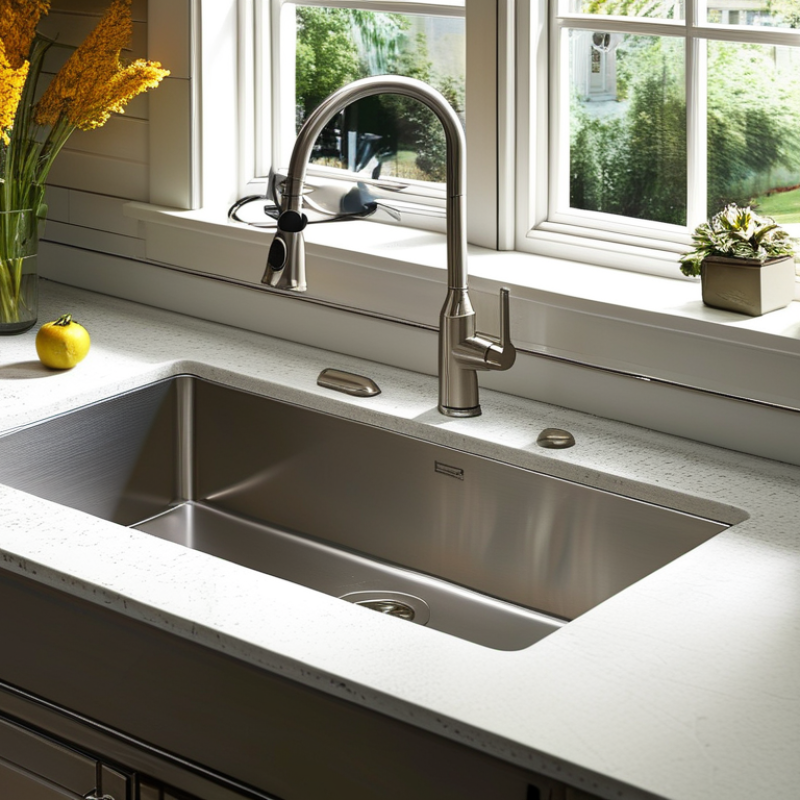
When it comes to choosing a sink for your home, several key factors come into play. The material of the sink is crucial. Stainless steel and porcelain are popular choices due to their durability and ease of cleaning. However, materials like copper can require more maintenance. Think about how much time you want to spend on upkeep.
Sizing is another important aspect. Make sure to measure your counter space accurately. A sink that is too large can overwhelm a small kitchen. Conversely, a sink that is too small may not meet your needs, especially if you do a lot of cooking. Think about your daily routines to determine the ideal size for you.
Lastly, consider the style of your sink. It should complement your home's overall design. A farmhouse sink may add charm to a rustic kitchen, while a sleek under-mount can enhance a modern space. Take your time exploring designs. Reflect on how various styles can impact the ambiance of your home. Every detail matters in creating a harmonious environment.
| Sink Type | Material | Size (inches) | Mounting Style | Price Range |
|---|---|---|---|---|
| Undermount Sink | Stainless Steel | 30 x 18 | Undermount | $150 - $300 |
| Drop-In Sink | Ceramic | 32 x 20 | Drop-In | $100 - $250 |
| Farmhouse Sink | Fireclay | 36 x 20 | Apron Front | $400 - $800 |
| Vessel Sink | Glass | 16 x 16 | Vessel | $100 - $200 |
| Console Sink | Marble | 48 x 20 | Console | $500 - $1,200 |
When choosing a sink, it is essential to consider the different types available. Each sink type has its own unique benefits and drawbacks. For instance, a stainless steel sink is popular for its durability. It withstands heat and resists stains well. However, it can scratch easily, showing wear over time. This might lead to some inconvenience for homeowners.
On the other hand, porcelain sinks add a classic look to any kitchen. They are easy to clean and resistant to most stains. Yet, they can chip or crack if heavy items are dropped. This factor could lead to costly repairs or replacements. When considering aesthetics and functionality, it is vital to weigh these aspects carefully.
Furthermore, under-mount sinks create a seamless look, making cleanup easier. However, they require precise installation and may cost more. While materials like composite offer a blend of durability and style, they may not suit everyone’s taste. Assessing your needs against these pros and cons can lead to better decision-making. Understanding what fits your lifestyle is crucial.
This chart illustrates the pros and cons rating for various types of sinks commonly used in homes. The scores range from 1 (poor) to 5 (excellent), providing a visual comparison of the strengths and weaknesses of each sink type.
When choosing a sink for your home, material is important. Options vary in durability and style.
Stainless steel sinks are popular due to their strength and sleek appearance. They resist stains and are easy to clean. However, they can scratch or dent if not cared for properly. It’s worth considering if the aesthetic fits your kitchen design.
Another option is porcelain. These sinks offer a classic look. They come in various colors and designs.
While they provide beauty, they can chip easily. It’s critical to balance visual appeal with everyday use. Think about the amount of wear your sink will endure.
Tips: Always consider heavy usage areas where durability matters. For high traffic kitchens, stainless steel may be best. If you want elegance and can manage care, porcelain is a fine choice. Investigate composite materials too. They combine durability with various finishes, making them versatile in style.
When considering sink installation, size and space are crucial factors.
The dimensions of your kitchen or bathroom can dictate the type of sink you choose. For example, a large farmhouse sink requires ample counter space and may not fit well in smaller areas.
Measure your space carefully to avoid purchasing a sink that overwhelms the room.
Additionally, think about the functionality of the sink. A deeper sink can be great for washing large pots, but it may not be ideal in a compact area. Keep in mind the standard heights for countertops and cabinets. If you have a custom setup, it’s essential to adjust your sink choice accordingly.
Assessing your needs will help you avoid common mistakes.
Consider your plumbing and installation requirements too. Some sinks may need more complex setups, influencing the overall cost and time of your project. Pay attention to how your choice affects the flow of the room. A poorly chosen sink can disrupt the kitchen's or bathroom's layout.
Evaluating both aesthetics and practicality will lead to a more satisfying result.
Choosing a sink for your home involves careful budgeting. Consider how much you can realistically spend on a new sink. The price range varies widely, influenced by the material, size, and design. Basic models can start from a few hundred dollars, while high-end options may exceed a thousand. Be prepared to factor in installation costs. Hiring a professional may be necessary, adding to your overall expense.
While selecting a sink, it’s easy to overlook additional costs. Accessories like faucets and drain assemblies can add up. Think about ongoing maintenance too. Some materials require more upkeep than others, which can impact your wallet in the long run. Remember that the aesthetic appeal of a sink should not overshadow functionality. A beautiful sink might tempt you, but does it suit your needs?
Reflect on how the sink fits into your lifestyle. Is it for a busy kitchen or a peaceful bathroom? Your choice should reflect daily use. Assess whether you are prioritizing looks over practicality. Sometimes, a good budget allows for trade-offs. Striking a balance between cost and quality is essential. Your sink should ultimately enhance your home’s utility and style.
: There are stainless steel, porcelain, under-mount, and composite sinks, each with unique benefits and drawbacks.
It is durable, heat-resistant, and stain-resistant. However, it can scratch easily over time.
They add a classic look and are easy to clean. Yet, they can chip or crack if mishandled.
They require precise installation and may be more expensive than other types.
Prices vary by material and design. Basic models can start from hundreds, while premium options may cost over a thousand.
Don't forget about installation fees, accessories, and ongoing maintenance costs regarding your chosen sink material.
Consider your needs, like whether it will serve a busy kitchen or a peaceful bathroom.
A beautiful sink may catch your eye, but ensure it meets your practical needs too.
Reflect on your budget and lifestyle. Sometimes, you may need to make compromises between looks and durability.
Ponder whether you prioritize style or utility. Your sink should enhance both function and appearance in your home.
When choosing the right Sink Sinks for your home, several key factors come into play. First, consider the different types of sinks available, each offering unique pros and cons to fit various needs and styles. Material options also play a crucial role in durability and aesthetic appeal; for example, stainless steel offers resilience, while ceramic provides a classic look.
Furthermore, size and space considerations are essential to ensure proper installation and functionality in your home. Lastly, budgeting for sink selection is crucial, as costs can vary widely based on materials and designs. By carefully evaluating these elements, you can select the ideal Sink Sinks that enhance your home's utility and design.

YiGeng