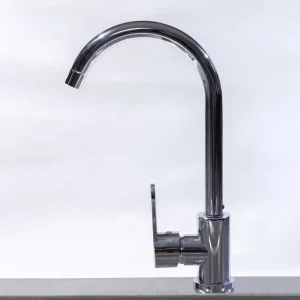
In the highly competitive commercial construction, real estate development, and sanitary ware wholesale sectors, sourcing the ideal combination of kitchen sinks and accessories represents a delicate balancing act between budget efficiency and premium structural integrity. As global consumer demand shifts towards culinary workstations and multi-functional designs, finding a **cheap kitchen sink and accessories supplier** that maintains uncompromising standards of quality has become critical for margins and consumer satisfaction alike.
Traditionally, the word "cheap" has carried a negative connotation, implying compromised gauge thickness, vulnerability to crevice corrosion, and poor dimensional accuracy. However, modern manufacturing paradigms driven by advanced automation, scale economics, and integrated industrial clusters in China have redefined the term. Today, "cheap" refers to the optimization of cost architectures—leveraging localized vertical integration to pass significant price advantages onto global buyers without degrading material performance, finishing durability, or structural lifespan.
For project procurement leads and wholesale distributors, intent is driven by two main elements: total cost of ownership (TCO) and compliance certification. B2B buyers seeking a "cheap kitchen sink supplier" are not merely looking for the absolute lowest pricing unit. They require structural guarantees, standardized tolerances, long-term wear resistance, and modular versatility (such as integrated cutting boards, colanders, and drainage systems).
By addressing these requirements directly, manufacturers can deliver true value: high-performance products that lower shipping costs via nested nesting designs, simplify installation on-site, and limit return rates through advanced surface coatings. This white paper breaks down the metallurgical, functional, and logistics components that enable smart procurement managers to achieve cost goals without risking project failures.
Our manufacturing partner, Henan Yigen Kitchen & Bathroom Co., Ltd., operates a state-of-the-art production facility optimized for high-volume sanitary ware production. By utilizing automated stamping, robotic welding arms, and laser finishing, we ensure every sink meets dimensional tolerances below 0.5mm.
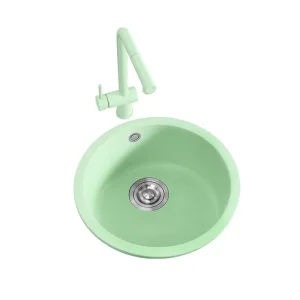
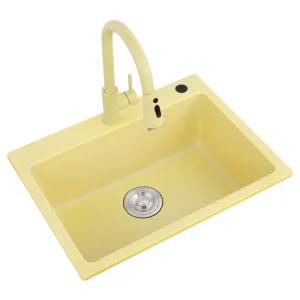
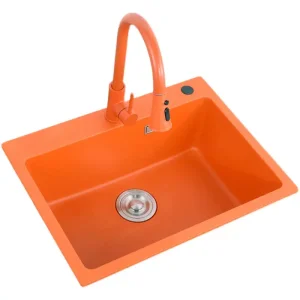
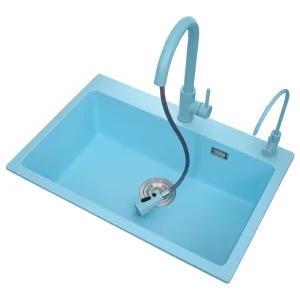
Whether your project requires custom dimensions, unique PVD colors (such as Hermes Orange or Forest Green), or integrated structural workcenters, our extensive facility and expert workforce ensure reliable delivery times and consistent mass-production quality.

The performance of any stainless steel sink is determined by its composition and manufacturing process. When sourcing cost-effective kitchen products, understanding these specifications helps avoid early wear, rust, or structural failure.
The alloy matrix used dictates the corrosion resistance of the sink. Premium sinks are manufactured from SUS304 (containing approximately 18% Chromium and 8-10% Nickel). Chromium creates a self-healing chromium oxide passivation layer that protects the base metal from oxidation. Nickel adds structural toughness and chemical resistance to acids and chlorides.
While SUS201 (substituting manganese for nickel) is a more cost-effective alternative suitable for light-duty indoor or office spaces, it is more susceptible to pitting corrosion if exposed to harsh cleaning agents or hard water over time. High-volume buyers must confirm metallurgy options to match local environmental conditions and building codes.
The gauge of the steel sheet determines the sink's resistance to denting, thermal expansion deformation, and operational noise.
To offset the resonance of running water and clanging cookware, quality suppliers apply heavy-duty rubber sound-dampening pads and a condensation-proof undercoating. This protection prevents moisture buildup beneath the sink box, protecting wooden cabinetry from rot.
The mechanical finish of a sink affects both its look and scratch resistance.
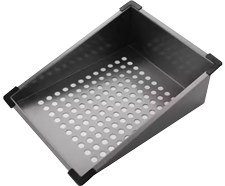
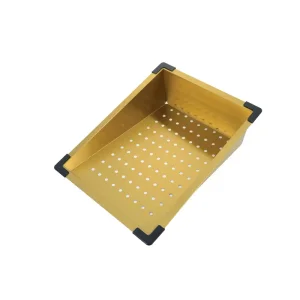
Designed to fit perfectly within the sink ledge, optimizing water runoff and workspace cleanliness.
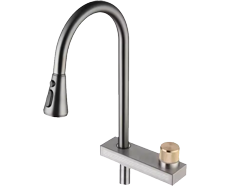
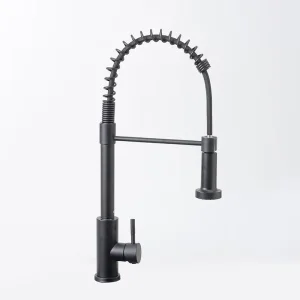
Ergonomic pull-out designs featuring ceramic disc cartridges for durable flow control.
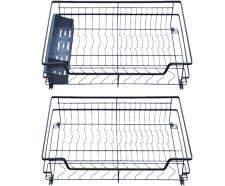
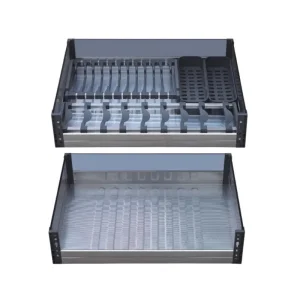
Heavy-duty cabinet slide organizers that maximize storage space and ease of access.
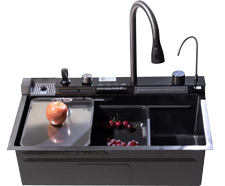
Available in single and double bowl configurations with various radius layouts (R0 to R15).
We offer a complete engineering and manufacturing workflow. Our team supports B2B buyers at every stage, translating design requirements into certified sanitary ware products.

Provide ID Design

3D Modeling

Real Mold Prep

Client Confirm

Modify Sample

Stress Testing

Mass Production
Sourcing from overseas factories requires careful planning around regulatory compliance, import tariffs, and logistics optimization. An experienced supplier is essential to managing these challenges successfully.
To enter major global markets, plumbing fixtures must meet strict regional standards. Sinks and faucets without these certifications can face import delays or legal issues during building inspections.
Sea freight costs significantly impact the final landed price of bulky products like kitchen sinks. Strategic packaging design is essential to keeping total costs down.
Traditional welded sinks do not nest easily, leaving considerable empty space inside shipping containers. In contrast, pressed sinks and modular R10/R15 handmade sinks can be nested. By layering sinks on pallets, suppliers can fit up to 300% more units in a 40HQ container compared to fully assembled, individually boxed units. Accessories, such as drain baskets and faucets, are packed inside the remaining gaps to maximize container utilization.
Many Western jurisdictions apply anti-dumping duties to stainless steel sinks originating from mainland China. Experienced sourcing managers address this through several strategies:
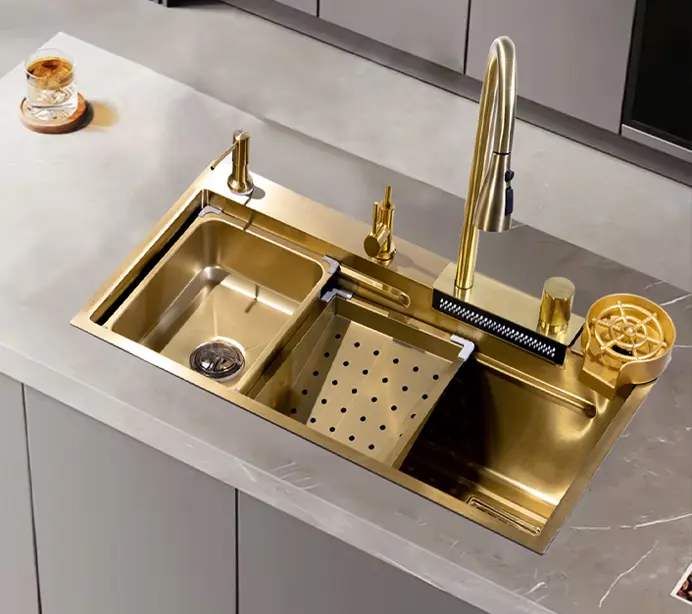
Henan Yigen Kitchen & Bathroom Co., Ltd. is a comprehensive company focusing on the manufacture and trade of handmade sinks, pull-out baskets, drain baskets, toilets, shower heads, and related plumbing accessories. We are committed to providing customers with high-quality kitchen and bathroom products, and at the same time provide customers with a variety of customized product solutions in combination with industrial and trade needs.
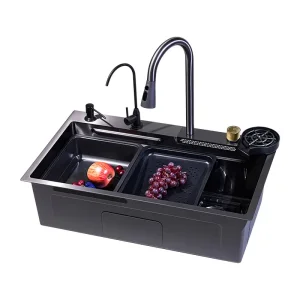
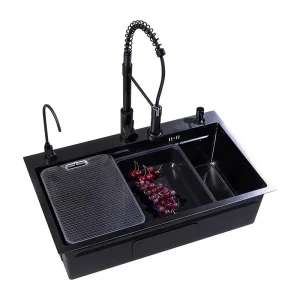
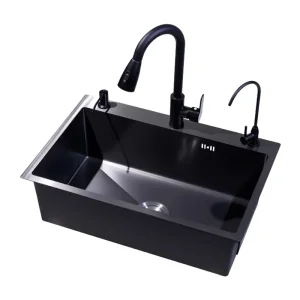
By offering integrated packages—matching faucets, soap dispensers, colanders, and soundproofed basins under a single SKU—we help retailers reduce transaction friction and logistics complexity.
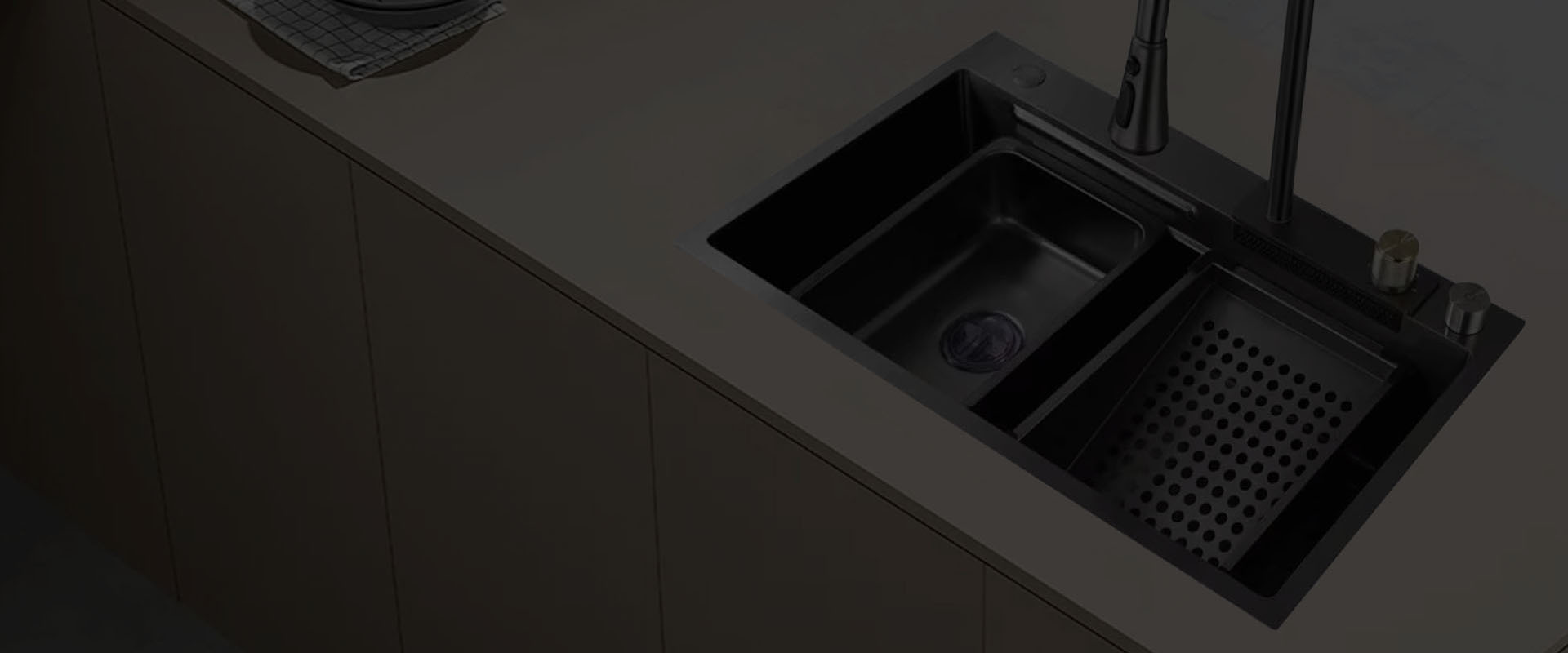
Forging high-precision drain systems for smooth drainage and daily utility.
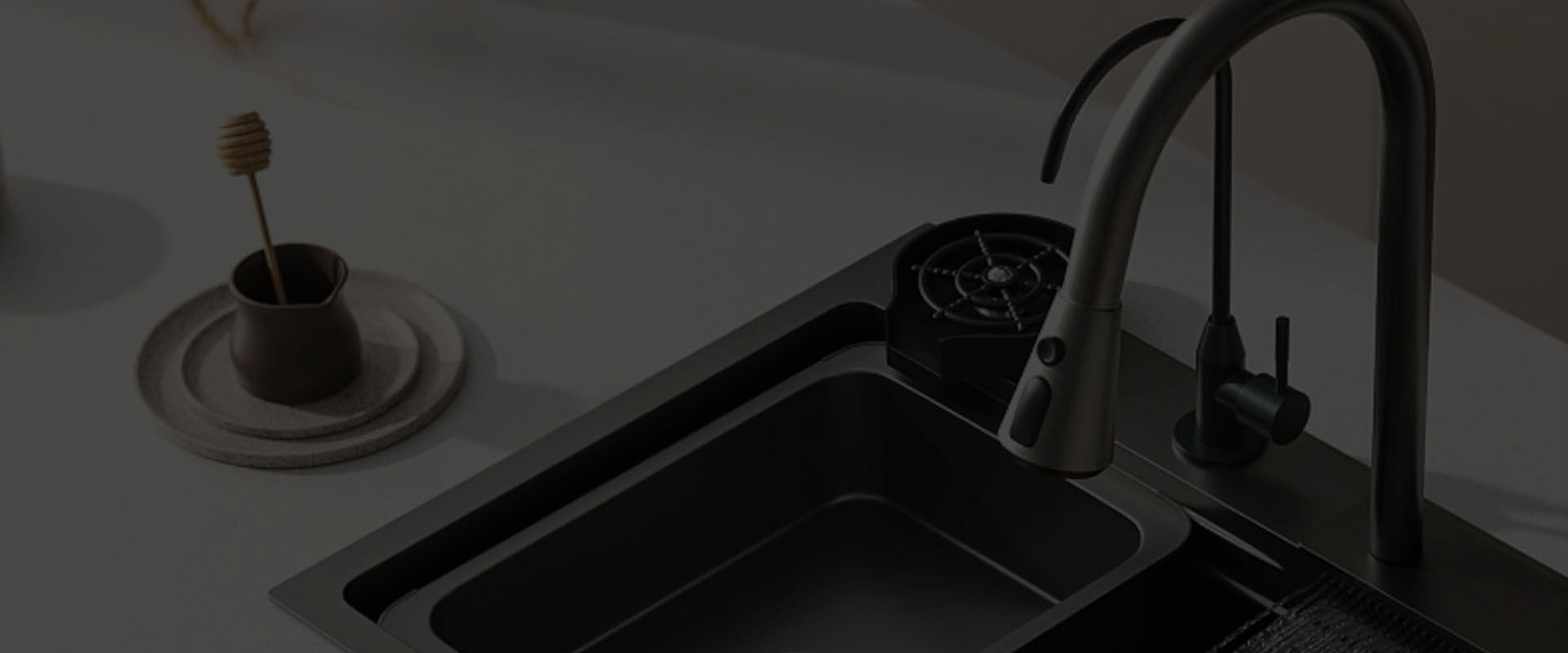
Providing optimal flow rates and durable valves for modern commercial facilities.
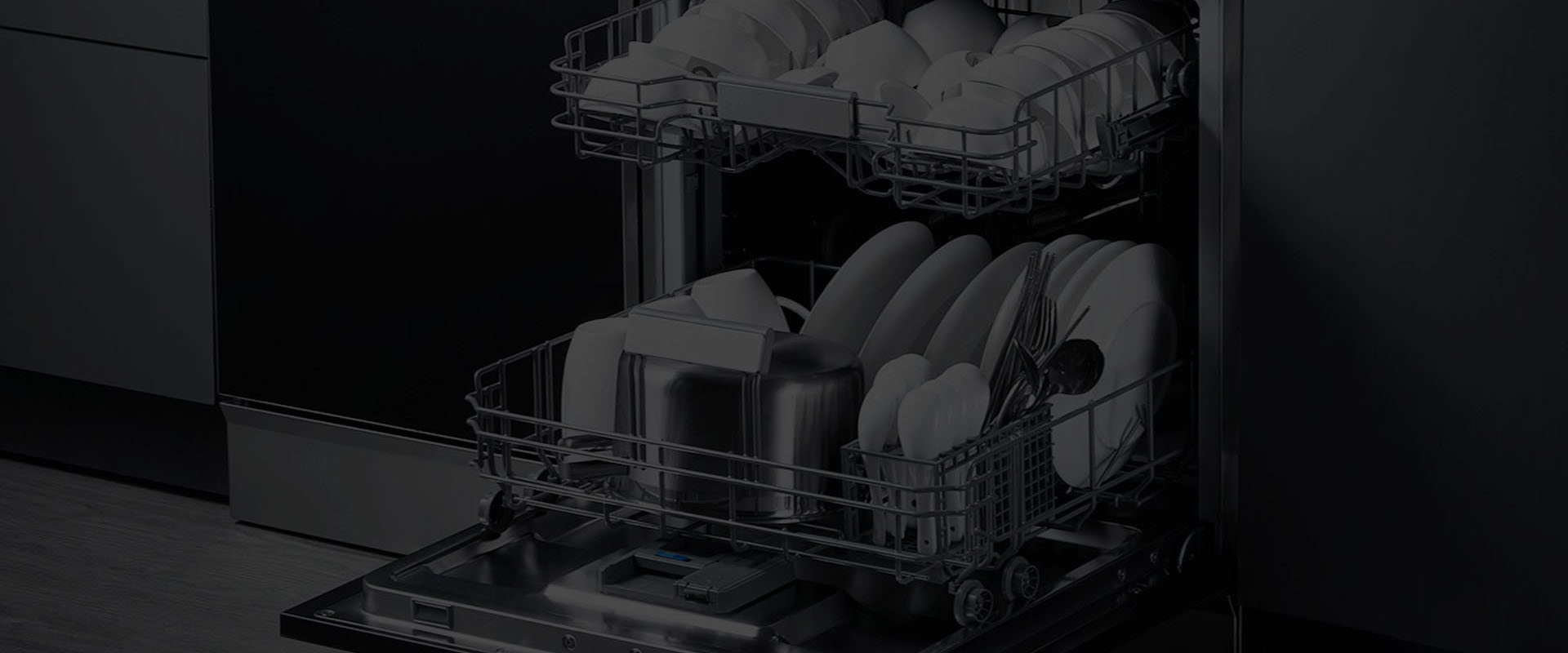
Maximizing cabinet utility with smooth gliding mechanisms and rust-resistant steel.
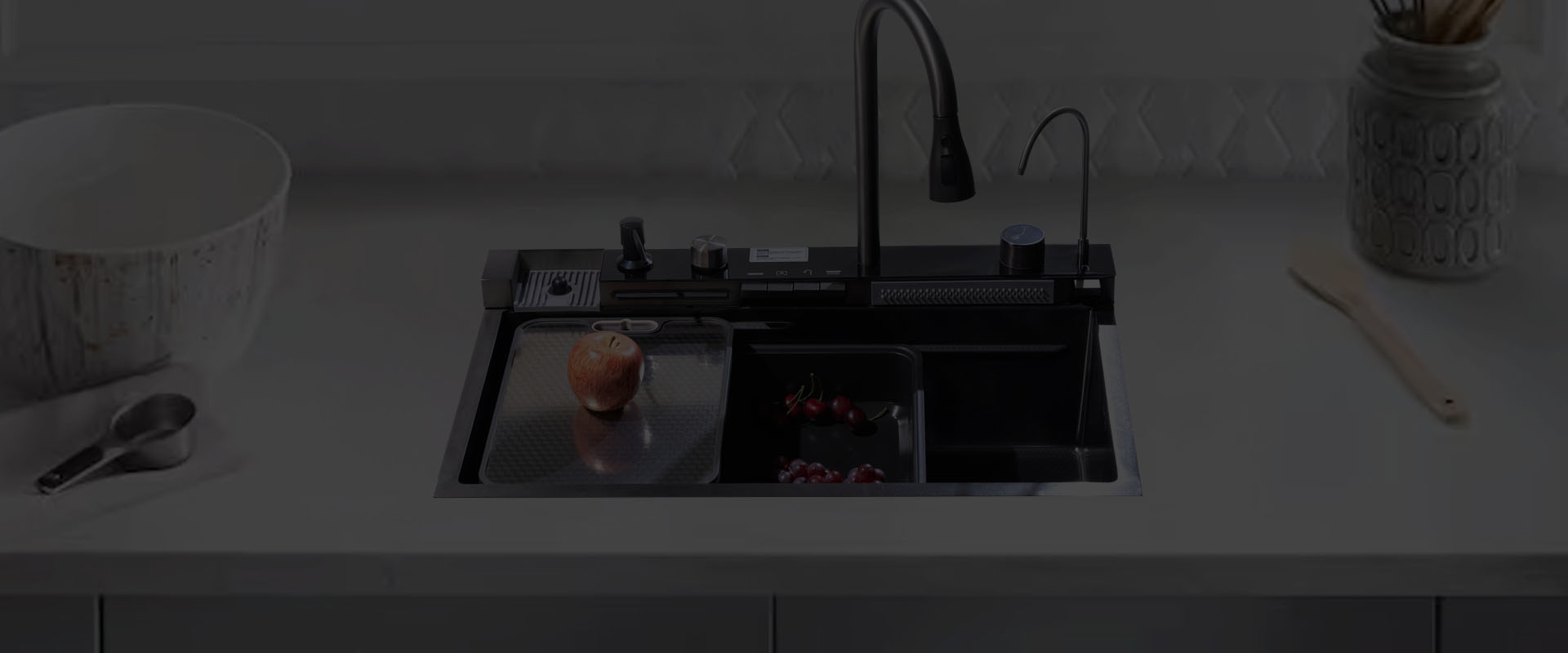
High-quality structural builds designed for reliable, long-term durability in heavy-use kitchens.

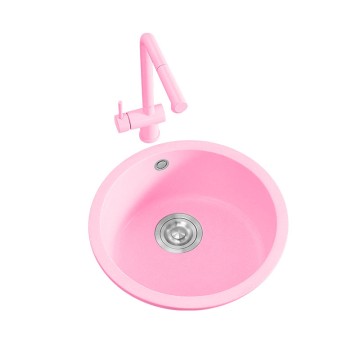
The global kitchen hardware industry is evolving rapidly. Manufacturers are shifting away from simple basins to focus on smart workstations, sustainable materials, and specialized designs for specific target groups.
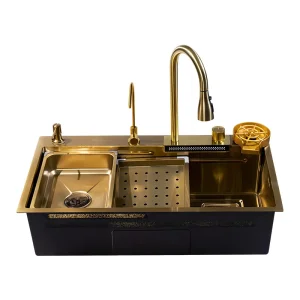
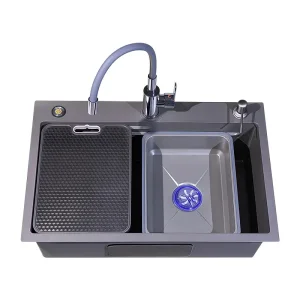
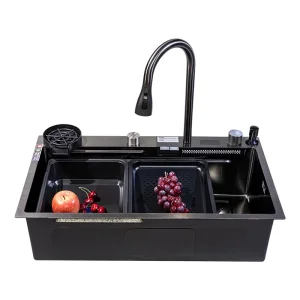
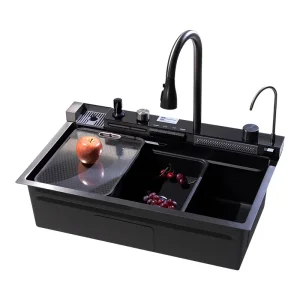
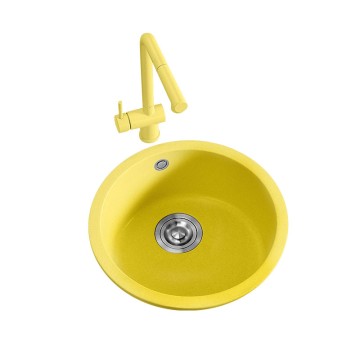
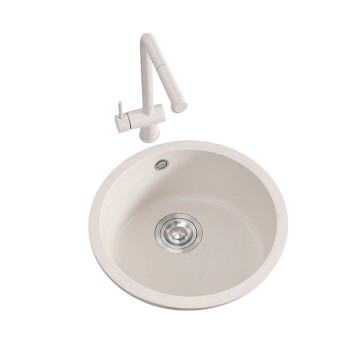
Modern homeowners and commercial developers expect sinks to do more than simply hold water. Integrated workstations featuring matching cutting boards, rolling racks, and rinse baskets are now common. In terms of design, the popularity of PVD colored stainless steel (such as forest green, yellow, and Hermes orange) has grown, especially in residential projects looking for alternatives to traditional silver.
Because the sink is the most used hub in the kitchen, developers prioritize durability and easy cleaning. Standardizing SUS304 construction alongside advanced nano-coatings has become the preferred specification. These coatings prevent water spots and oil accumulation, which reduces maintenance times in commercial properties.
As housing renovations increase globally, the demand for customizable sinks has risen. B2B buyers can improve margins by partnering directly with integrated manufacturers. Direct factory sourcing allows companies to customize dimensions, package accessories together, and use space-saving packaging to reduce logistics costs.
Pressed sinks are stamped from a single sheet of steel using heavy machinery, which allows for fast production and lower unit costs, but results in thinner corners due to stretching. Handmade sinks are welded and finished by hand from thicker steel sheets (typically 16 to 18 gauge), keeping the thickness consistent throughout. This process permits custom designs, sharper R0/R10 corners, and deeper bowls, but carries a higher manufacturing cost.
PVD (Physical Vapor Deposition) applies a thin, high-density metal layer at the atomic level, making it highly scratch-resistant. However, because it is thin, sharp objects can still scratch through the color layer to the underlying steel. Adding a hydrophobic nano-coating helps protect the PVD finish from daily wear and mineral deposits.
Imported sinks must be certified to **ASME A112.19.3/CSA B45.4** standards. The standard certification mark is **cUPC** (Uniform Plumbing Code), issued by agencies like IAPMO or CSA. Faucets and supply components must also be certified lead-free under **NSF/ANSI 61** and **NSF 372** to meet safety standards.
To optimize shipping space, select nested pressed sinks or R10/R15 handmade sinks that layer compactly on pallets. Sinks should be ordered without pre-installed drains or faucets, packing accessories into the hollow spaces. This nesting strategy can increase the number of units per container by up to 2 to 3 times compared to shipping individually boxed items.
Standard MOQ for pressed stainless steel sinks is typically 100 to 200 units per size due to setup times. For custom handmade sinks, MOQs are often lower (e.g., 50 units). Lead times range from 30 to 45 days after deposit and design confirmation, depending on the complexity of the custom molds.
We implement quality control checks at every stage, including raw material inspection, welding structural checks, surface finish evaluations, and packaging tests. Our facility holds ISO9001 and CE certifications, ensuring every shipment matches agreed customer samples and drawings.
 YiGeng