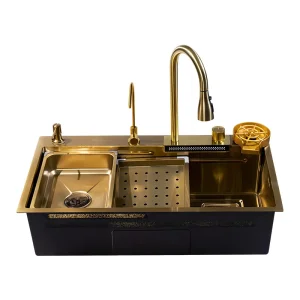
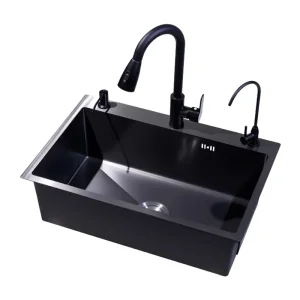
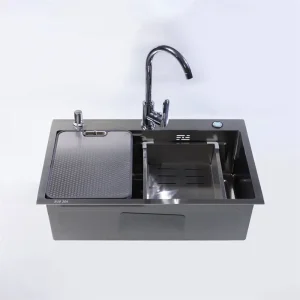
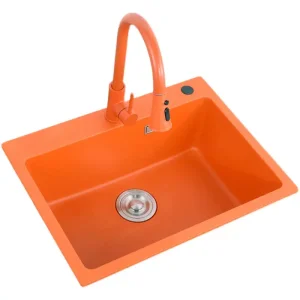
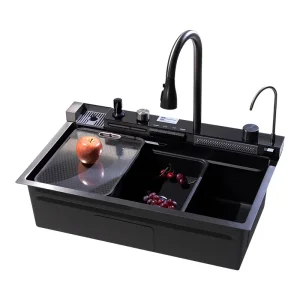
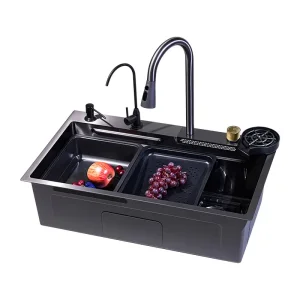
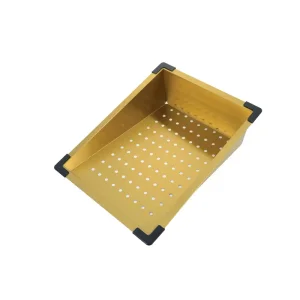
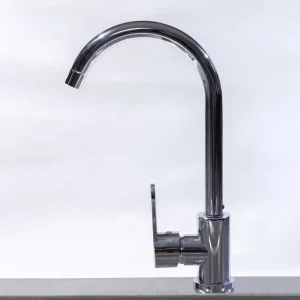
Explore our hot-selling series featuring premium finishes, multi-functional designs, and unmatched factory-direct pricing for B2B distributors.
The global kitchen fixtures market has undergone structural changes over the past decade. Faucets and kitchen sink mixers have evolved from simple water delivery valves to central processing nodes for modern kitchen automation, culinary efficiency, and hygiene management. The global market value of residential and commercial kitchen mixers exceeded USD 12.8 Billion in 2024, and is expected to grow at a CAGR of 6.2% through 2030.
Key drivers behind this market evolution include the rise of touchless sensory technology, architectural focus on minimalist utility, and international regulatory demands concerning heavy metals and water sustainability (such as EPA WaterSense and WRAS certifications). In modern home planning, European and American markets exhibit massive demand for high-arc, pull-down sprayers with physical vapor deposition (PVD) finishes. Meanwhile, expanding urbanization in Latin America, Southeast Asia, and Eastern Europe fuels a high-volume demand for value-optimized, high-durability kitchen sink mixers that balance cost-efficiency with high-cycle lifespans.
For large-scale real estate developers, hospitality chains, and wholesale distributors, securing a reliable supply channel that connects directly to the core manufacturing infrastructure is not just a choice—it is a competitive necessity. Developing this commercial connection allows sourcing managers to avoid middle-tier trading premiums while asserting strict controls over mechanical reliability and raw material compliance.
To access key B2B markets, manufacturers must conform to strict testing regimes:
✓ Henan Yigen complies with ISO 9001 and CE requirements to support international supply chains.
When global sourcing departments search for "cheap" kitchen sink mixers, they are often searching for value maximization—achieving high durability and aesthetic elegance at optimal unit costs.
Chinese manufacturing complexes consolidate raw material sourcing, mold fabrication, gravity casting, CNC machining, surface plating, and testing under one regional hub. This minimizes inter-facility transport overheads.
With massive regional capacity, factory operations reduce per-unit overhead amortizations. Bulk procurement of electrolytic copper and SUS304 steel reduces direct material volatility.
Utilizing multi-axis CNC milling centers, robotic polishing setups, and automated pressure testers increases production consistency and yields while minimizing defect rates.
As a premier Chinese developer, Henan Yigen Kitchen & Bathroom Co., Ltd. demonstrates this manufacturing edge. Operating a state-of-the-art facility featuring 50,000 square meters of plant space, a workforce of over 700 production specialists, 25 technical R&D engineers, and 10 professional industrial designers, Yigen integrates OEM and ODM services directly. This infrastructure provides structural flexibility, allowing our factory to deliver tailored kitchen mixers, handmade sinks, and bathroom systems at highly competitive unit pricing.
Kitchen mixer configurations are highly dependent on target market habits, building plumbing pressures, and local aesthetic requirements.
Typically prefers single-handle, high-arc gooseneck pull-out mixers with dynamic spray/stream selectors. Sinks are predominantly undermount, requiring mixers that can be mounted through single or three-hole deck plates. Compliant lead-free brass or surgical-grade 304 stainless steel is essential.
Focuses on low-profile, clean-line minimalist mixers, often with low-pressure configurations for gravity-fed boiler systems. Demands certified ceramic cartridges (e.g., KTW-compliant) to guarantee water safety and precise thermal mixing under varying pressures.
Demands heavy-duty spring-spout pre-rinse mixers with high flow velocities (optimized under localized water limits) and commercial chrome finishes. These must withstand high-frequency physical impacts and harsh sanitizing chemicals.
The modern kitchen sink mixer is no longer a static hardware piece; it is an active design statement. Global B2B buyers now seek aesthetic variance that allows their product lines to stand out on retail shelves and e-commerce platforms. Key developments include incorporating advanced internal ceramic cartridge technologies that withstand up to 500,000 switching operations without dripping.
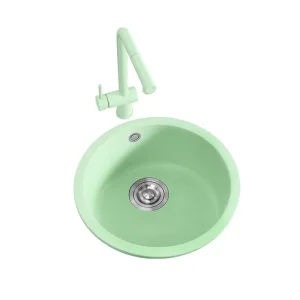
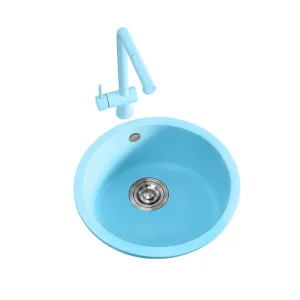
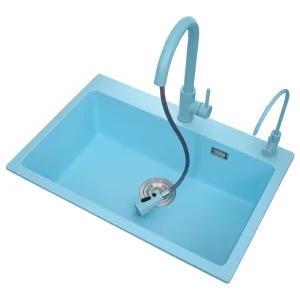
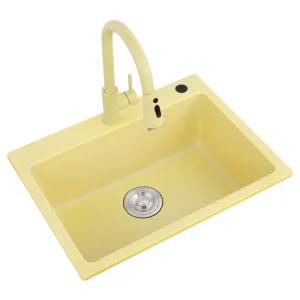
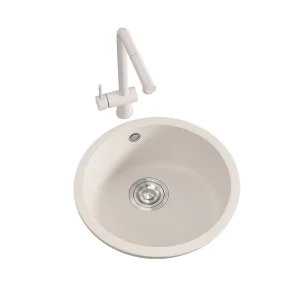
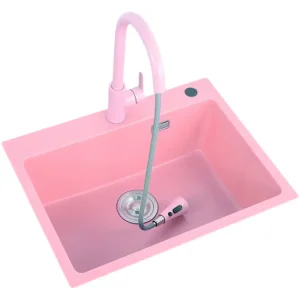
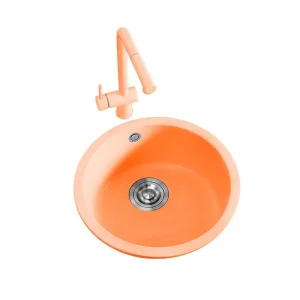
Additionally, surface treatment technology has advanced from standard electroplating to multi-layer PVD vacuum plating. PVD technology hardens the surface finish to resist scratches, fingerprints, and acidic detergents. By offering finishes that match unique kitchen sink aesthetics—such as pastel shades, macaron colors, and deep charcoal grays—Henan Yigen provides distributors with a highly customizable catalog that caters directly to interior designers and premium architectural specifications.
From raw industrial design concepts to mass manufacturing, our structured process ensures product fidelity, compliance, and rapid time-to-market.

1. Provide ID Design

2. 3D Modeling

3. Real Mold Sample

4. Client Confirm

5. Modify Sample

6. Testing Phase

7. Mass Production
To protect profit margins and brand reputation, procurement officers must employ structured auditing techniques during supplier vetting.
When dealing with "cheap" price points, look beyond the initial quotation. Ensure the factory operates an in-house laboratory with the following verification equipment:
| Audit Point | Standard Threshold |
|---|---|
| Cartridge Brand | Kerox (Hungary), Sedal (Spain), or approved local high-durability equivalents |
| Chrome Plating | Ni > 8 μm, Cr > 0.25 μm (Matches ASS 24h test) |
| Aerator Assembly | Neoperl or equivalent honeycomb design for splash reduction |
| Lead Release | < 5 μg/L compliance matching global standards |
Expert technical answers to assist developers and wholesale buyers in making informed manufacturing decisions.
Discover our custom-designed color series and integrated high-utility configurations built to satisfy global procurement specifications.
 YiGeng