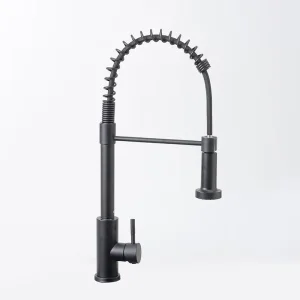
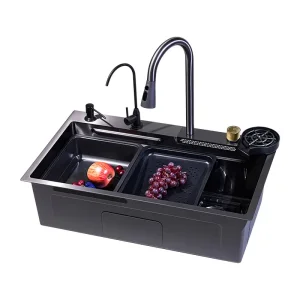
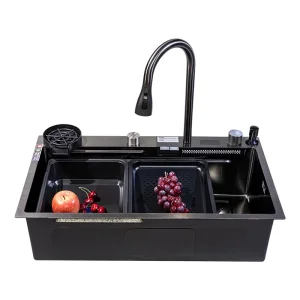
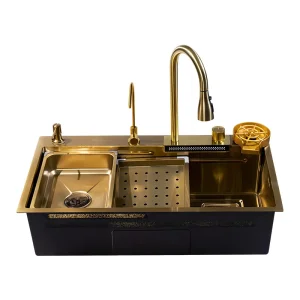
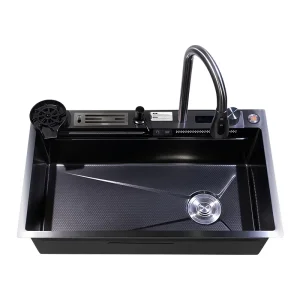
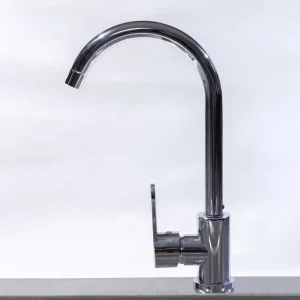
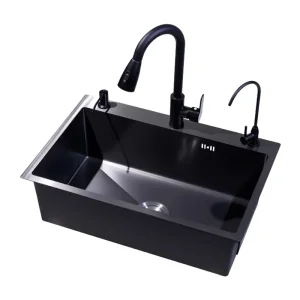
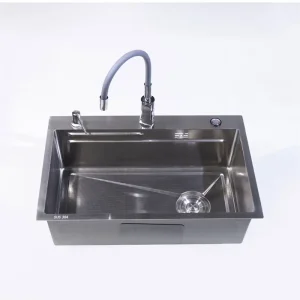
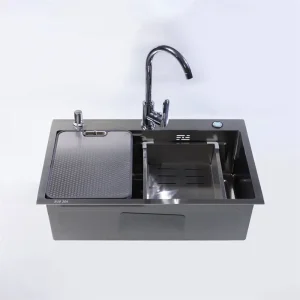
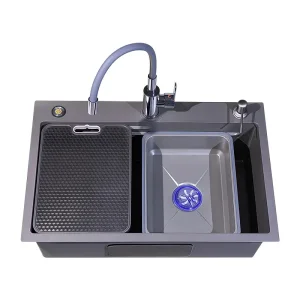
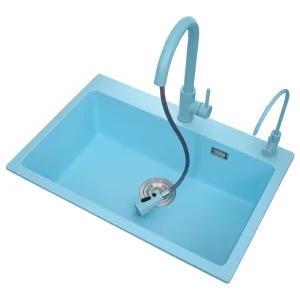
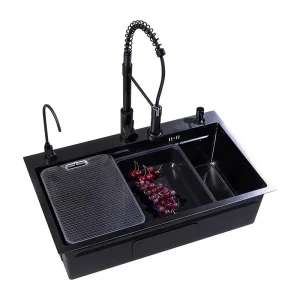
Engineered with precision for premium residential kitchens, modern public infrastructure, and heavy-duty outdoor-grade stainless steel sink integrations.
How urbanization, culinary shifts, and materials science are shaping the global commercial and residential demand for weather-proof outdoor cabinet setups.
In recent years, the intersection of landscape architecture and culinary lifestyle has given rise to the modern outdoor kitchen. No longer limited to standalone, rustic barbecue grills, contemporary residential and commercial properties globally are demanding fully integrated, modular, and weather-proof storage solutions. Stainless steel outdoor cabinets have established themselves as the gold standard of this evolution. From beachfront luxury resorts in Florida to high-density residential developments in Singapore, and suburban homes across Western Europe, the need for robust, structural outdoor metal cabinetry has grown exponentially.
Globally, the market is segmented into three primary demand sectors: high-end residential custom builds, commercial alfresco dining infrastructures, and municipal public park applications. While regional preferences vary—North American buyers lean towards deep, expansive barbecue island layouts, whereas European buyers prioritize minimalist, space-optimized modular utility—all sectors demand absolute material integrity. Outdoor environments present extreme challenges, including high ultraviolet (UV) radiation, localized humidity variations, ocean salt aerosols, and sub-zero winter freeze cycles. Consequently, conventional indoor materials like wood, melamine, or low-grade plastics degrade rapidly. High-performance stainless steel (specifically alloys in the austenitic families) provides the structural stiffness, tensile strength, and natural corrosion resistance necessary to withstand decades of harsh environmental exposure.
To cater to this global surge, professional manufacturers have developed advanced fabrication standards. Precision sheet metal laser cutting, CNC bending, and robotic gas tungsten arc welding (GTAW) ensure that joint lines remain airtight and water-resistant. Furthermore, structural design integrations, such as double-walled door panels, high-resilience weather strips, and heavy-duty, soft-close hydraulic dampers, ensure that outdoor cabinets retain their luxury aesthetic and mechanical functionality over prolonged lifecycles.
Analyzing the supply chain density, automated manufacturing processes, and technological economies of scale behind high-quality, cost-efficient production.
The B2B purchasing landscape frequently struggles to reconcile the terms "cheap" and "high-quality." In the context of industrial Chinese manufacturing, "cheap" does not indicate compromised material thickness or sub-standard alloys. Instead, it refers to structural cost efficiency unlocked through advanced supply chain integration, regional clustering, and deep automation. Companies like Henan Yigen Kitchen & Bathroom Co., Ltd. represent this modern shift, operating vast facilities optimized for high-volume, precision output.
Chinese factory efficiency is structurally built upon three foundational pillars:
As a leading brand in kitchen appliances, our business is not only spread across various domestic platforms and markets, but also involves cross-border and multi-party trade fields. Currently, we cooperate with countries all over the world and have thousands of overseas buyers. This extensive global footprint ensures that our manufacturing pipelines align with international standards, such as ISO9001, CE, and RoHS certifications, offering reliable and durable products for diverse commercial markets.
Understanding alloy formulations, grain structures, and advanced surface finishes that protect outdoor cabinetry from the elements.
To design a truly resilient stainless steel outdoor cabinet, engineers must select the appropriate alloy grade. The choice of material dictates the cabinet's lifespan, chemical resistance, and ease of maintenance. Below is a detailed comparison illustrating the structural differences between standard and premium stainless steel alloys used in our factories:
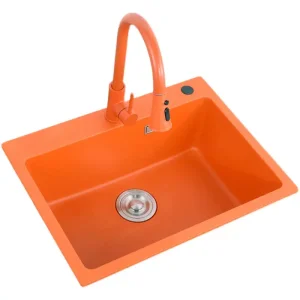
In addition to alloy selection, modern finishes are crucial. Traditional raw stainless steel can be prone to fingerprinting and glare. At Yigen, we utilize advanced Physical Vapor Deposition (PVD) coloring techniques. PVD is an eco-friendly vacuum coating method that deposits thin, high-density ceramic layers onto the steel substrate. This creates striking aesthetics—such as Hermes Orange, Gunmetal Black, and Champagne Gold—while significantly increasing surface hardness, scratch resistance, and hydrophobic performance. The resulting cabinets reject water and oils, keeping them easy to clean in demanding outdoor environments.
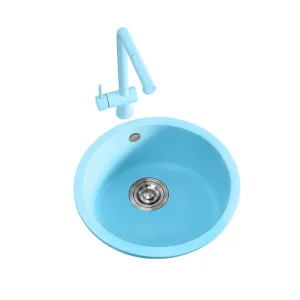
Explore our highly-acclaimed custom kitchen components, colorful children's bathroom sinks, and pull-out hardware, engineered directly by Yigen.

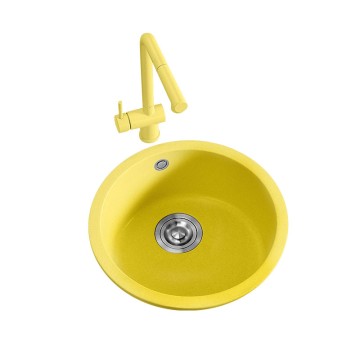
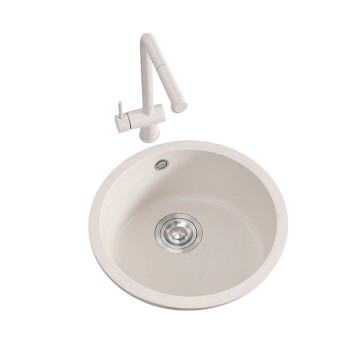
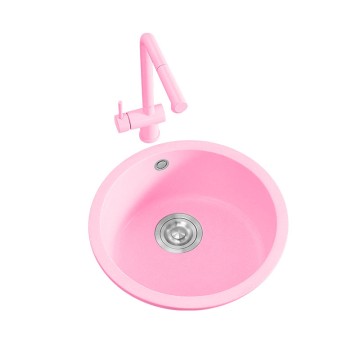
Browse our core ranges, designed to integrate seamlessly into outdoor cooking stations and interior spaces alike.
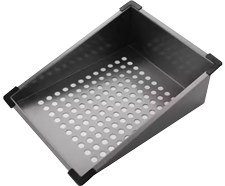
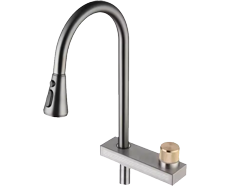
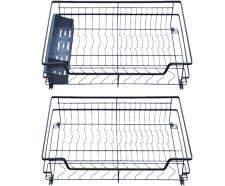
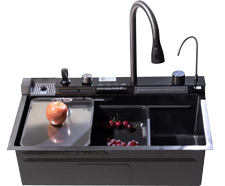
Daily life starts from the kitchen. Our precision-forged steel profiles provide robust performance and long-lasting durability.
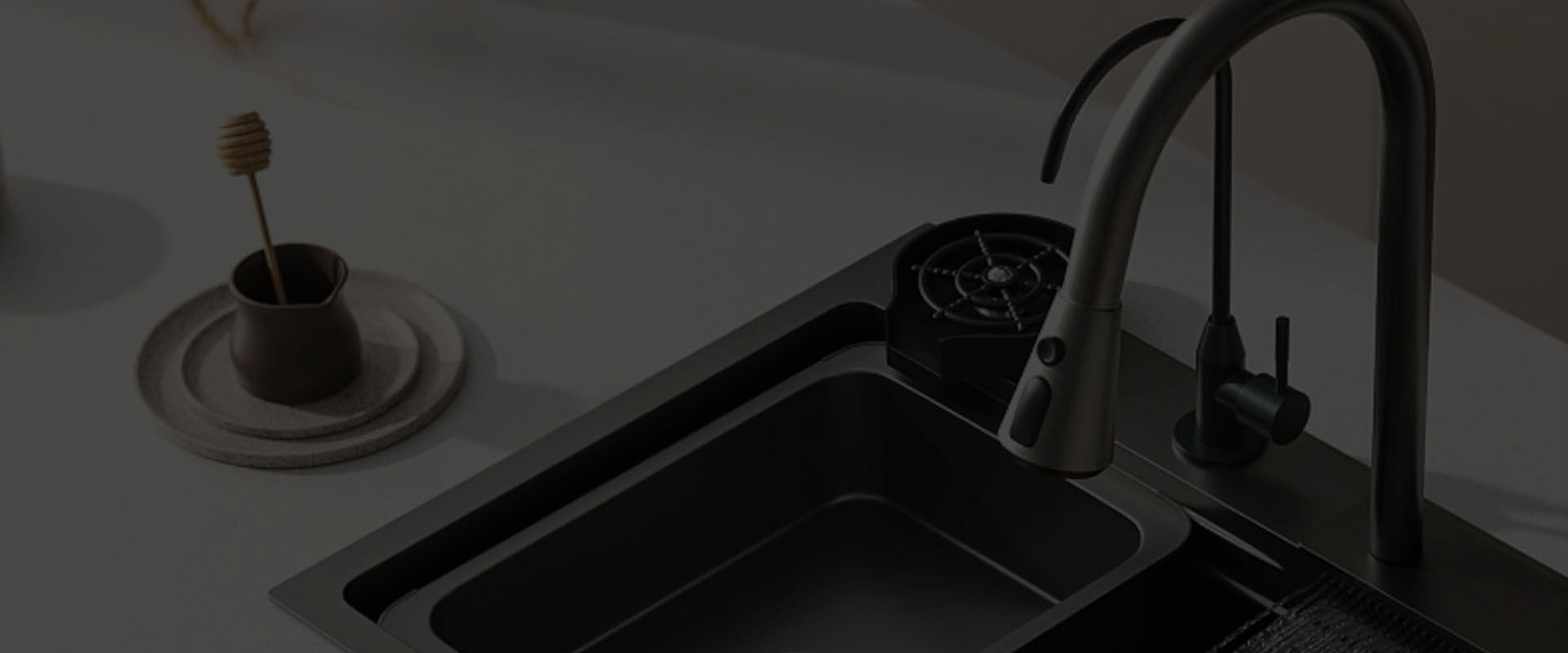
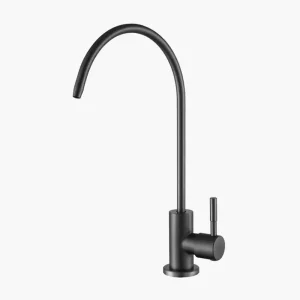
Engineered for consistent pressure regulation, water purification compatibility, and excellent corrosion resistance.
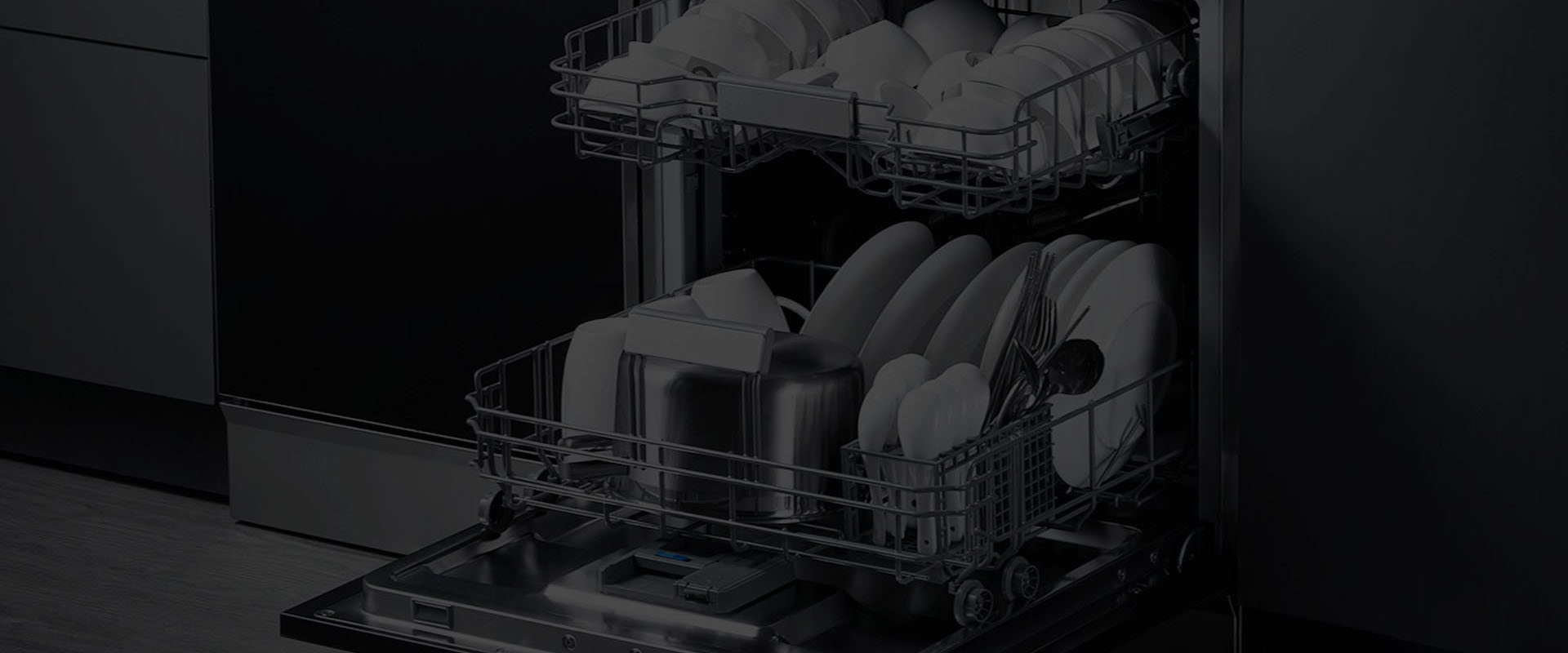
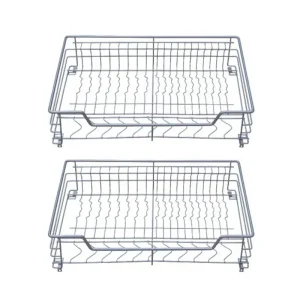
Maximizing space efficiency through heavy-duty pull-out steel structures, tested for over 100,000 smooth cycles.
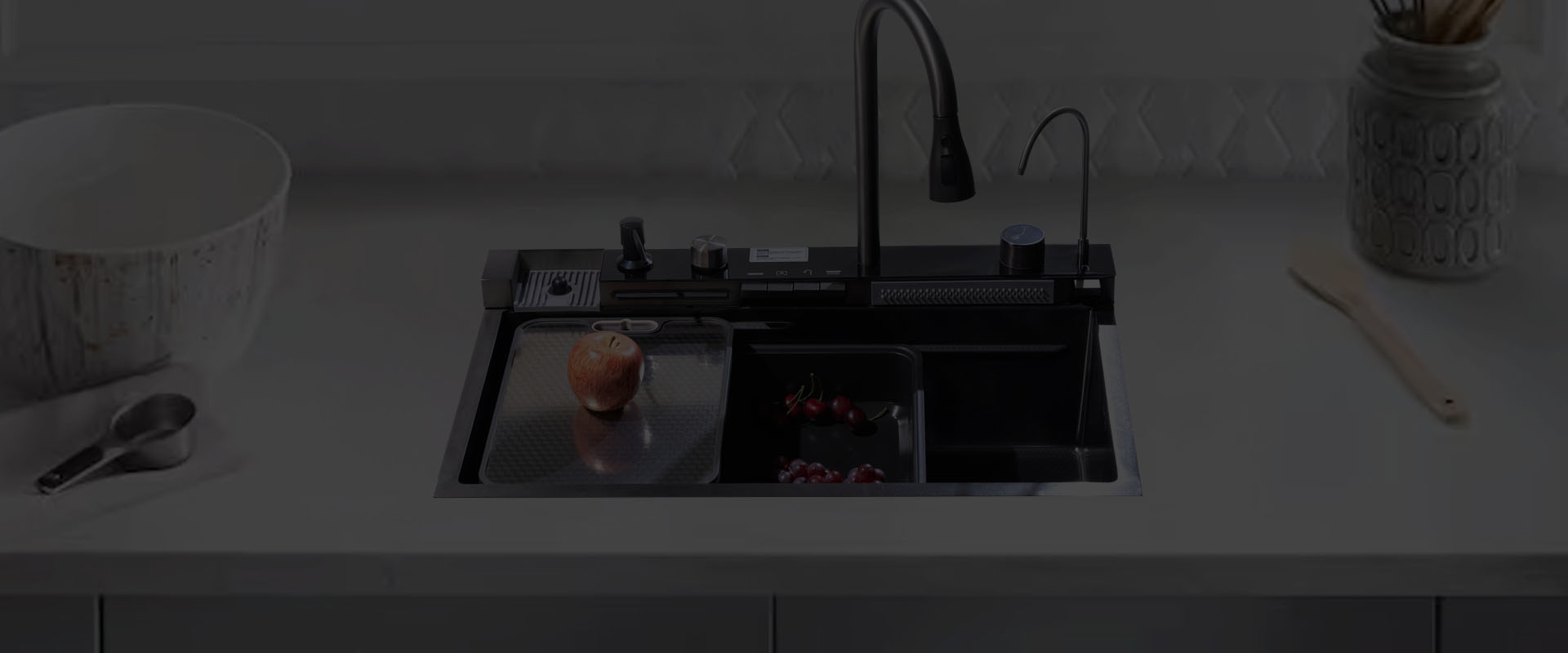
Handcrafted sinks featuring soundproof undercoating and deep anti-condensation barriers, ideal for outdoor islands.
Analyzing how regional environmental factors dictate cabinet design, engineering requirements, and material selection.
Stainless steel outdoor cabinetry must adapt to the specific microclimates of its installation site. A failure to account for local environmental factors can result in premature structural failure, paint flaking, or mechanical locking of hinges. Below are the key engineering specifications based on geographical demographics:
In coastal areas (such as coastal Florida, Mediterranean resorts, or coastal Australia), the air is rich in microscopic sodium chloride particles. This deposit accumulates on cabinet surfaces and initiates pitting corrosion. For these environments, factories must utilize AISI 316 grade stainless steel, combined with a thick powder coating or protective marine-grade clear sealant. Standard hardware must also be upgraded to marine-grade components to prevent seizing.
In desert regions (such as the Middle East or Arizona), the primary threats are extreme heat, sandstorms, and constant UV radiation. High temperatures can cause inferior metals to warp, while UV rays degrade standard paints and rubber seals. To combat this, outdoor cabinets require double-walled insulation, automotive-grade UV-resistant coatings, and high-temperature silicone weather seals to protect internal storage contents.
In areas subject to harsh winter freezes (such as Northern Europe, Canada, or the Northeastern US), water ingress is the main threat. When water enters cabinet gaps and freezes, it expands, which can split welds and warp frame alignments. Designing with sloped drainage, seamless welds, and hydrophobic water-shedding profiles is critical to preventing frost damage.
Henan Yigen Kitchen & Bathroom Co., Ltd. provides integrated development from concept to global distribution.
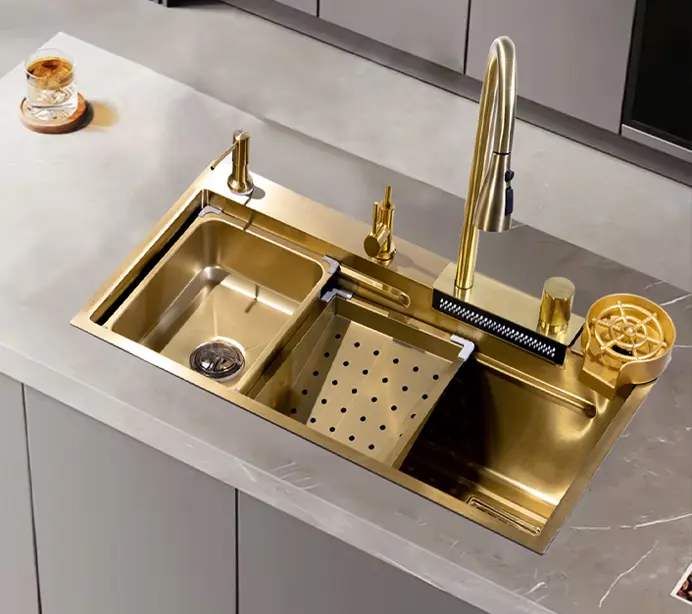
Henan Yigen Kitchen & Bathroom Co., Ltd. is a comprehensive company focusing on the manufacture and trade of handmade sinks, pull-out baskets, drain baskets, toilets, shower heads, etc. We are committed to providing customers with high-quality kitchen and bathroom products, and at the same time provide customers with a variety of customized product solutions in combination with industrial and trade needs.
Our massive 50,000+ square meter factory utilizes modern automated assembly lines. Our dedicated R&D team of 25 technical specialists and 10 designers ensures that every product is engineered for high performance, easy installation, and structural durability.
We provide a comprehensive customization process to serve you at every stage, ensuring a reliable B2B purchasing experience.

Provide ID Design

3D Modeling

Open Real Mold

Confirm Sample

Modify Sample

Sample Testing

Mass Production
How smart integration, modularity, and environmental regulations are shaping the next generation of outdoor cabinetry.
The outdoor living sector is evolving beyond simple modular carts towards fully integrated outdoor kitchens. Procurement managers and real estate developers should monitor several key trends:
Modern outdoor cabinets are increasingly designed to house built-in refrigeration units, ice makers, smart temperature monitors, and integrated LED lighting channels. This requires built-in ventilation grills, sealed electrical conduit entry points, and moisture-protected cable routing paths to ensure safety and system reliability.
With global shipping costs fluctuating, maximizing container space is critical. Advanced factories design their cabinet ranges to ship flat-pack, reducing shipping volume by up to 60%. These modular components are engineered to assemble quickly on-site using interlocking mechanical fasteners, reducing local labor costs.
Unlike wood cabinets that require chemical wood treatments or plastic products that can offgas under high solar heat, stainless steel is fully recyclable and requires no toxic adhesives or sealants. This aligns with LEED certifications and modern green building requirements.
Find direct answers regarding alloy selection, custom options, shipping details, and structural specifications.
Stay updated with our manufacturing advancements, design trends, and global B2B trade updates.
Complete product offerings including temperature-resistant sinks, commercial faucets, and custom-designed kitchen fittings.
 YiGeng