 YiGeng
Sourcing Optimization Guide for Global B2B Buyers
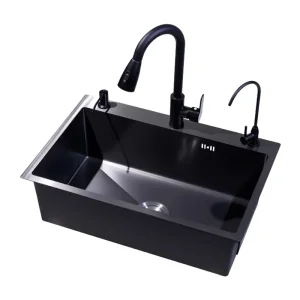
In the competitive landscape of modern construction, real estate development, and institutional facility management, securing reliable, high-performance sanitary ware is essential. The demand for cheap steel basin suppliers and factories has shifted beyond basic cost reduction to encompassing long-term material integrity, technological integration, and customization capabilities. Stainless steel—specifically grades SUS304 and SUS316—remains the gold standard for residential and industrial environments alike. This whitepaper provides a detailed exploration of sourcing mechanisms, modern manufacturing innovations, and critical metrics for assessing prospective manufacturing partners.
1. The Structural Advantages of Chinese Steel Basin Manufacturing
China's dominance in the sanitary hardware supply chain is driven by integrated clusters and advanced infrastructure. Regions like Henan and Guangdong feature specialized industrial ecosystems where raw material processing, precision stamping, surface treatment, and packaging operate in close proximity. This geographic density reduces transport overhead, stabilizes supply lead times, and allows manufacturers like Henan Yigen Kitchen & Bathroom Co., Ltd. to remain competitive without sacrificing product durability.
Furthermore, the integration of automation has changed the factory floor. Robotic welding arms ensure consistent seams on zero-radius handmade sinks, while multi-axis laser cutters minimize raw material waste. By optimizing sheet-metal utilization and using computer-numeric-control (CNC) bending machines, Chinese factories maintain high throughput with minimal structural defects. This level of scaling ensures that bulk buyers benefit from low unit costs while meeting international standards.
“True manufacturing efficiency is not merely about using cheaper materials; it is the systemic elimination of waste, precision engineering, and the utilization of robust automation frameworks to deliver consistent quality at scale.”
2. Evolving Trends: PVD Color Customization and Workstation Sinks
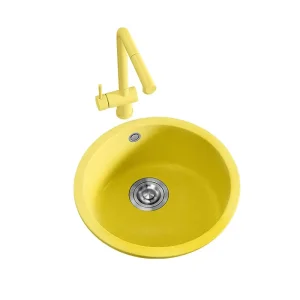
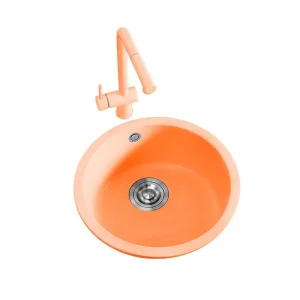
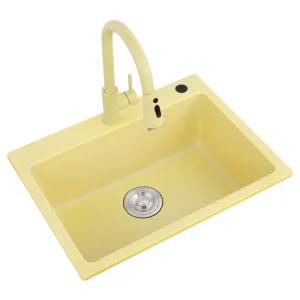
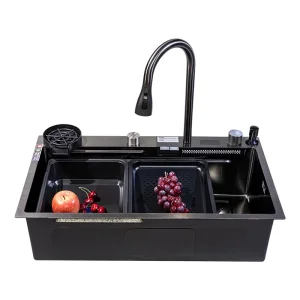
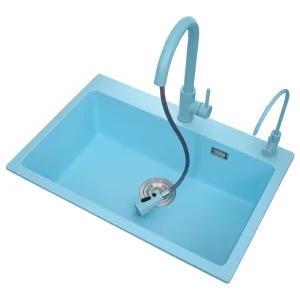
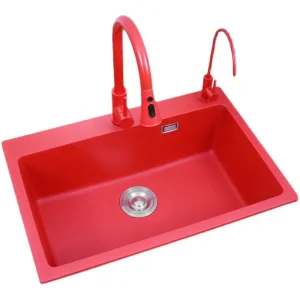
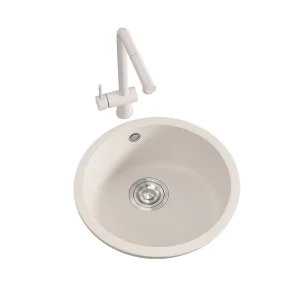
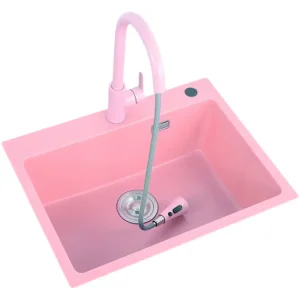
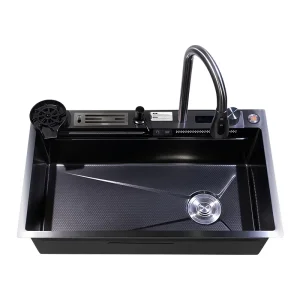
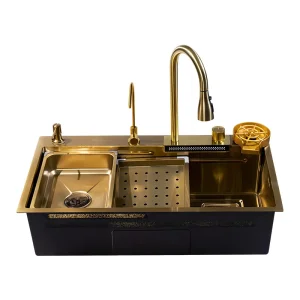
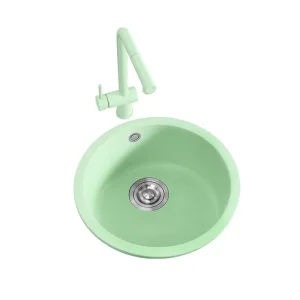
The global sanitary industry is moving away from traditional satin finishes toward custom coatings and multi-functional workstation layouts. User intent data shows a significant increase in searches for colored stainless steel sinks, including unique finishes like Forest Green, Death Barbie Pink, Cream White, and Chinese Red. Physical Vapor Deposition (PVD) technology enables factories to deposit thin, resilient metallic films on steel surfaces, improving scratch resistance and providing diverse color options for custom designs.
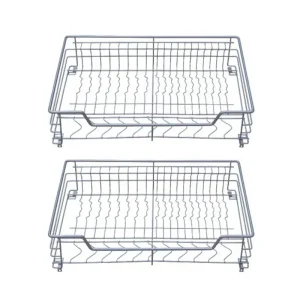
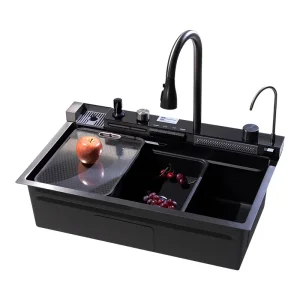
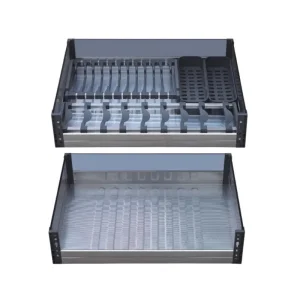
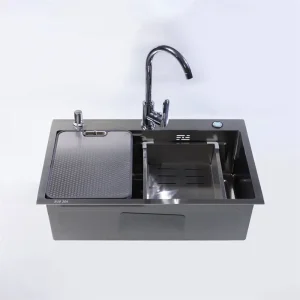
Simultaneously, the demand for "workstation sinks" has turned the basin into an integrated food preparation hub. Sinks are designed with built-in ledges to support sliding cutting boards, colanders, and pull-out baskets. These space-saving additions are popular in modern micro-apartments and metropolitan developments, allowing users to prep, wash, and dry within a single zone.
3. Localized Applications & Commercial Scenarios
Stainless steel basins serve a variety of commercial and institutional settings, each with its own functional requirements:
- Educational and Early Childhood Facilities: Safety is the primary concern for children's restrooms and kindergarten kitchens. Products like the Cream White Children's Sink or the Bee Yellow Kindergarten Sink feature rounded corners, lead-free brass components, and antibacterial coatings to ensure child safety.
- Hospitality and High-Traffic Catering: Commercial kitchens require heavy-gauge (typically 16-gauge or thicker) steel basins that can withstand thermal shock and continuous chemical sanitization. Under-mount configurations with integrated sound-dampening pads help reduce acoustic resonance in high-pressure commercial environments.
- Residential Multi-Family Complexes: Developers seeking to maximize ROI use durable top-mount or flush-mount single-bowl sinks that offer the premium look of handmade products at a reasonable cost.