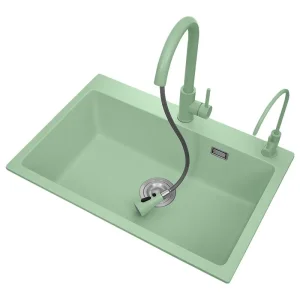
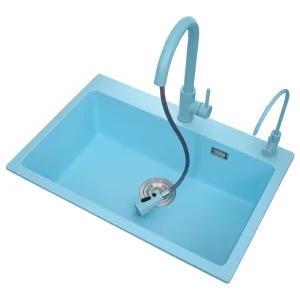
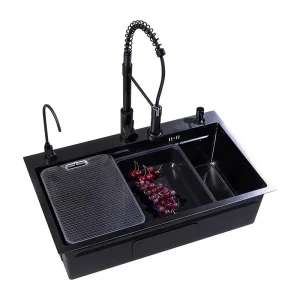
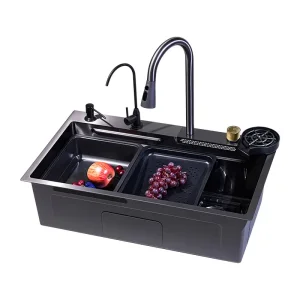
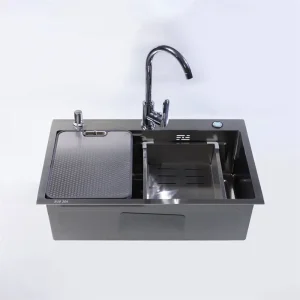
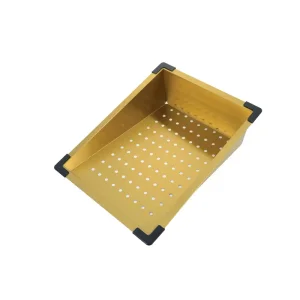
Explore our premium selection of designer sinks, engineering solutions, and architectural hardware custom fabricated for global distribution markets.
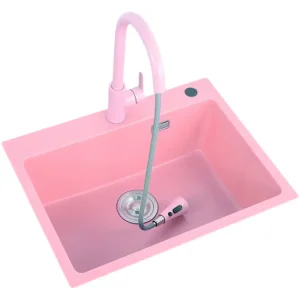
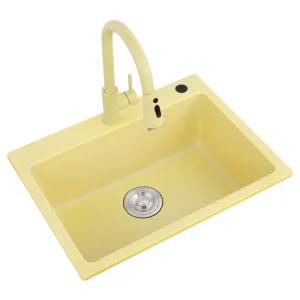
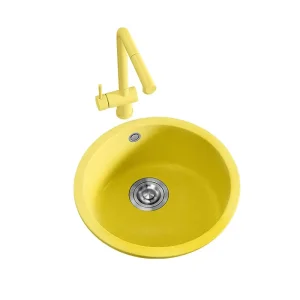 Cheap Bee Yellow Kindergarten Children's Kitchen and Bathroom Sink Supplier, Factories
View Specifications
Cheap Bee Yellow Kindergarten Children's Kitchen and Bathroom Sink Supplier, Factories
View Specifications
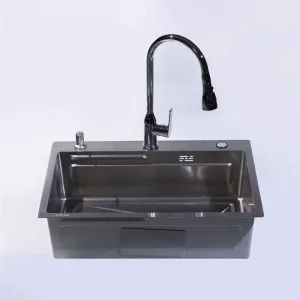
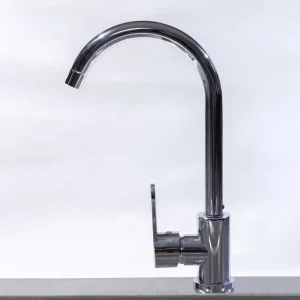
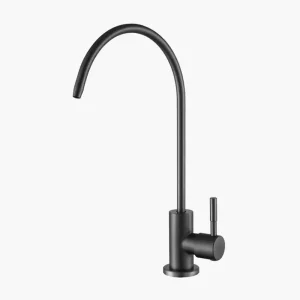 Cheap SUS304 stainless steel straight drink single cold faucet kitchen pure water purifier Suppliers, Factory
View Specifications
Cheap SUS304 stainless steel straight drink single cold faucet kitchen pure water purifier Suppliers, Factory
View Specifications
Based in China's manufacturing heartland, Henan Yigen Kitchen & Bathroom Co., Ltd. operates a highly automated production line ensuring dimensional precision and superior surface finish.
In the contemporary B2B building materials landscape, sourcing high-quality black undermount kitchen sinks requires a comprehensive understanding of China's manufacturing clusters. As modern kitchens shift toward dark, minimalist aesthetics, black undermount sinks have transitioned from a niche luxury product to a high-volume global commodity. Chinese factories have spearheaded this transition by integrating advanced physical vapor deposition (PVD) lines, automated laser-welding systems, and robust quality-control loops.
Chinese factories situated in industrial zones like Henan and Guangdong leverage a highly optimized vertical supply chain. Unlike factories in other regions that rely on imported sheet metal or outsourced plating services, top-tier Chinese manufacturers execute all steps under one roof. This internal integration covers everything from raw SUS304 cold-rolling steel verification, heavy tonnage hydraulic pressing, and laser cutting to the intricate chemical processes involved in black nano-coating. This centralization minimizes transport damages, controls micro-contamination on the metal surface, and keeps pricing highly competitive for international distributors, wholesalers, and real estate developers.
Expert Insight (E-E-A-T): The durability of a black undermount sink is fundamentally determined prior to the coating process. Premier factories utilize 16-gauge or 18-gauge T304 stainless steel with a high nickel-to-chromium ratio (8/18). If the substrate metal contains impurities, the PVD layer will suffer from adhesion failure, leading to peeling or scaling in high-moisture environments.
A primary concern for global buyers sourcing black undermount sinks is longevity. Traditional painted or epoxy-coated sinks scratch easily and are prone to discoloration when exposed to acidic foods. To overcome these limitations, advanced factories employ physical vapor deposition (PVD) paired with a secondary hydrophobic Nano-ceramic coating.
During the PVD process, the stainless steel sink body is placed inside a high-vacuum chamber. Metal alloys (typically titanium or chromium compounds) are vaporized and ionized via electrical discharge. Under the influence of a strong bias voltage, these ionized particles collide with the sink's surface at high speed, creating a microscopic alloy layer that molecularly bonds with the stainless steel. The result is a highly dense coating that is incredibly resistant to wear, corrosion, and oxidation.
Following PVD, the application of a nano-ceramic liquid coating creates a "lotus effect." This technology forms a dense, ultra-smooth boundary layer that increases the liquid contact angle to over 110 degrees. Water droplets, oils, and soap residues roll off the surface effortlessly. This dramatically reduces water spots and calcium buildup, solving the historical maintenance issues associated with matte black kitchen fixtures.
B2B importers, developers, and brands face several bottlenecks when managing supply lines for stainless steel sinks. Chief among these are international standard compliances, package integrity for e-commerce drop-shipping, and trade barrier navigation.
Exporting to North America and Europe demands compliance with strict plumbing standards. Our production processes are engineered to satisfy CUPC (Uniform Plumbing Code), NSF/ANSI 61, CE, and ISO 9001:2015 specifications. This ensures that every sink batch possesses the required material certificates, tensile strength, and lead-free qualifications necessary for smooth custom clearances and building inspections.
E-commerce delivery channels require packaging that can withstand heavy drops. High-quality Chinese factories implement custom molded EPS foam framing, multi-layered corrugated cardboard boxes, and reinforced edge guards. Sinks undergo rigorous drop tests conforming to ISTA-3B and ISTA-6 standards to ensure that corners and undercoatings arrive at their destination without deformation or denting.
To assist global buyers navigating high import tariffs on Chinese steel, top manufacturers offer flexible production arrangements. This includes providing complete documentation, transshipment options through cooperating logistics hubs in Southeast Asia, and optimized HTS (Harmonized Tariff Schedule) coding. We aim to maximize compliance while protecting B2B profit margins.
Understanding user intent and localized design trends is key to capturing market share. Black undermount sinks are not universally integrated in the same fashion; rather, installation layouts depend heavily on the target property demographic and geographic region.
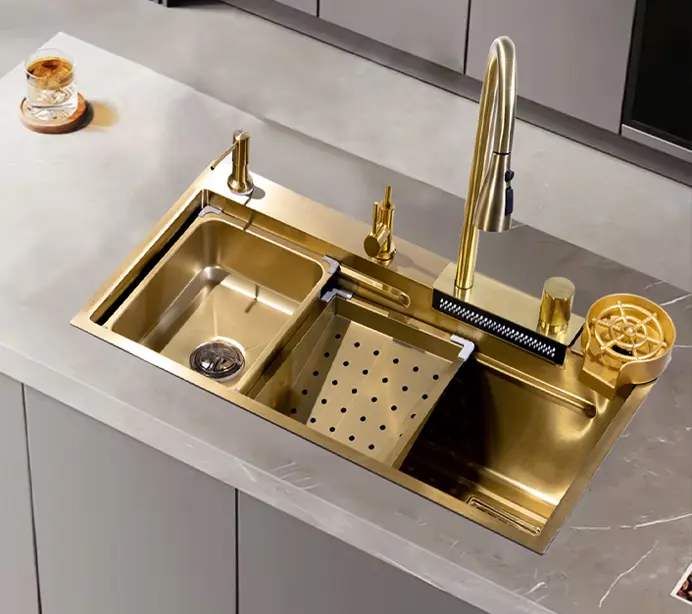
Henan Yigen Kitchen & Bathroom Co., Ltd. is a leading Chinese manufacturer specializing in high-grade kitchen solutions. By integrating state-of-the-art sheet metal processing, high-tonnage hydraulic deep-drawing presses, automated welding lines, and eco-friendly surface treatment systems, we deliver customizable product solutions that meet the evolving standards of international markets.
From initial design concepts to high-volume manufacturing, we help global buyers optimize their supply chains, reduce lead times, and maintain the highest levels of quality control.
Our standardized engineering workflow guarantees that from initial idea to mass shipment, every phase is controlled by precision checkpoints.

1. Provide ID Design

2. 3D Modeling

3. Open Real Mold

4. Confirm Sample

5. Modify Sample

6. Sample Testing

7. Mass Production
Stay informed with technical research, international design movements, and pricing updates straight from our engineering team.
Analyzing the integration of touchless sensor faucets, integrated digital temperature readouts, and multi-layered functional ledges within commercial and high-density residential developments.
When designing a modern kitchen, the sink often takes center stage. Known as the heart of the kitchen, we explore the mechanical requirements of new nano-coated stainless steel surfaces.
The global sink market, encompassing kitchen and bathroom sinks, continues to experience dynamic growth, driven by adjustments in material sciences and changing consumer aesthetic tastes.
Explore the rest of our premium product range, fabricated with premium materials to provide lasting value for international distributors and developers.
Our vision is to create high-quality, long-lasting products for every customer through dedicated craftsmanship and unique design, adhering to the principles of integrity and customer service first. We are committed to meeting the diverse needs of customers, continuing to push technical boundaries, and eventually establishing ourselves as a world-renowned brand in the kitchen and bath industry.
 YiGeng