 YiGeng




Strategic Whitepaper: Engineering High-Quality Kitchen Infrastructure
The modern architectural landscape demands more than simple aesthetics; it mandates absolute functional resilience, spatial efficiency, and material integrity. In high-density urban residential blocks, hospitality projects, and commercial spaces, kitchen work areas represent critical infrastructural investments. As a globally recognized leader in direct-to-factory supply, Henan Yigen Kitchen & Bathroom Co., Ltd. presents this analytical look into the manufacturing realities, commercial demands, and technological horizons of the integrated kitchen fixture industry.
1. The Global Landscape of Kitchen and Sanitary Sourcing
The global demand for integrated kitchen solutions has shifted dramatically from individual component purchases to comprehensive, pre-engineered workstations. The rise of multi-family high-rises in North America, high-end modular developments in Europe, and booming hospitality sectors in the Middle East drive the need for precision-manufactured kitchen setups. Real estate developers and MEP (Mechanical, Electrical, Plumbing) consultants are increasingly looking for supplier integration. A supplier that can deliver certified faucets, high-temperature resistant sinks, pull-out storage systems, and specialized sound-deadening drainage assemblies under a single supply agreement minimizes logistics friction and guarantees design consistency.
Additionally, the globalization of construction codes requires manufacturing partners to strictly adhere to country-specific standards. For example, North America mandates CUPC certification and NSF lead-free compliance, Europe relies heavily on CE and EN standards, and Australia enforces the WaterMark certification process. A factory must have the testing infrastructure to guarantee that all products meet these guidelines before loading them into ocean freight containers.
2. The Chinese Kitchen Manufacturing Advantage: Scale and Advanced Engineering
Mainland China remains the premier manufacturing base for kitchen and bathroom hardware. This leadership is not merely due to labor scale, but because of massive industrial clusters, advanced automation, and sophisticated supply chains. A 50,000-square-meter facility, like our plant at Henan Yigen, acts as a highly optimized ecosystem. Automated laser-cutting tools, precision robotic welding stations, and specialized PVD (Physical Vapor Deposition) coating chambers process raw steel coils into finished products with minimal dimensional variation.
Furthermore, local supply chain integration ensures that accessories—such as soundproofing pads, silicone drainage rings, high-dampening drawer slides, and lead-free ceramic cartridges—are sourced, tested, and assembled within the same industrial zone. This clustering keeps production costs competitive while allowing for custom OEM configurations that would be cost-prohibitive in Western markets. The result is a streamlined production process capable of handling both large-scale commercial orders and highly customized, boutique developments.
3. Localized Application Scenarios: Meeting Specific Regional Requirements
A major pitfall in global sourcing is ignoring the local installation requirements and user habits of different regions. A product that performs well in a spacious North American suburban home may not be suitable for a compact micro-apartment in Central London or a high-traffic hotel kitchen in Dubai.
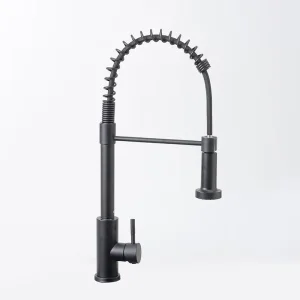
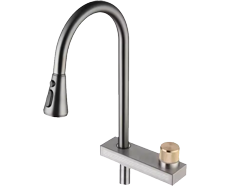
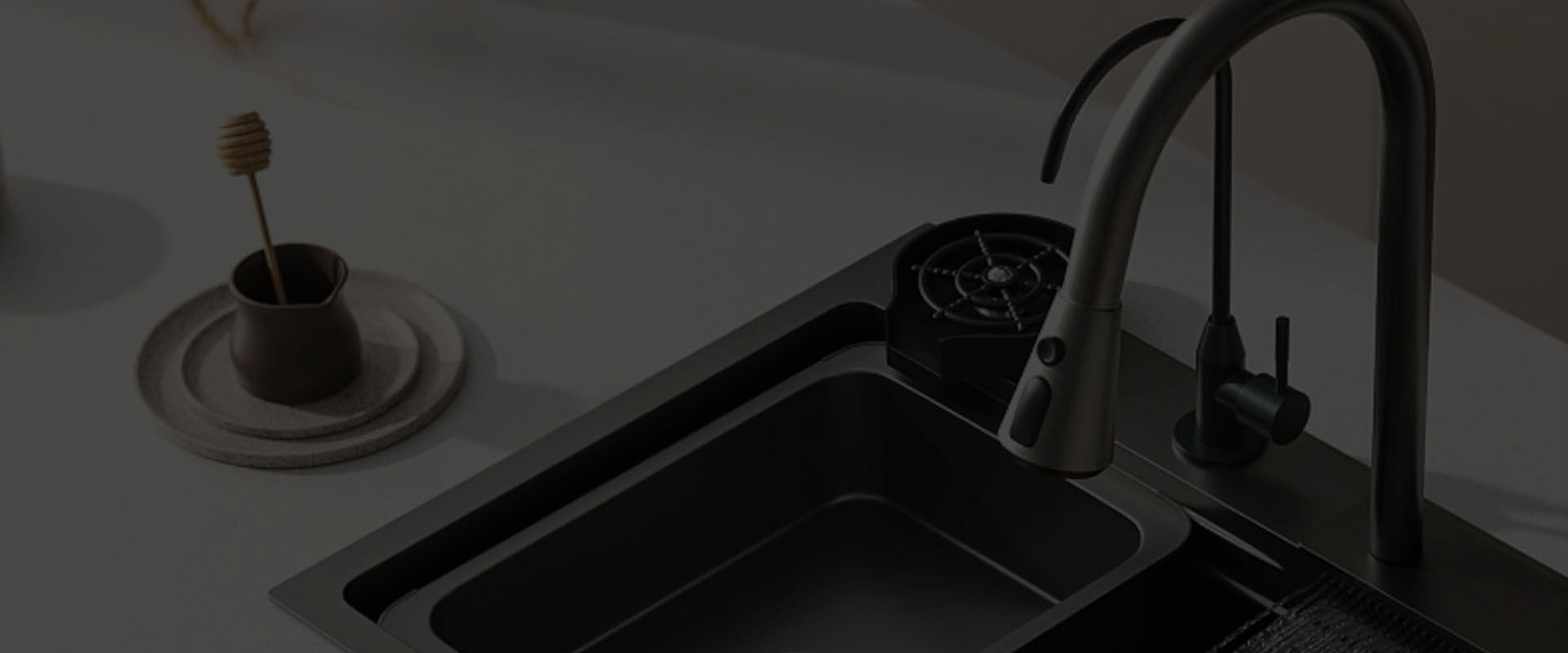
- North American Workstations: Demand focuses heavily on double-bowl under-mount sinks, compatibility with high-torque garbage disposals, and flexible, pull-out telescopic faucets with high GPM (Gallons Per Minute) flow rates. Materials must withstand harsh dishwashing detergents and high thermal shock.
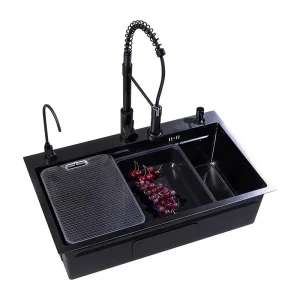
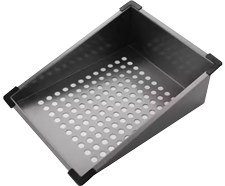
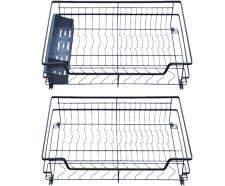
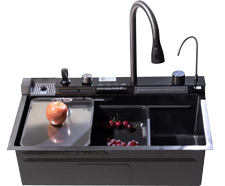
- European Space Optimization: European projects frequently require single-bowl configurations with integrated drainboards, custom accessories (like sliding colanders and cutting boards), and compact under-sink organizer pull-out systems. These setups must fit within standard 60cm cabinet modules without wasting space.
- Middle Eastern Commercial and Multi-Generational Kitchens: These projects require deep, heavy-gauge sinks with excellent corrosion resistance. This is especially true in coastal regions where high humidity and salinity require superior steel grades and durable surface finishes.
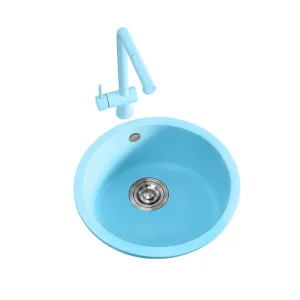
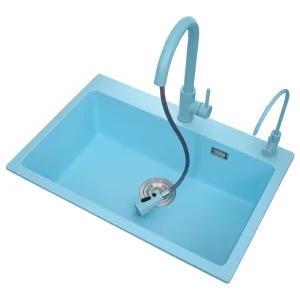
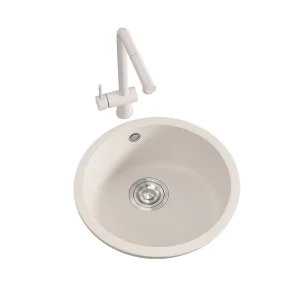
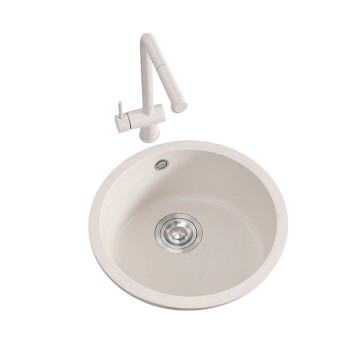
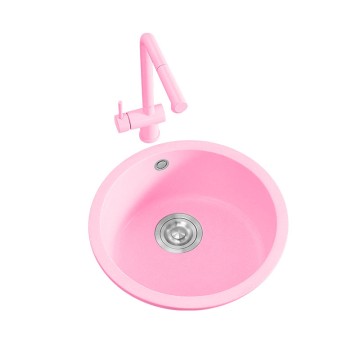
- Institutional and Childcare Facilities: As shown by our specialized children's blue and cream-white sinks, educational and childcare facilities require scaled-down, highly sanitary, and visually distinct setups. These fixtures must feature rounded safety edges, child-friendly heights, and non-porous surfaces to meet strict hygiene regulations.
4. Material Innovation: Elevating Stainless Steel and PVD Finishes
High-quality stainless steel sinks rely on the quality of their raw materials. The standard is SUS304 food-grade stainless steel, containing 18% chromium and 8% nickel. However, the manufacturing process—whether drawing, stamping, or hand-folding—directly impacts the material's properties. Hand-welded sinks use thicker sheets (typically 16-gauge or 18-gauge) to prevent thin corners and keep structural integrity consistent throughout the basin.
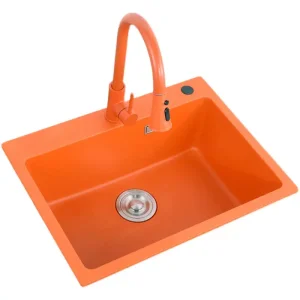
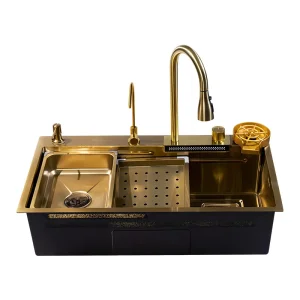
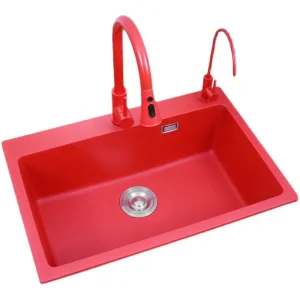
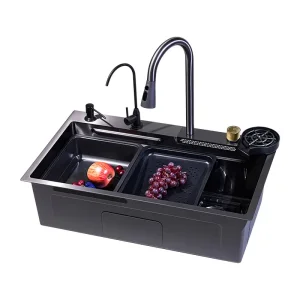
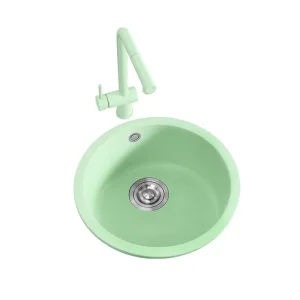
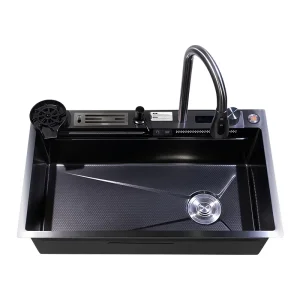
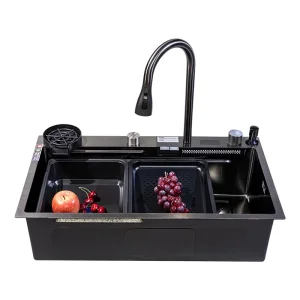
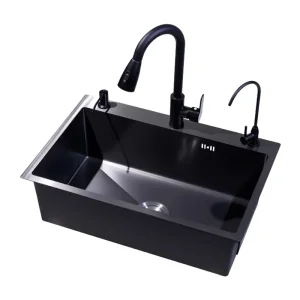
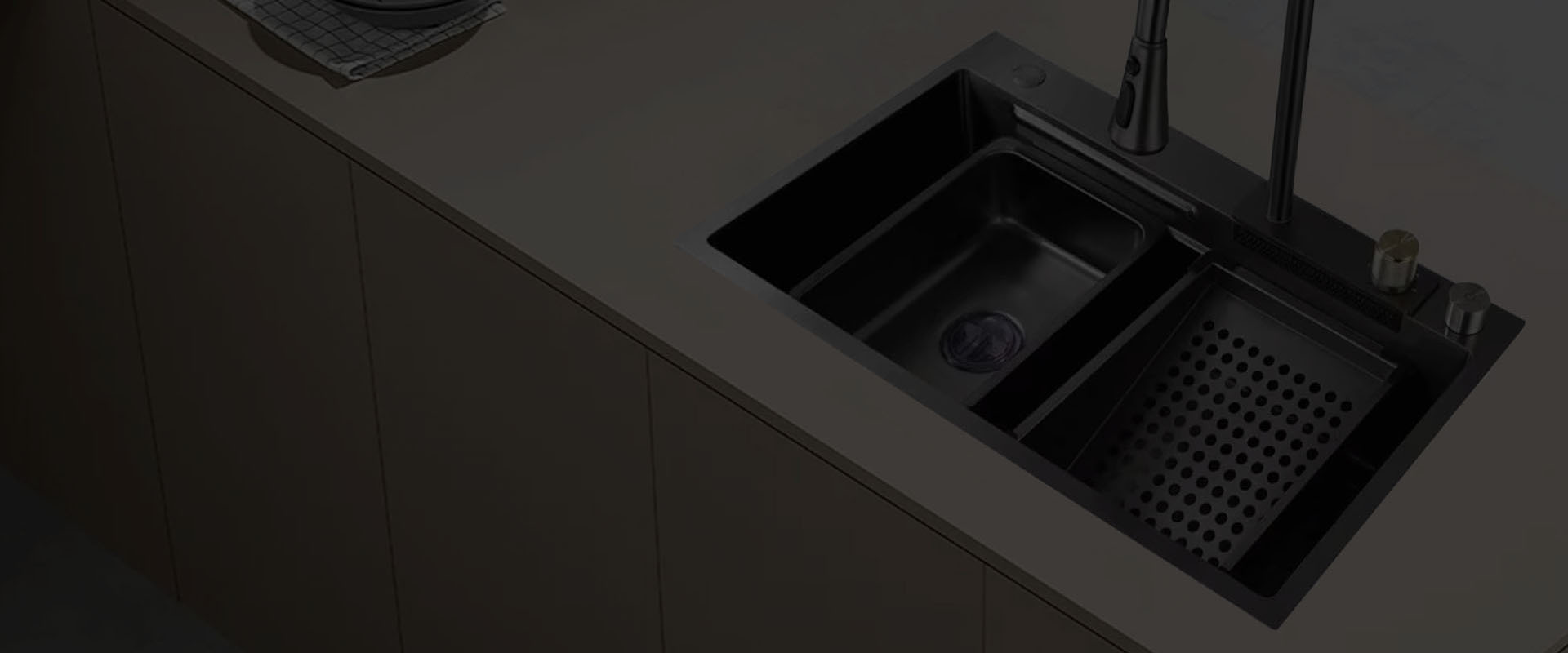
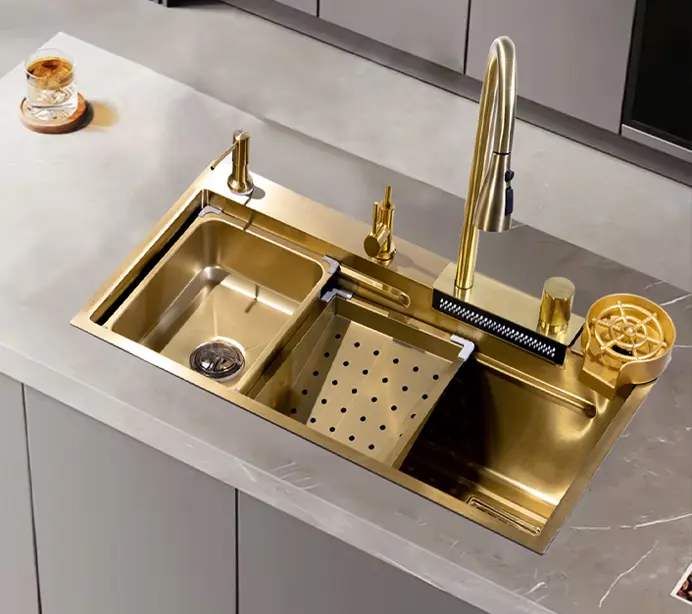
The introduction of PVD (Physical Vapor Deposition) coating technology has revolutionized modern design possibilities. PVD technology applies a thin, hard ceramic layer at the atomic level, providing distinct colors such as gold, rose gold, graphite black, and even custom shades like Hermes Orange or Forest Green. This layer is highly resistant to scratches, wear, and oxidation. It creates a hydrophobic surface that repels water spots and grease, making it easy to clean and maintain in busy commercial kitchens.
5. Strategic B2B Sourcing: Mitigating Risk and Maximizing Supply Chain Security
For procurement professionals, choosing a factory partner requires evaluating risk mitigation and quality control standards. Working directly with an integrated manufacturer provides several key advantages:
- Direct Engineering Collaboration (OEM/ODM): Buying direct allows for custom design adjustments. Whether you need to modify faucet heights, adjust drain positions for complex plumbing layouts, or design custom packaging, direct contact with factory engineers reduces design errors and speeds up production.
- Strict Quality Assurance (QA): High-end manufacturers perform comprehensive testing, including salt spray tests for plating durability, hydraulic pressure checks for faucets, and impact testing for undercoatings. These steps ensure zero-defect delivery and prevent costly project delays.
- Logistics Coordination: An experienced export factory manages packaging configurations, container loading, and customs documentation. Proper palletization prevents denting during shipping, saving time and money during the final installation phase.