Explore our flagship catalog featuring precision-engineered premium double sinks, commercial-grade pull-out faucets, and kitchen organizing solutions.
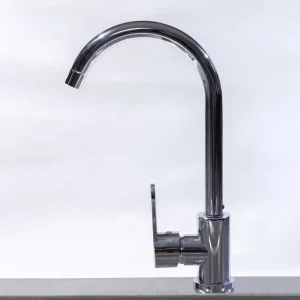
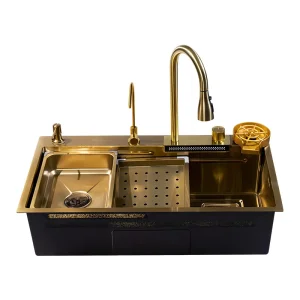
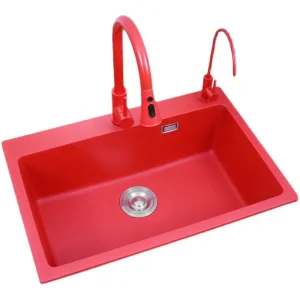
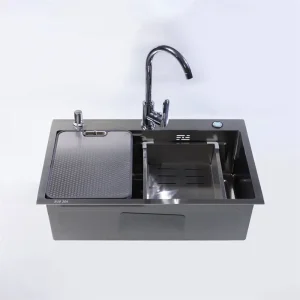
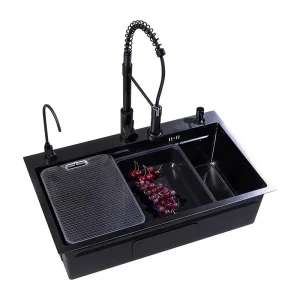
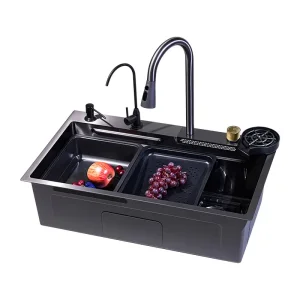
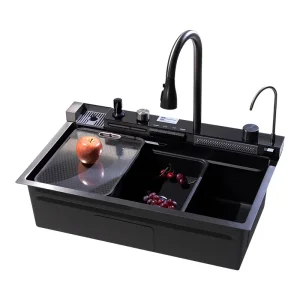
In modern architectural design and high-volume commercial construction, the choice of sanitaryware fixtures is no longer a mere aesthetic consideration. It represents a critical juncture of material longevity, systemic ergonomics, and building operations efficiency. Among these installations, the stainless kitchen double sink serves as a primary hub for culinary workflows, demanding a deep understanding of metallurgy, mechanical stamping, noise abatement engineering, and supply chain logistics during B2B procurement cycles.
Historically, domestic and commercial kitchens relied heavily on single-basin deep fireclay or cast-iron units. However, the global modernization of kitchen designs has established the double-basin configuration as an operational benchmark. The separation of cleaning and sanitization workflows is crucial for meeting food safety protocols in commercial installations and streamlining domestic tasks in residential projects.
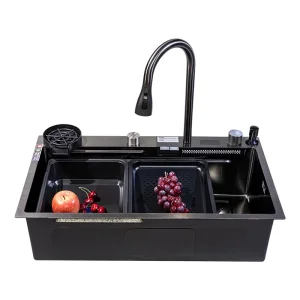
Modern architecture now prioritizes high-productivity workstations. A high-quality stainless kitchen double sink functions as an integrated platform. Factories are shifting from standard basins to engineered systems that feature precision-milled ledge tracks. These tracks host customizable accessories, including sliding colanders, integrated hardwood cutting boards, and roll-up drying racks. This functional integration saves valuable counter space while improving overall kitchen efficiency.
To evaluate the structural integrity and corrosion resistance of a double sink, procurement engineers must analyze the underlying chemical properties of the steel. Premium double sinks are constructed from AISI 304 or AISI 316 austenitic stainless steel. The alloy composition determines the sink's resistance to corrosion, rust, and thermal stress:
Beyond the alloy type, the gauge thickness determines overall durability. Industrial and high-end residential applications require 16-gauge or 18-gauge steel, measuring approximately 1.5mm to 1.2mm in thickness. Thicker gauge steel absorbs vibration, dampens noise from heavy cookware, and resists denting from high-impact events.
Engineered with 18/10 Chromium-Nickel composition to deliver superior protection against corrosive agents, rust, and acidic food residues.
Utilizes physical vapor deposition (PVD) to fuse metallic molecules onto the sink's surface, creating custom, wear-resistant, anti-scratch color finishes.
Heavy-duty, undercoated rubber pads absorb structural resonance and reduce water-splashing noise, maintaining a quiet, premium kitchen environment.

Henan Yigen Kitchen & Bathroom Co., Ltd. is a modern kitchen and bathroom manufacturer. The company is committed to providing customers with high-quality kitchen and bathroom products, and provides customized product solutions combining industry and trade needs. Our business spans domestic platforms and cross-border trade, serving thousands of overseas buyers.
Through technological innovation, we integrate smart automation into traditional metal fabrication. This integration helps maintain stable lead times and consistent product quality across bulk wholesale runs. Our 25 technical R&D and 10 design specialists create double-basin kitchen layouts that address modern B2B sourcing challenges, including soundproofing, anti-condensation coatings, and structural integrity under stress.
The manufacturing process of high-quality stainless kitchen double sinks has transitioned from labor-intensive manual assembly to automated smart production. Known as Factory 4.0, this model integrates advanced laser-welding systems, computerized deep-drawing presses, and automated CNC polishing stations. This technological shift enables high volume output while maintaining tight dimensional tolerances (+/- 0.5mm), which is critical for undermount double sink configurations that require precise countertop cutouts.
Factory 4.0 provides key production advantages:
These processes ensure that double sinks maintain their structural integrity and appearance over decades of heavy kitchen use.
Examine the categories developed to serve diverse application scenarios in residential development, commercial hospitality, and smart-home projects.
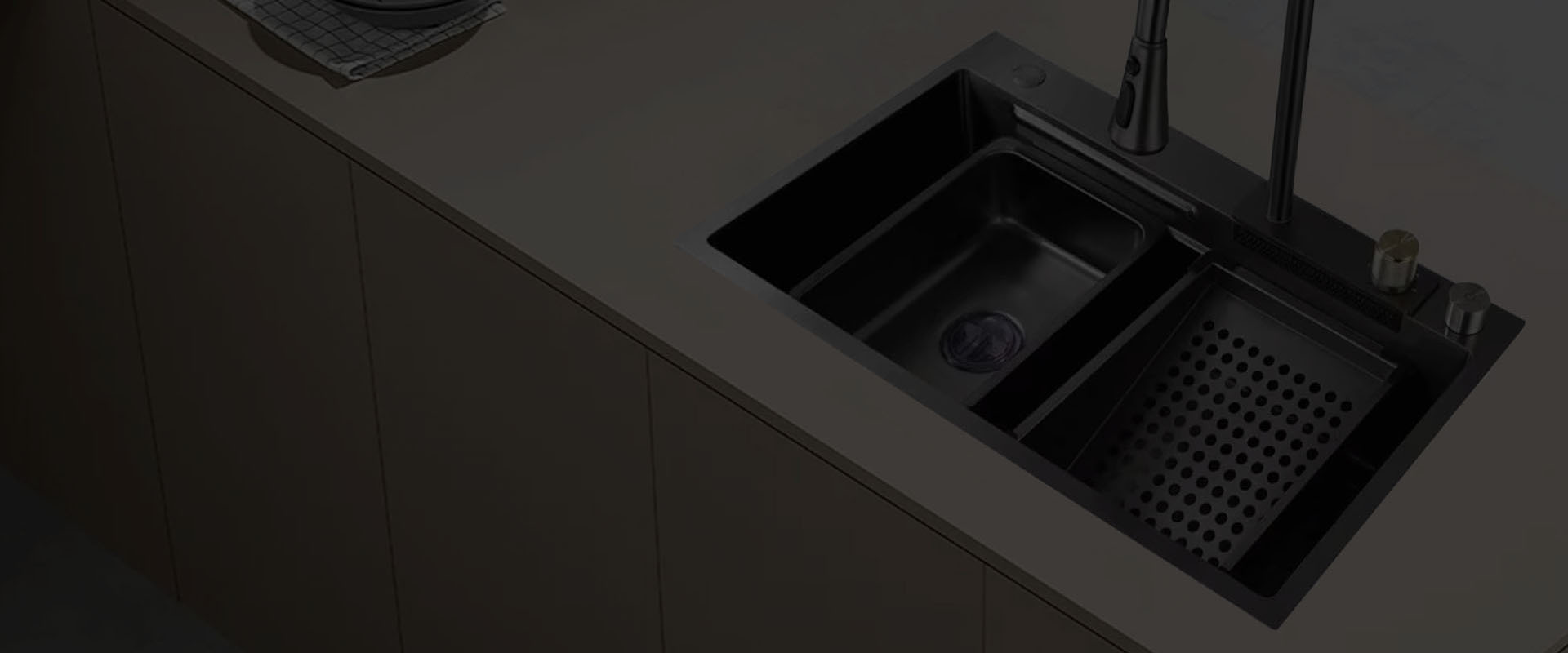
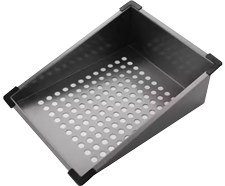
Daily life starts from the kitchen. Custom stainless drain baskets and accessories fit the inner ledger tracks of our double sink products perfectly.
Learn More →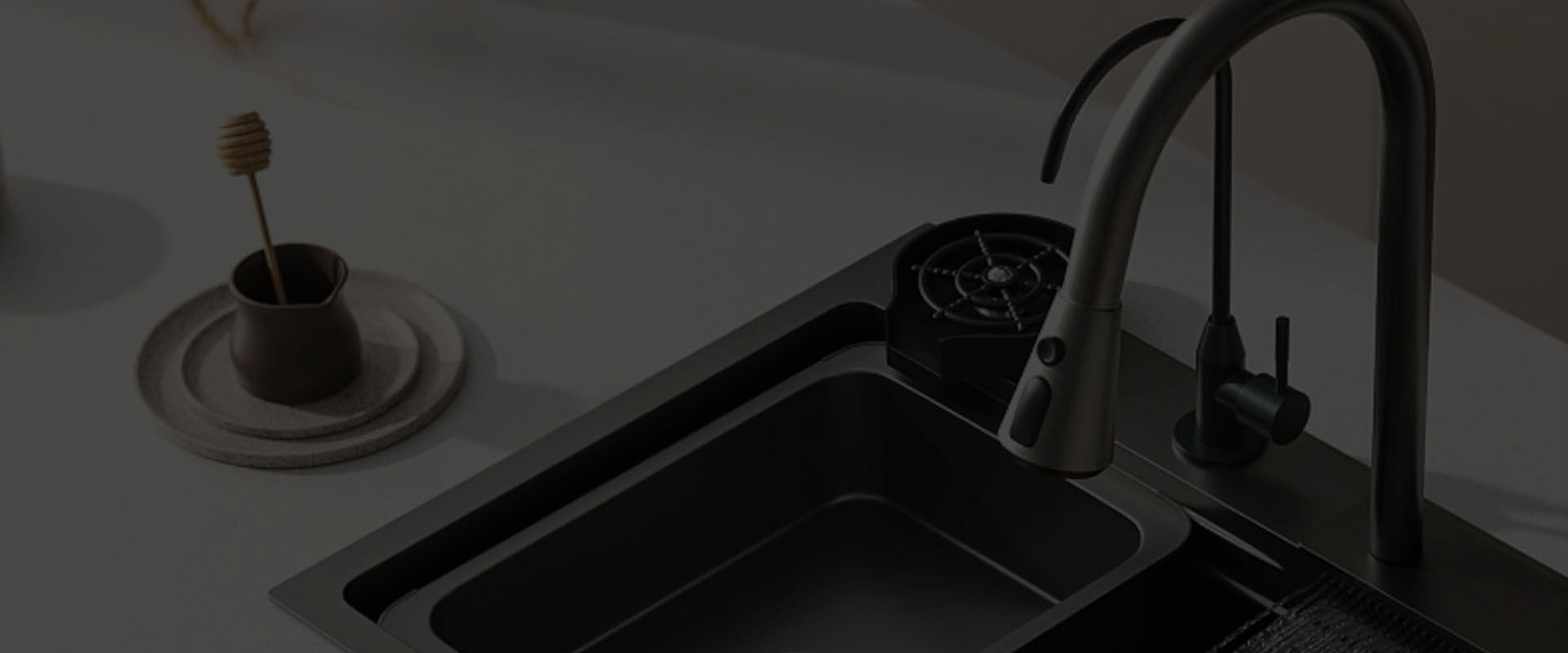
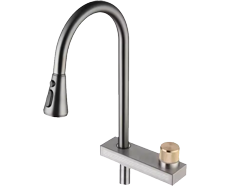
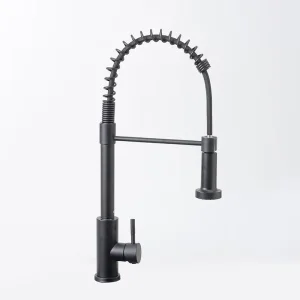
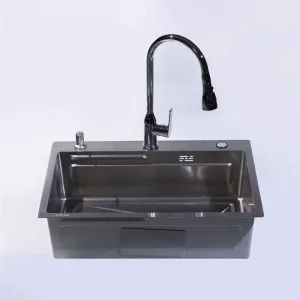
Daily life starts from the kitchen. Our range of pull-out faucets and hot/cold water mixers provide durable flow control and pair with our double-basin systems.
Learn More →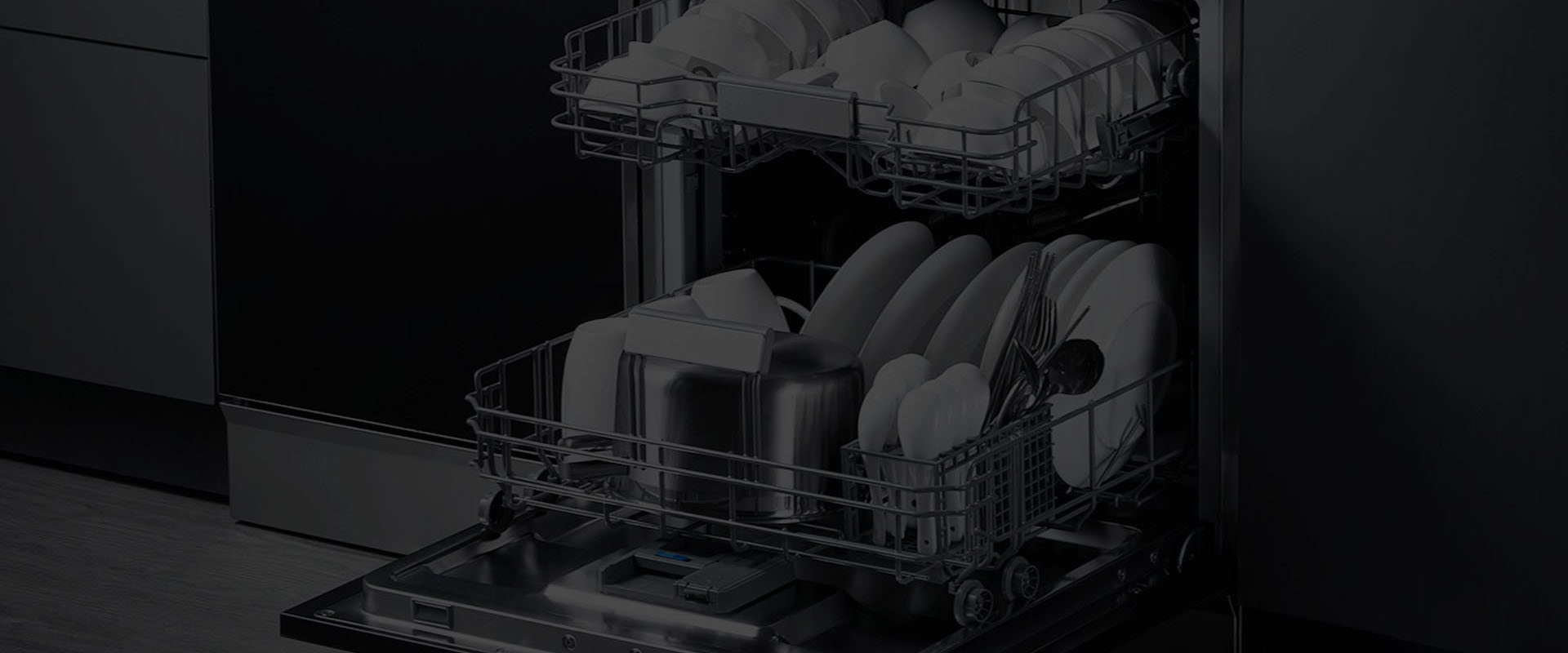
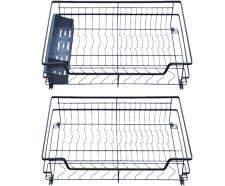
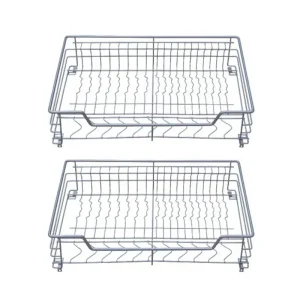
Daily life starts from the kitchen. Flat-steel under-cabinet pull-out baskets and pantry storage solutions organize spaces, making cooking tasks easier.
Learn More →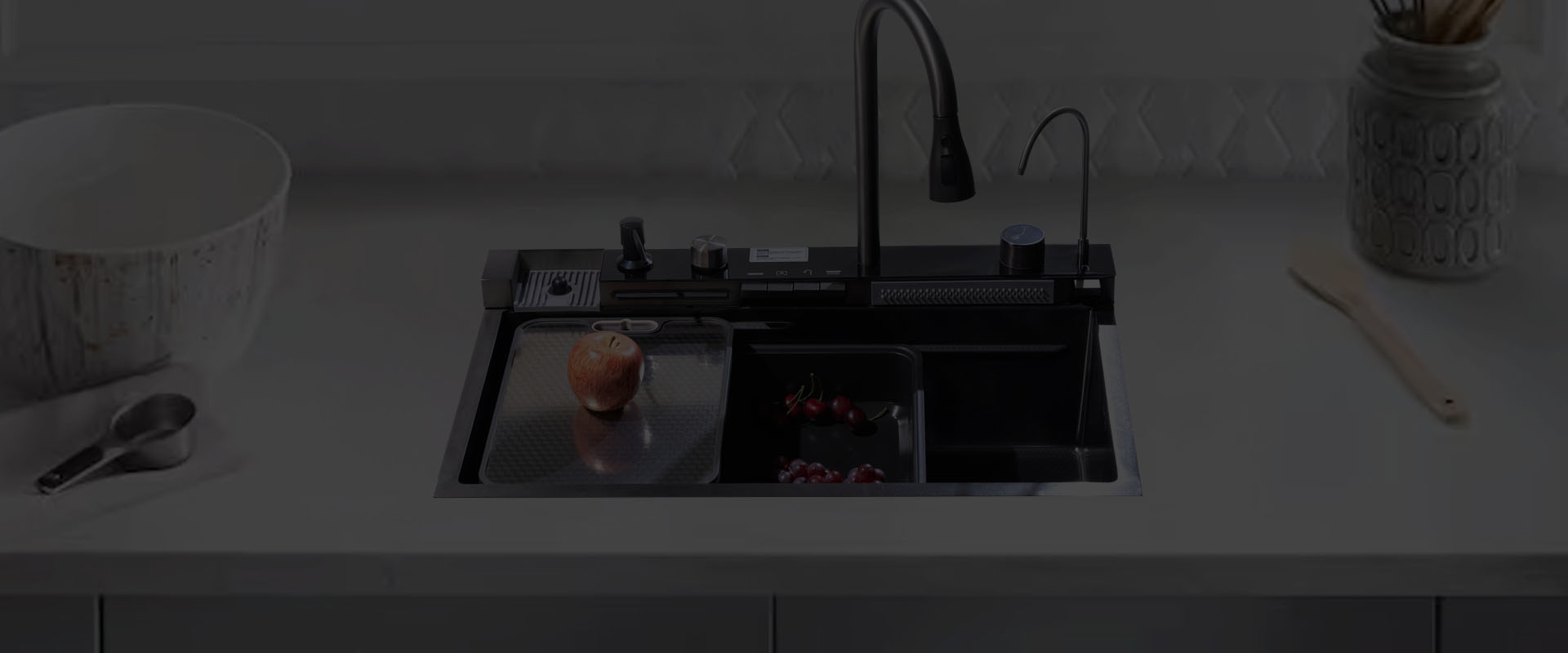
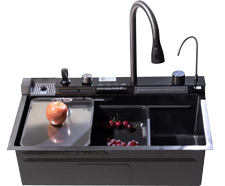
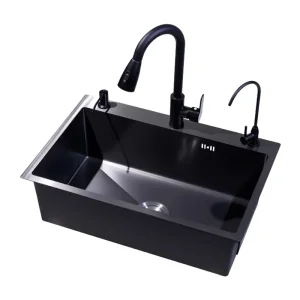
Daily life starts from the kitchen. High-grade SUS304 double sinks with deep basins, custom soundproofing, and integrated ledge systems.
Learn More →B2B procurement of stainless steel kitchen products requires managing complex global trade factors. Global buyers face challenges like rising freight costs, changes in import tariffs, and product defect risks. Importers can address these challenges by partnering with factory-direct manufacturers that offer comprehensive quality control systems.
Key strategies for managing international sourcing risks include:
By establishing clear product specifications and quality benchmarks, global buyers can protect their supply chains and ensure consistent product performance.
The performance of a double sink depends on its suitability for specific environments. Commercial and residential installations have distinct requirements:
Commercial Kitchens & Hospitality: Heavy usage requires large, thick-gauge double-basin setups. SUS316 configurations are often preferred in these environments to withstand chemical sanitation routines and prevent localized pitting.
Multi-Family Developments: For high-density projects, developers require cost-effective, standard sizes (like 33-inch undermount models) that deliver reliable performance. These projects prioritize simple installation and anti-scratch finishes to minimize maintenance needs.
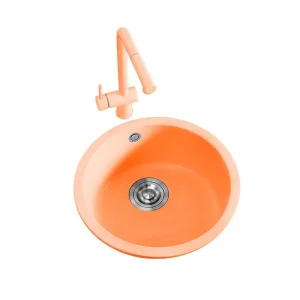
Custom Architectures: High-end residential designs often feature visual statements, such as PVD colored finishes (gold, rose gold, gunmetal black) and apron-front designs. These finishes combine visual appeal with heavy-duty structural durability.
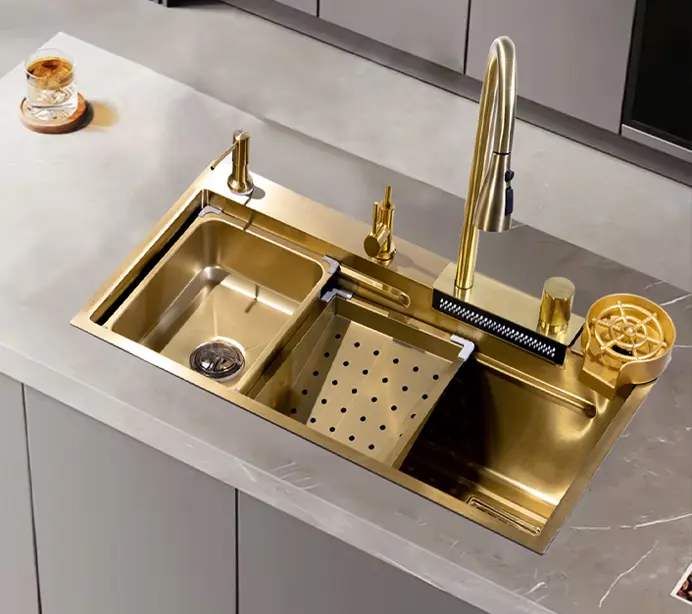
Henan Yigen Kitchen & Bathroom Co., Ltd. is a comprehensive company focusing on the manufacture and trade of handmade sinks, pull-out baskets, drain baskets, toilets, shower heads, etc. We are committed to providing customers with high-quality kitchen and bathroom products, and at the same time provide customers with a variety of customized product solutions in combination with industrial and trade needs.
Explore Full CatalogWe have a complete customization process to serve you throughout the entire process, bringing you a good shopping experience

Provide ID design

3D Modeling

Open real mold for sample

Customer confirm sample

Modify sample

Sample testing

Mass production
Get answers to common technical, metallurgical, and shipping questions for global B2B procurement of commercial-grade double sinks.
Insights into material costs, regional design trends, and advancements in kitchen manufacturing technology.
Explore changes in global alloy markets and how new processing methods are helping manufacturers produce stronger sinks with less material waste.
Read Article →Analyzing how double-basin configurations are adapting to modern home layouts, where the kitchen serves as both a food prep area and a social space.
Read Article →Reviewing import demand changes in North America and Europe, with a focus on smart multi-functional workstations and eco-friendly hardware.
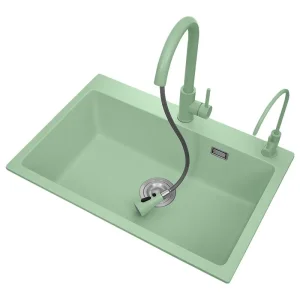
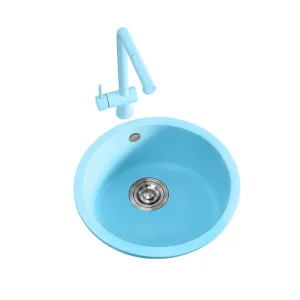
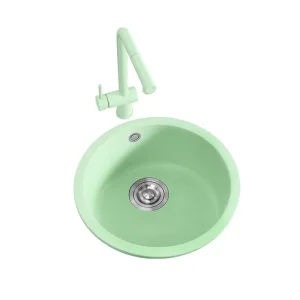
Read Article →Browse our selection of color-coated, customizable, and heavy-duty sink products designed for residential and commercial spaces.
Our vision is to create high-quality products for every customer through exquisite craftsmanship and unique design, adhere to the principles of integrity and customer service first, and meet the diverse needs of customers. At the same time, we will continue to move forward and eventually become a world-renowned brand.
 YiGeng