Premium customized child-centric bathroom and kitchen sinks designed to elevate sanitation standards in classrooms, daycares, and public facilities.
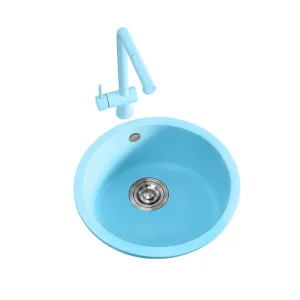
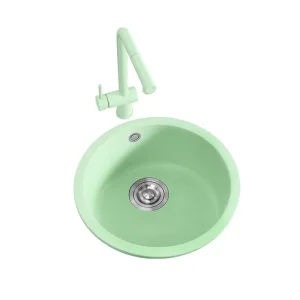
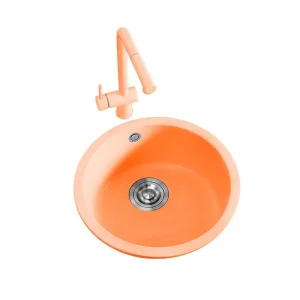
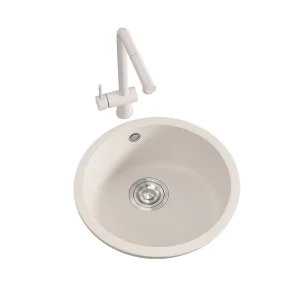
In recent years, Nepal has made significant strides in upgrading its educational and commercial infrastructure. The government's emphasis, alongside international non-governmental organizations (INGOs) like UNICEF, on implementing robust WASH (Water, Sanitation, and Hygiene) programs has transformed sanitary requirements in schools, childcare facilities, and public spaces across Kathmandu, Lalitpur, Pokhara, and Biratnagar.
Historically, sanitaryware in Nepal was designed primarily for adults, forcing early childhood educators and facility managers to use improvised, unsafe step-stools or poorly positioned washbasins. These sub-optimal solutions pose physical safety risks to children and fail to foster independent hygiene practices. Today, local real estate developers, educational entrepreneurs, and government purchasing departments recognize the critical need for purpose-built, ergonomic Children's Sinks that are durable, non-toxic, and accessible.
With urbanization rapidly shifting young families towards multi-story residential apartments and premium early-learning academies in Lalitpur and Pokhara, developers are targeting child-friendly home designs. Installing customized children's small bathroom sinks is no longer a luxury—it is a mandatory compliance feature for modern pre-schools and high-density commercial retail spaces aiming to secure local building approvals and safety ratings.
On a global level, child-friendly sanitaryware has evolved from standard miniaturized porcelain to highly specialized, anti-microbial, impact-resistant materials. The Western markets (Europe and North America) have set strict parameters for ADA (Americans with Disabilities Act) compliance, lead-free glazes, and physical design features such as smooth radius corners (R-angles) to prevent contact-based injuries.
Internationally, key commercial projects are demanding high-color integration—shifting away from sterile hospital-white to cognitive-stimulating colors like sea blue, forest green, and bee yellow. Research indicates that colorful, reachable sanitary installations increase child engagement with hand hygiene by over 40%, drastically reducing the transmission of pathogens within large institutions.
For Nepalese buyers, sourcing premium sanitaryware locally presents significant challenges due to limited local high-temperature ceramic firing facilities and high raw material import tariffs. This is where the advanced manufacturing capacity of Chinese factories offers unmatched structural advantages.
By leveraging advanced automation, high-pressure casting lines, and integrated quality control mechanisms, Chinese factories produce premium quality, lead-free children's sinks at a fraction of the cost of European equivalents. This allows Nepalese distributors, municipal contractors, and developers to acquire high-standard products without exceeding budget constraints.
Henan Yigen Kitchen & Bathroom Co., Ltd. stands at the forefront of this industrial trade corridor, operating with world-class production capacity to fulfill bulk municipal and customized commercial projects for the Nepalese market.
Plant Area (sqm)
Production Workers
Technical R&D Staff
Design Department
Understanding the unique infrastructure ecosystem of Nepal allows us to engineer products that address local plumbing, water storage, and aesthetic demands.
From modern private Montessori schools in Lalitpur to public primary schools undergoing WASH upgrades in Gandaki Province, installing low-height, brightly colored ceramic sinks increases kids' handwashing frequency. Our small-footprint designs fit compact school washrooms perfectly.
Hospitals and clinics in Kathmandu (e.g., Kanti Children's Hospital) require strict hygiene protocols. Our anti-bacterial glazed cream white sinks feature touchless configurations to prevent cross-contamination in patient-facing areas.
Urban shopping malls and indoor play centers in Pokhara and Lalitpur require robust sanitary options. These high-traffic zones benefit from our impact-resistant composite and colored glass designs, which handle heavy daily wear without losing structural integrity.
We provide a seamless, end-to-end customization process designed to deliver precise sanitation systems from our factory straight to your project site in Nepal.

1. Provide ID Design

2. 3D Modeling

3. Open Real Mold

4. Client Confirm

5. Modify Sample

6. Sample Testing

7. Mass Production
As the international community converges on sustainable infrastructure, the child-specific sanitary sector is experiencing rapid technological evolution. Global developments now focus heavily on water conservation, leading to the integration of low-flow aerators that maximize pressure while reducing water consumption by up to 50%—a critical consideration for cities in Nepal facing dry-season water constraints.
Additionally, modern production lines are incorporating anti-fouling coatings that prevent mineral scale deposits. Given the high iron and mineral content of municipal water lines in areas like Kathmandu, our specialized glaze technology ensures that the porcelain remains bright and sanitary for decades with minimal maintenance.
Procuring commercial-grade children's sinks requires strict verification of testing standards. Buyers in Nepal should prioritize the following variables when drafting their tender requests:
Get answers to common logistics, customisation, and quality assurance questions regarding the import of children's sinks to Nepal.
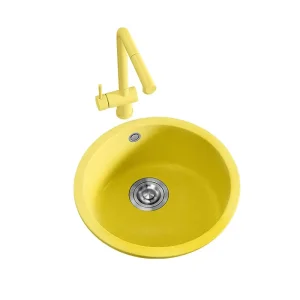
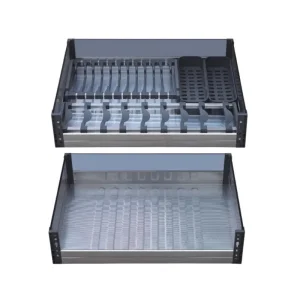
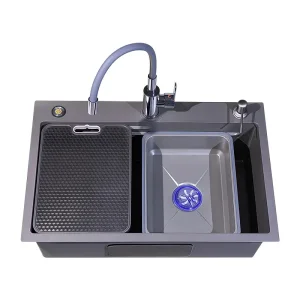
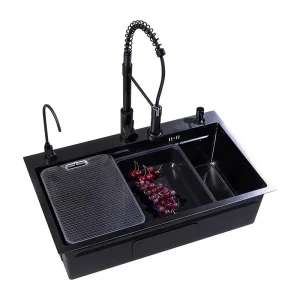
Explore our complete manufacturing selection, designed for durability, ease of maintenance, and high performance in commercial facilities throughout Nepal.
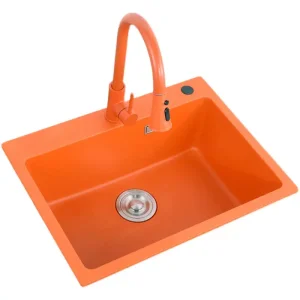

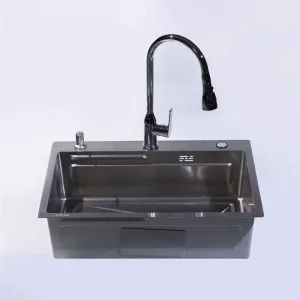
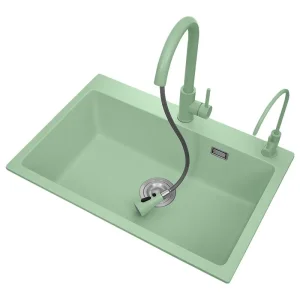
Get in touch with our engineering and design team to receive a detailed quote, custom drawing templates, and customized shipping options tailored specifically for projects in Nepal.
Send Inquiry Now YiGeng