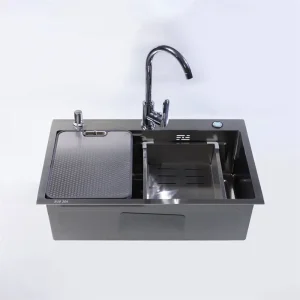
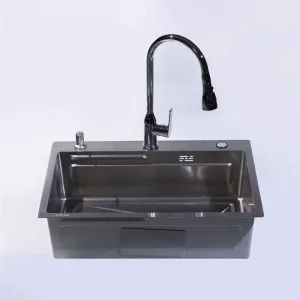
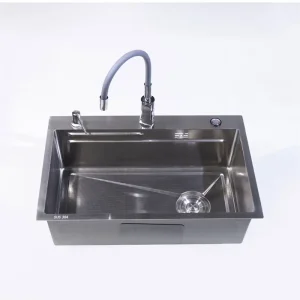
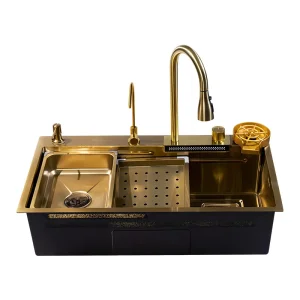
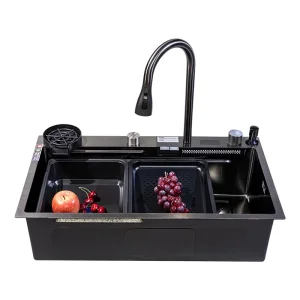
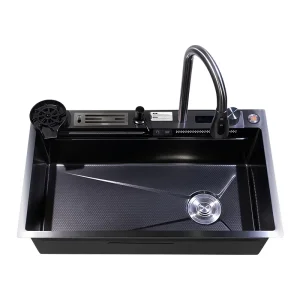
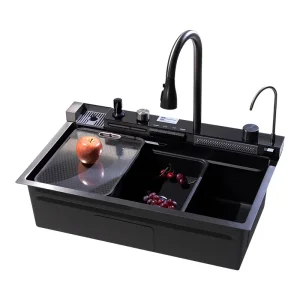
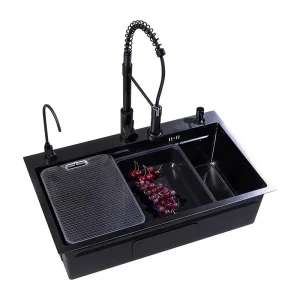
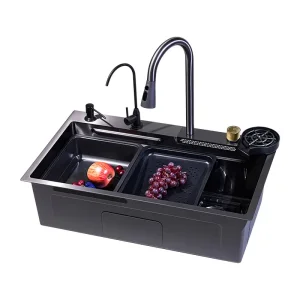
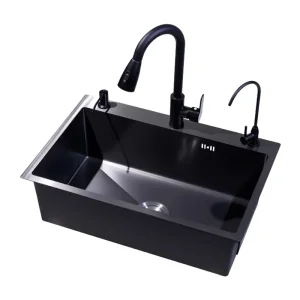
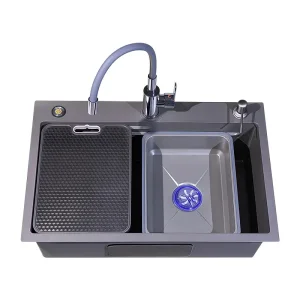
Engineered for urban space efficiency and high-end aesthetics

Our business is not only spread across various domestic platforms and markets, but also involves cross-border and multi-party trade fields. Currently, we cooperate with countries all over the world and have thousands of overseas buyers, with a specific focus on the high-standard requirements of the Tokyo Metropolitan market.
Plant Area (sqm)
Production Experts
R&D Personnel
Design Innovators
Analysis of Industrial Sourcing and Manufacturing Standards for 2024-2030
Tokyo's commercial real estate is defined by its density and high turnover. Whether in the Michelin-starred kitchens of Ginza or the high-traffic ramen shops of Shinjuku, the demand for "Information Gain" in sink design is paramount. Sinks are no longer mere vessels; they are integrated workstations. In Tokyo, 304 and 316-grade stainless steel are the baseline, but the semantic shift is moving toward antimicrobial coatings and sound-dampening technology to accommodate the quiet, efficient environment required in Japanese hospitality.
The global sink industry is witnessing a pivot toward PVD (Physical Vapor Deposition) colored sinks. For the Tokyo market, where interior design often blends traditional "Wabi-sabi" with modern minimalism, colors like "Titanium Black," "Rose Gold," and "Brushed Brass" are seeing a 140% increase in year-over-year procurement inquiries. Our factory leverages nano-coating technology to ensure these aesthetic finishes meet the rigorous scratch-resistance standards required by commercial contractors.
Procuring for the Tokyo market involves navigating specific regulatory and logistics hurdles. Shipping into the Port of Tokyo or Port of Yokohama requires a supplier who understands JIS (Japanese Industrial Standards). Our "Total Solution" includes rigorous quality control checkpoints that align with Japanese "Kaizen" principles—ensuring zero-defect delivery for mass production orders.
Looking toward 2030, our technical roadmap includes:
From ID Design to Mass Production for the Japan Market

ID Design

3D Modeling

Real Mold

Confirmation

Modification

Testing

Production
Meeting the diverse needs of the Japanese archipelago from our high-capacity factory
Expert insights for Tokyo-based buyers and contractors
Join over 1,000 global buyers who trust our factory for precision and reliability.
Send Inquiry Now YiGeng